
🐶❤️🐶 What are some signs your dog is hurting when they walk? 🐶❤️🐶
In today's issue:
-Meet our dog of the day
-Enjoy a laugh with our dog meme of the day
-Get great information in our featured article
-Take our action of the week
-Check out our family photo of the day
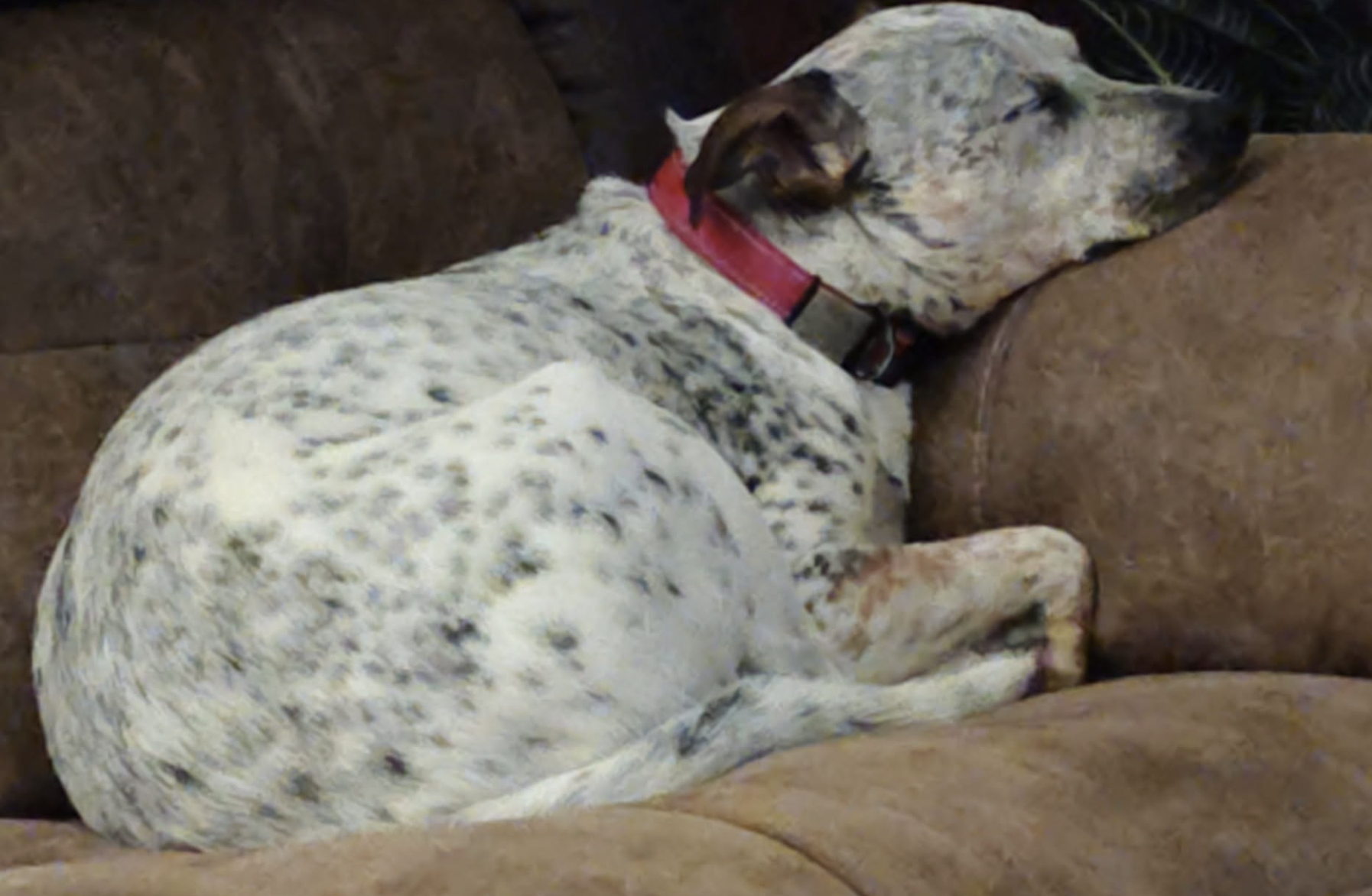
Dog(s) of the Day: Poppy
Want your pup to be featured here?
Join our Facebook group - Post Your Pooch!
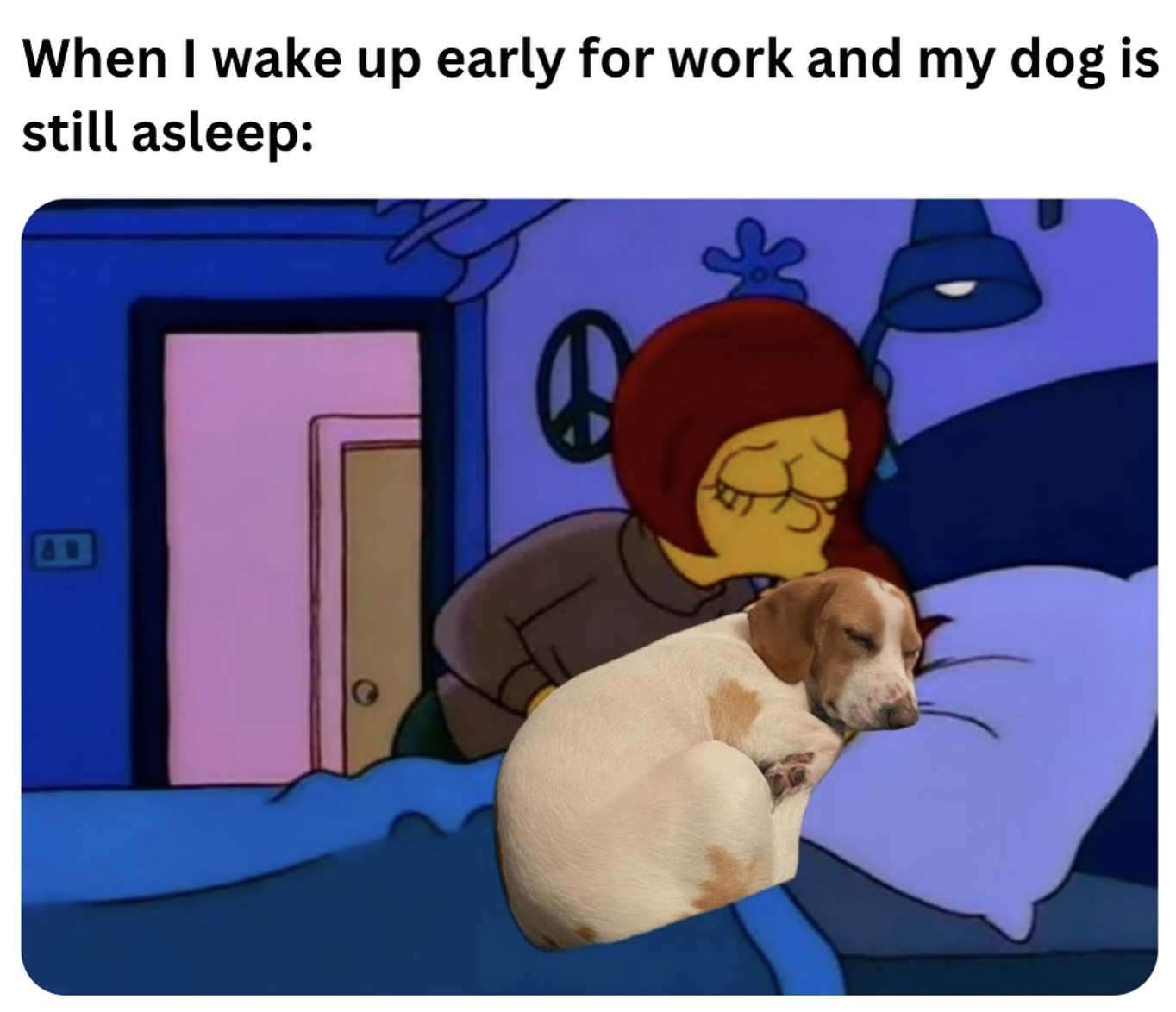
Meme of the day: Every day!
These Are The Rolls-Royce Of Hearing Aids (And Under $100)
Shoppers are going nuts over these low-cost hearing aids that are virtually invisible. Discover how these affordable hearing aids are changing the lives of people every day.
How to Spot the Subtle Signs Your Dog is Walking in Pain
Few things match the simple joy of grabbing the leash and heading out the door with your dog. It’s their favorite time of day, a sensory adventure filled with fresh air and neighborhood news. Because our dogs are always so eager to please and easily thrilled by the prospect of a walk, they often mask their physical discomfort with pure enthusiasm.
Dogs are evolutionary masters at hiding pain—an old survival instinct to keep them from looking vulnerable. As their caretakers, it’s up to us to look past the wagging tail and learn to read the subtle changes in their movement.
By tuning into their posture, pace, and rhythm, you can spot discomfort early and ensure your companion stays comfortable for years to come.

The Tale-Tell Shift in Rhythm
We all know our dog’s usual stride, whether it’s a confident strut, a joyful bounce, or a steady jog. When a dog experiences discomfort, the very first thing that changes is the evenness of that rhythm.
- The "Head Bob": When a dog has pain in a front leg, they will often lower their head when stepping on the healthy leg and raise it up sharply when the painful paw touches the ground to take weight off it.
- The Hip Hike: For back-leg pain, you might notice one side of their hip tilting or hitching upward more than the other as they try to limit the impact on a sore joint.
- The "Bunny Hop": If both hind legs or hips are stiff, a dog might skip the alternating step altogether and move both back legs forward at the exact same time, resembling a gentle hop.
Changes in Body Language and Posture
Sometimes the clues aren't in how they move a specific limb, but in how they carry their entire body. Walking requires a coordinated effort from the nose to the tip of the tail, and a sore spot anywhere alters the whole picture.
Look closely for these postural shifts while you are out together:
- The Arched Back: A tucked abdomen or a hunched spine often indicates compensatory posture—meaning they are shifting weight forward to relieve pressure on aching hips or knees, or dealing with spinal discomfort.
- The Low Tail Carriage: A tail that is carried significantly lower than their normal baseline, or held tightly between the legs while moving, can be a clear sign of physical distress.
- The "Stiff" Neck: If a dog is reluctant to turn their head left or right to sniff their favorite spots, or keeps their nose strictly glued to the ground without lifting it, they may be experiencing neck or upper back stiffness.
Behavioral Clues Along the Path
Pain changes behavior. If a walk starts to feel less like a reward and more like a chore, your dog will let you know through small choices they make along the route.
| Behavioral Sign | What It Looks Like | Potential Meaning |
| Lagging Behind | Walking a step or two behind you instead of leading or keeping pace. | Fatigue from managing joint pain or early arthritis exertion. |
| Frequent Sitting | Stopping to sit or lie down repeatedly mid-walk, especially on grass. | Relief from weight-bearing stress; an explicit request to rest. |
| Hesitation at Curbs | Pausing, tracking, or whining before stepping up or down from a curb. | Sharp impact pain in the elbows, shoulders, or wrists. |
| Excessive Panting | Heavy panting on a cool day when the exercise isn't strenuous. | A direct physiological reaction to acute or throbbing discomfort. |
Keeping the Stride Joyful
If you notice these subtle shifts, don't panic. Chronic conditions like osteoarthritis or minor soft-tissue strains are incredibly manageable with modern veterinary care.
Take a quick, 30-second video of your dog walking on a flat surface from both the side and behind. Sharing this footage with your veterinarian provides them with invaluable diagnostic insights that a dog might hide once the adrenaline of a clinic visit kicks in. Protecting their stride ensures those daily adventures remain the best part of their day.
|
|
Take action for animals!
Let's help pet parents!

Dog Food and Supplement Recalls
Here are the recent recalls and advisories:
- Steve's Real Food - Freeze Dried Chicken Recipe Cat and Dog Food: Possible Low Thiamine Levels (B1)
- Raaw Energy - Dog Food: Potential Listeria Contamination
- Albright's Raw Pet Food - Chicken Recipe for Dogs: Potential Salmonella
Exposure
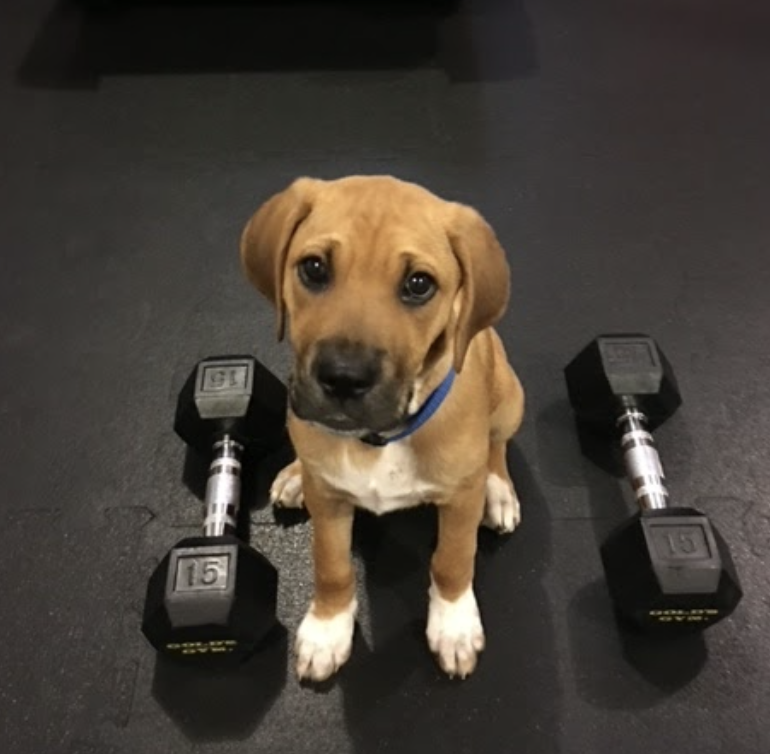
Family Photo of the Day: Ariel!
Want to help find lost pets?
Download our RoverAlert app to receive notifications of missing pets in your area.
We want to feature your pup!
We want to share your pup with our pack. Email us your favorite doggy pic or video with your pup’s name, and we'll try to feature it as a family photo in one of our upcoming newsletters or on our Facebook page.
|
|