
🐶❤️🐶 Is hyperpigmentation common in senior dogs? 🐶❤️🐶
In today's issue:
-Meet our dog of the day
-Enjoy a laugh with our dog meme of the day
-Get great information in our featured article
-Take our action of the week
-Check out our family photo of the day
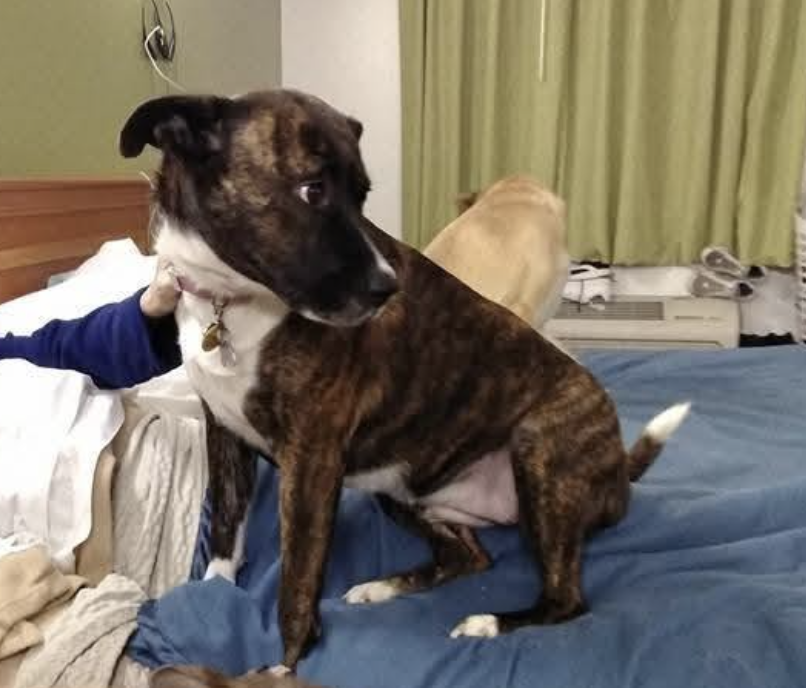
Dog(s) of the Day: Hope!
Want your pup to be featured here?
Join our Facebook group - Post Your Pooch!
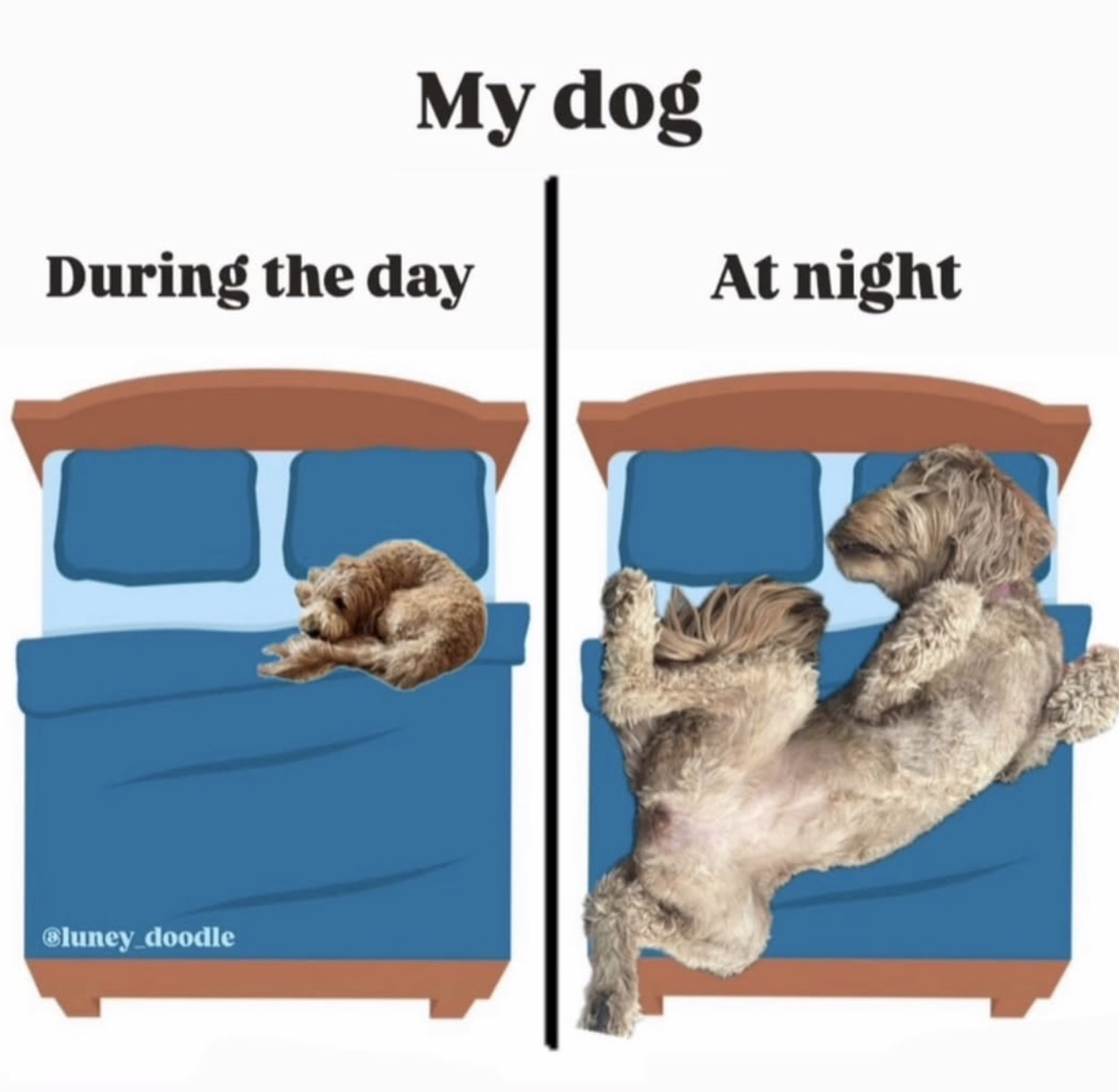
Meme of the day: Daily!
Getting a Passport Shouldn’t Be Complicated
RSVP Passports makes the entire process easy, from selecting the right service to submitting error-free documents and getting your passport delivered fast. No long forms. No confusing steps. No stress.
Is Hyperpigmentation Common in Senior Dogs?
As our beloved canine companions transition into their golden years, we expect to see a few hallmark signs of aging. The frosty silver muzzle, a slightly slower pace on morning walks, and longer afternoon naps are all sweet reminders of a life well-lived. But sometimes, aging brings surprises that can cause a pet parent to pause—like noticing that the skin on your senior dog’s belly, groin, or armpits has turned a deep charcoal gray or black.
If you have recently discovered these dark patches while giving your older dog a well-deserved belly rub, you might be wondering if it is just a normal part of growing old.
The short answer? Yes, skin color changes—known medically as hyperpigmentation—are incredibly common in senior dogs. However, while the hyperpigmentation itself isn't dangerous, the reason why it is happening usually requires a little investigation.

What Exactly is Hyperpigmentation?
Hyperpigmentation is not a standalone disease; rather, it is a physiological reaction. Just like humans, a dog’s skin color is determined by melanin (pigment). When a dog’s skin faces long-term irritation, hormonal shifts, or physical friction, the body protects itself by ramping up melanin production and thickening the skin. This results in smooth or slightly velvety, light-brown-to-black patches.
In older dogs, we occasionally see benign, age-related pigment changes in areas where the fur is thin. If the skin feels perfectly normal, isn't flaky, and your dog isn't scratching at it, it may just be the canine equivalent of age spots.
More often than not, however, hyperpigmentation in senior dogs is secondary, meaning it is a visual footprint left behind by a hidden underlying condition.
Why Senior Pups Are Prone to Darkening Skin
As dogs age, their bodies change, making them more susceptible to the specific triggers that cause skin to darken. Here are the primary culprits behind a senior dog's changing spots:
The Legacy of Chronic Allergies and Friction
If your dog has spent years battling environmental allergies or food sensitivities, their skin has endured a lot of micro-trauma from licking, scratching, and chewing. Over time, that chronic inflammation permanently alters the skin. Furthermore, older dogs who carry a little extra weight or have changes in their posture can experience increased skin-on-skin friction in their armpits and groin, triggering a protective darkening response.
Hormonal Shifts (Endocrine Disorders)
The golden years frequently bring changes to a dog's metabolic and endocrine systems. Two very common conditions in senior dogs directly cause hyperpigmentation:
- Hypothyroidism: When an aging thyroid gland underproduces vital hormones, it often leads to hair loss, weight gain, and systemic skin changes, including hyperpigmentation.
- Cushing’s Disease (Hyperadrenocorticism): Common in middle-aged and older dogs, this condition causes an overproduction of cortisol. It can make a dog's skin fragile, thin, and prone to developing dark, symmetrical splotches.
Lingering Yeast and Bacterial Infections
An older immune system isn't always as sharp as a puppy's. Senior dogs are more prone to low-grade, chronic skin infections—particularly yeast (Malassezia) and bacterial pyoderma. When the skin spends weeks or months fighting off these microscopic invaders, it often responds by turning a rough, elephant-like gray or black.
When to See the Vet (and What to Expect)
Because hyperpigmentation is a secondary reaction, a quick trip to the veterinarian is always the smartest move to ensure your senior pup stays comfortable.
The Golden Rule of Senior Skin Changes: If the dark skin is accompanied by intense itching, a foul or musty odor, hair loss, crusting, or if you see a single, raised, darkly pigmented lump, schedule a veterinary visit right away.
Your vet will likely perform a few simple, painless tests, such as a skin scraping or a tape impression smear, to look for mites, yeast, or bacteria under a microscope. If they suspect a hormonal imbalance like Cushing's or hypothyroidism, a routine blood test can provide clear answers.
Helping Your Golden Oldie Feel Their Best
The wonderful news is that while hyperpigmentation itself can take weeks or even months to fade, the underlying conditions are highly manageable.
| Common Trigger | Typical Senior Management Plan |
| Bacterial & Yeast Infections | Medicated antimicrobial shampoos (used 2–3 times a week) and targeted oral treatments. |
| Hormonal Imbalances | Daily, life-long oral medications that restore thyroid or adrenal harmony, bringing back their youthful energy. |
| Allergies & Inflammation | Modern allergy-relief medications, omega-3 fatty acid supplements to support the skin barrier, and a high-quality diet. |
Seeing your senior dog's skin change color can certainly be startling, but it is simply their body's way of sending a message. With a little veterinary teamwork and some extra TLC, you can easily manage the root cause, keeping your silver-muzzled best friend happy, comfortable, and beautifully unique throughout their sunset years.
|
|
Take action for animals!
Investigate what happened to these animals!
*Petition description may be disturbing

Dog Food and Supplement Recalls
Here are the recent recalls and advisories:
- Raaw Energy - Dog Food: Potential Listeria Contamination
- Albright's Raw Pet Food - Chicken Recipe for Dogs: Potential Salmonella
Exposure
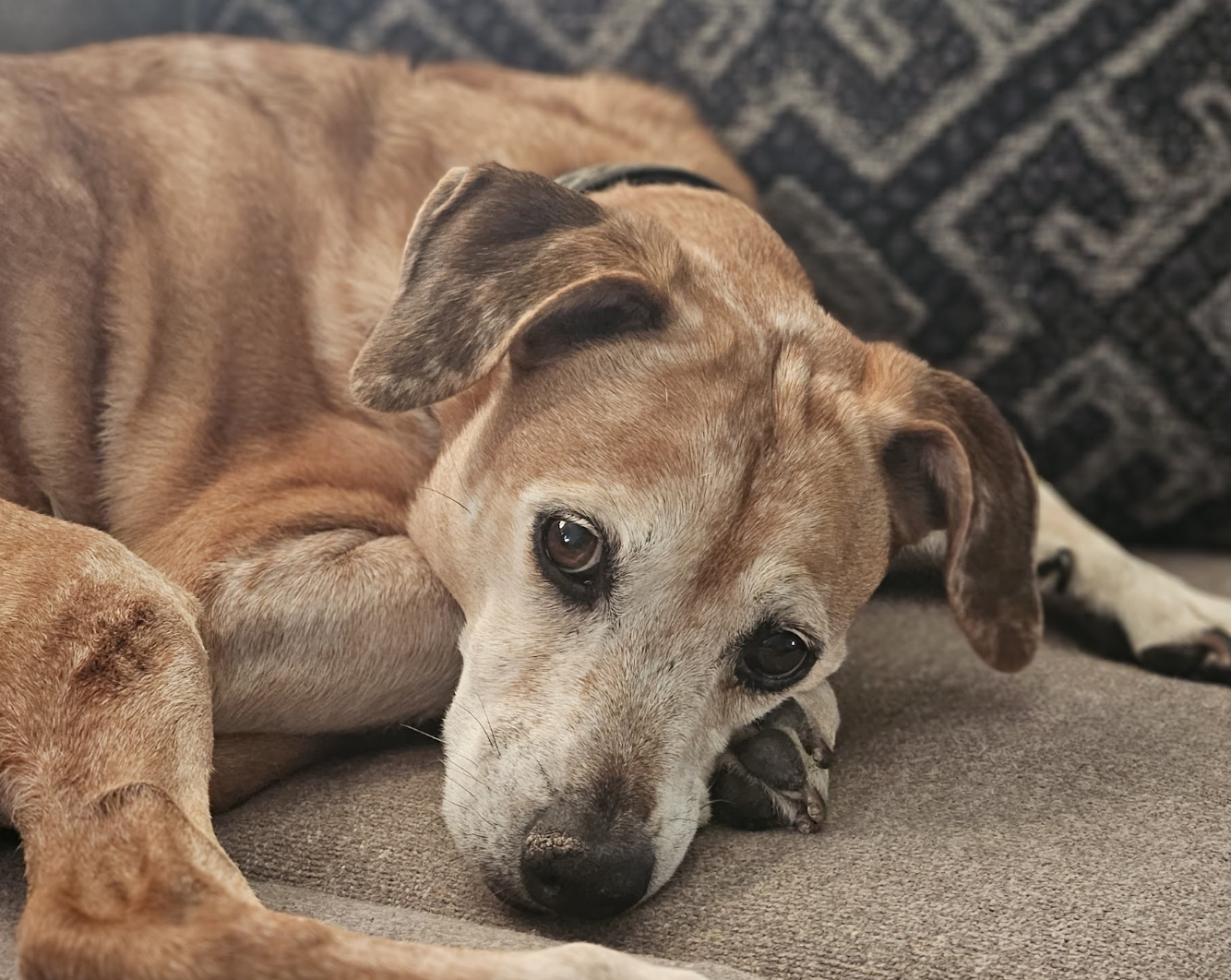
Family Photo of the Day: Doc!
Want to help find lost pets?
Download our RoverAlert app to receive notifications of missing pets in your area.
We want to feature your pup!
We want to share your pup with our pack. Email us your favorite doggy pic or video with your pup’s name, and we'll try to feature it as a family photo in one of our upcoming newsletters or on our Facebook page.
|
|