
🐶❤️🐶 What is the peak season for animal shelter intake? 🐶❤️🐶
In today's issue:
-Meet our dog of the day
-Enjoy a laugh with our dog meme of the day
-Get great information in our featured article
-Take our action of the week
-Check out our family photo of the day
Dog(s) of the Day:

Want your pup to be featured here?
Join our Facebook group - Post Your Pooch!
Meme of the day: Gotta help us, pal!

These Are The Rolls-Royce Of Hearing Aids (And Under $100)
Shoppers are going nuts over these low-cost hearing aids that are virtually invisible. Discover how these affordable hearing aids are changing the lives of people every day.
Understanding Shelter Peak Season and How to Help
When the weather warms up, our calendars fill up with beach trips, backyard barbecues, and outdoor adventures. But inside animal shelters across the country, summer marks the beginning of a different kind of season: peak season.
While winter brings a quiet lull, the warmer months bring a massive influx of animals. Understanding why this happens—and how the community can step in—makes all the difference for shelters working hard to save lives.

Why Do Shelters Fill Up in the Summer?
"Peak season" generally spans from late spring through the end of summer. During these months, animal control and local rescues experience a sharp rise in intakes due to a few predictable, seasonal factors.
"Kitten Season" Arrives
Cats are seasonal breeders, and as the days grow longer and warmer, their reproductive cycles kick into high gear. This period, affectionately but exhaustingly known as kitten season, results in thousands of newborn litters arriving at shelters simultaneously. Because these tiny kittens require round-the-clock care and cannot stay in a standard shelter environment until they are older, they put an immense strain on resources and foster networks.
More Free-Roaming Animals
When the weather is pleasant, both people and pets spend more time outdoors. Doors and gates are left open more frequently, and pets find extra opportunities to wander off. Furthermore, stray dog populations are more active, leading to an increase in Good Samaritans bringing lost or displaced animals to shelter doors.
Increased Moving and Travel
Summer is the most common time of year for residential moves. Unfortunately, housing barriers—such as strict landlord pet policies or steep pet deposits—force many families to make the heartbreaking decision to surrender their pets. Additionally, when owners travel for summer vacations, older or sick pets are sometimes surrendered if care cannot be arranged.
How You Can Lend a Hand
When shelters hit capacity, it takes a community-wide effort to ease the pressure. Fortunately, there are many ways to support local rescues that fit different schedules, spaces, and budgets.
- Become a Short-Term Foster: Fostering is the single most effective way to open up a kennel for another animal in need. Even taking a dog for a weekend "staycation" or housing a litter of kittens for a few weeks gives shelter staff breathing room and provides valuable data on how the animal behaves in a home environment.
- Volunteer Your Time: Shelters need help keeping up with daily operations when populations surge. This can include walking dogs, cleaning kennels, socializing cats, assisting at adoption events, or helping with administrative tasks.
- Donate Wishlist Items: Peak season means supplies disappear fast. Shelters constantly run through high-value items like kitten milk replacer (KMR), wet food, peanut butter, sturdy toys, old towels, and cleaning supplies. Check your local shelter’s online registry to see exactly what they need.
- Adopt If You're Ready: If you have been waiting for the right time to add a furry member to your family, summer is the time to do it. Many shelters waive or reduce adoption fees during peak season to help animals find homes faster.
Before you bring a stray to the shelter: If you find a healthy, friendly dog or cat roaming your neighborhood, try searching for the owner locally first. Walk the pet around the block, post on community social media pages, and have a local vet scan them for a microchip. Keeping them in the neighborhood often reunites them with their family faster than bringing them to an already crowded facility.
Every small action contributes to a larger safety net for vulnerable animals. By opening your heart, your home, or simply donating a bag of food, you can help your local shelter navigate the summer squeeze safely.
|
|
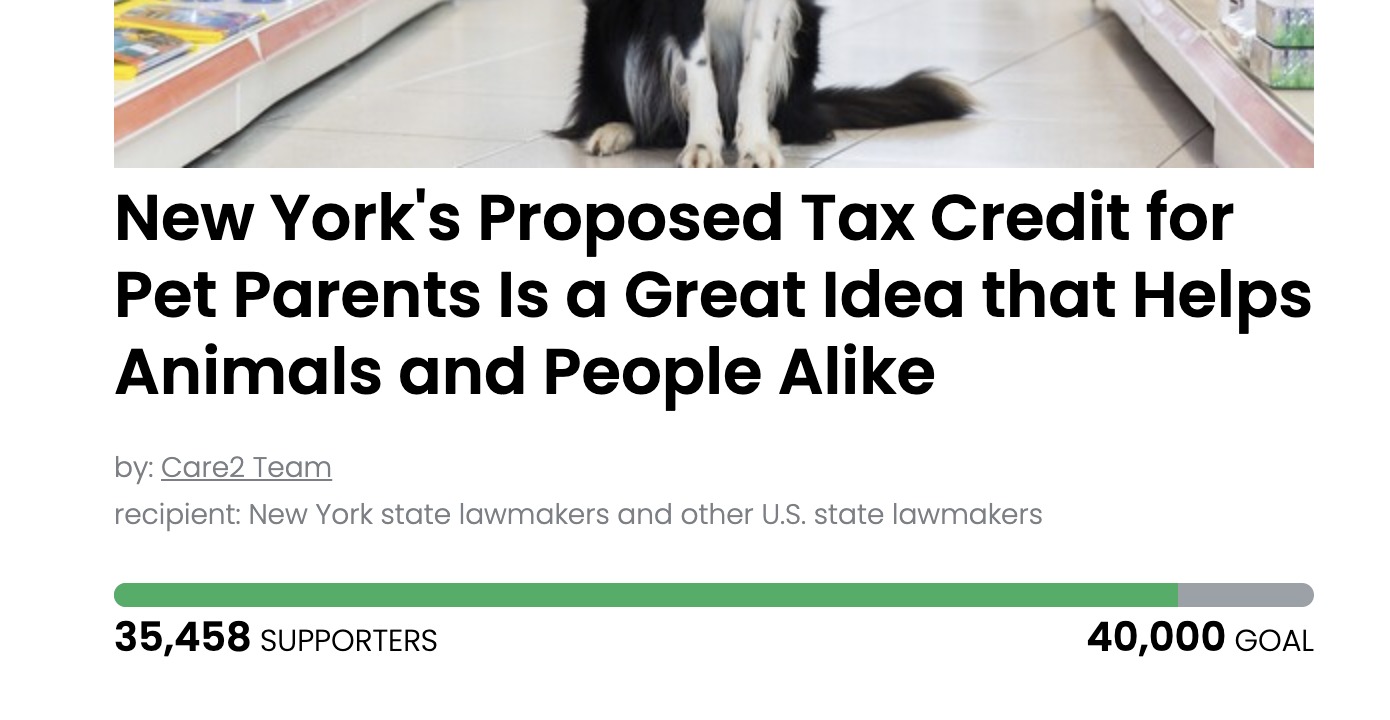
Take action for animals!
Let's help pet parents!
Dog Food and Supplement Recalls
Here are the recent recalls and advisories:
- Steve's Real Food - Freeze Dried Chicken Recipe Cat and Dog Food: Possible Low Thiamine Levels (B1)
- Raaw Energy - Dog Food: Potential Listeria Contamination
- Albright's Raw Pet Food - Chicken Recipe for Dogs: Potential Salmonella
Exposure
Family Photo of the Day: Manny!

Want to help find lost pets?
Download our RoverAlert app to receive notifications of missing pets in your area.
We want to feature your pup!
We want to share your pup with our pack. Email us your favorite doggy pic or video with your pup’s name, and we'll try to feature it as a family photo in one of our upcoming newsletters or on our Facebook page.
|
|