
🐶❤️🐶 Why do we give our pets so many nicknames? 🐶❤️🐶
In today's issue:
-Meet our dog of the day
-Enjoy a laugh with our dog meme of the day
-Get great information in our featured article
-Take our action of the week
-Check out our family photo of the day
Dog(s) of the Day:
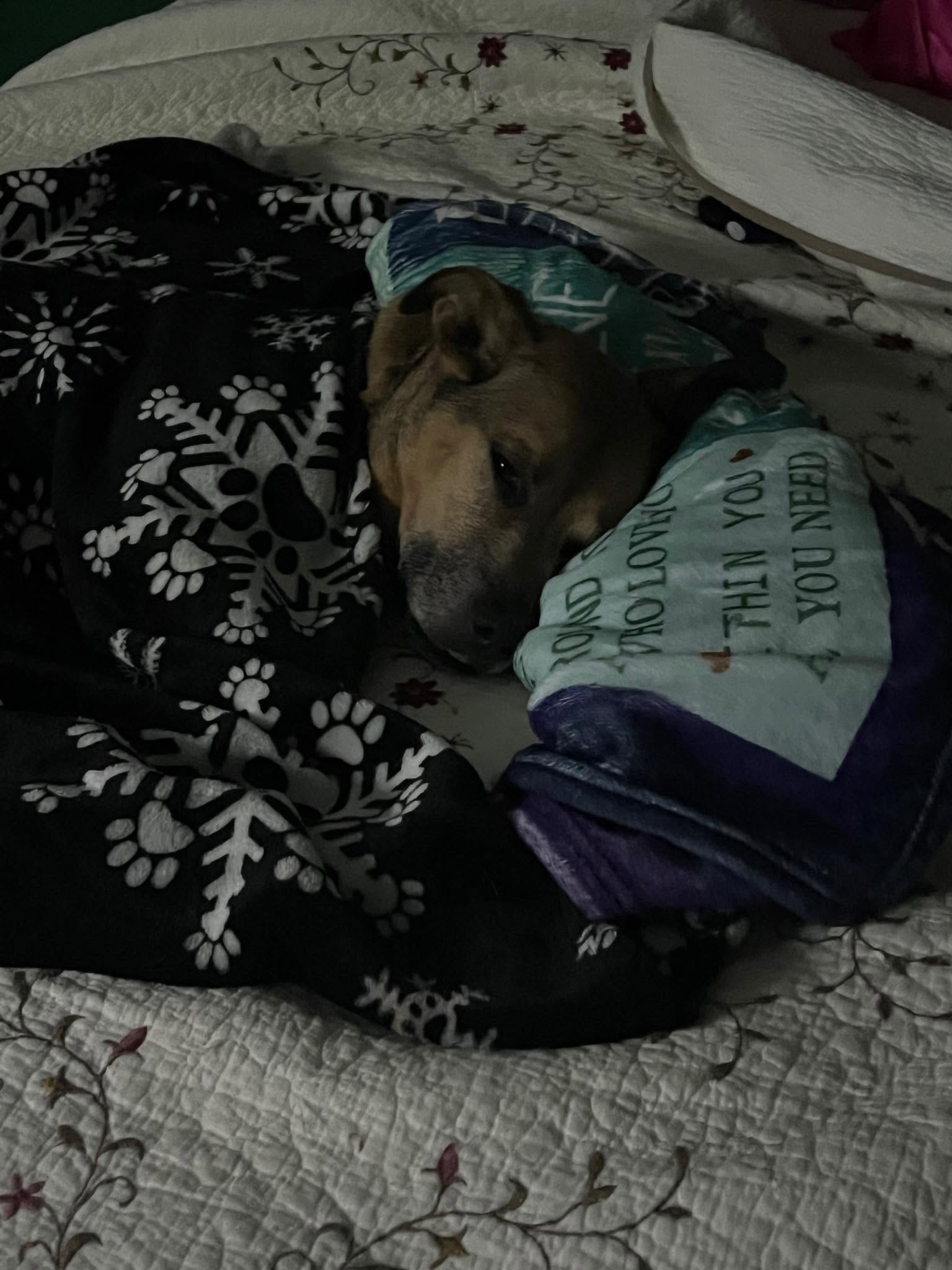
Want your pup to be featured here?
Join our Facebook group - Post Your Pooch!
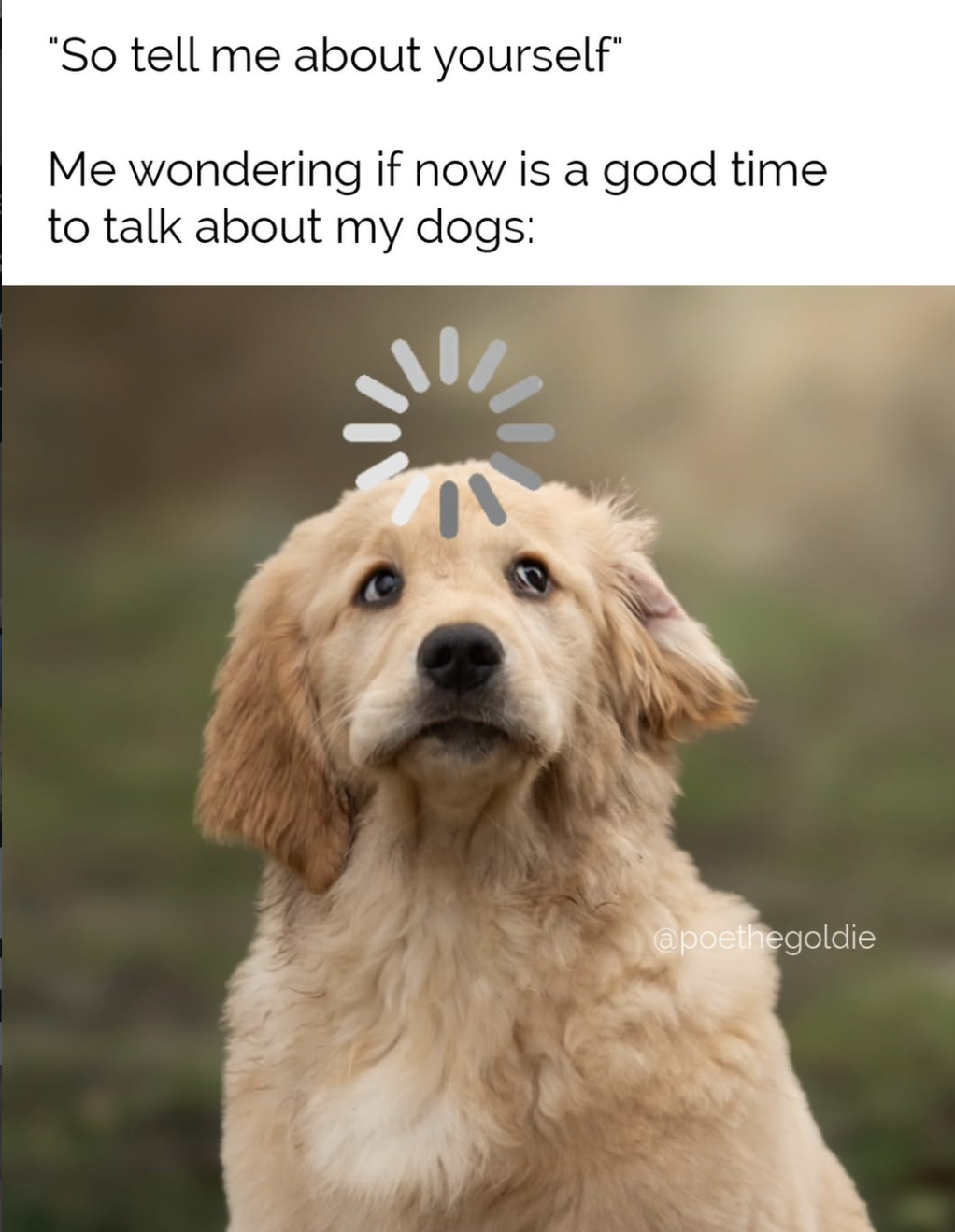
Meme of the day: All the time!
Say Goodbye to Boring Coffee
Like many, my mornings started with bland grocery store coffee.
Then Trade changed everything by connecting me with a curated selection of roasts perfectly matched to my tastes, crafted by passionate small-batch roasters.
I took a quick quiz, and now I enjoy unique, freshly roasted coffees delivered straight to my door.
Not only do they taste better than what I was buying before, but supporting local artisans makes me feel great about the money I’m spending on coffee each week.
Plus, Trade is offering I Love Every Dog readers up to 30% off their first month's subscription when you sign up today. Trust us, you deserve the upgrade. Our only regret—not finding them sooner!
Take the quiz and find your perfect roast today.
From "Bella" to "Bootsie-Boo": The Delightful Linguistics Behind Our Pets' Nicknames
If you have a pet, there is a very high probability that their official name—the one written on their vet records—is rarely the name they actually hear at home.
You might adopt a dignified golden retriever named Winston, but within three months, he is almost exclusively addressed as "Winny," "Silly Goose," "Mr. Fluff-Butt," or simply "The Baby."
This universal human habit of discarding perfectly good pet names in favor of an ever-evolving catalogue of silly, sweet, and downright bizarre nicknames isn't just mindless baby talk. It turns out, there is a fascinating mix of psychology, evolutionary history, and linguistics happening right on our living room rugs.

The Power of the "Hypocoristic"
In the study of language, nicknames fall under the umbrella of hypocoristics—a fancy linguistic term for pet names or diminutives. Humans are hardwired to modify language to signal closeness. When we use shortened forms, add an "-ie" or "-y" sound to the end of a word (like turning "dog" into "doggy"), or change vowels to make words sound "smaller," we are participating in an ancient bonding ritual.
Linguists note that the ways we talk to our pets heavily mimic infant-directed speech (often called "motherese" or baby talk). This language features a higher pitch, exaggerated intonation, and simplified sounds.
According to insights from National Geographic’s exploration into the linguistics of pet nicknames, this shift in how we speak isn't just for our own amusement. Pets—especially dogs—are remarkably attuned to our vocal frequencies. They respond far more enthusiastically to high-pitched, rhythmic sounds than to flat, monotone adult speech. When "Oliver" becomes "Ollie-Bear," the sound literally shifts into a frequency that captures your pet's attention and triggers a positive emotional response.
Why One Name is Never Enough
Why do we keep inventing more nicknames over time? Psychologists point to a few core reasons:
- Contextual Clues: Much like humans have different names based on social settings (your boss calls you "Robert," your friends call you "Bob," and your mom calls you "Bobby"), pets get different names based on their behavior. "Sir Flaps-a-Lot" might be the name used when a dog gets excited before a walk, while "The Destroyer" comes out when a puppy chews a shoe.
- The "Cuteness Feedback Loop": When we look at our pets, our brains release oxytocin (the bonding hormone). If a cat stares up at you with oversized eyes, your brain essentially overloads with affection, causing standard human language to break down into malleable, playful sounds.
- The Evolution of Names: Notice how your nicknames shift over time? They rarely stay static. A name like "Luna" drifts to "Lulu," which evolves into "Lulu-Bean," which eventually morphs into just "The Bean." Linguists track this as a natural progression of shared history; the nickname itself becomes a shorthand for years of inside jokes and shared affection between you and your animal companion.
A Badge of Belonging
Ultimately, giving a pet a nickname is an act of deep anthropomorphism—in the best way possible. By renaming them, we are pulling them out of the category of "domestic animal" and firmly cementing them as unique family members. We don't give silly, fluid nicknames to creatures we don't deeply love.
So the next time you find yourself calling your 90-pound rottweiler "Schmoopy-Poo" in a voice three octaves higher than your normal speaking tone, don't feel embarrassed. You're just speaking the universal, evolutionary language of unconditional love.
|
|
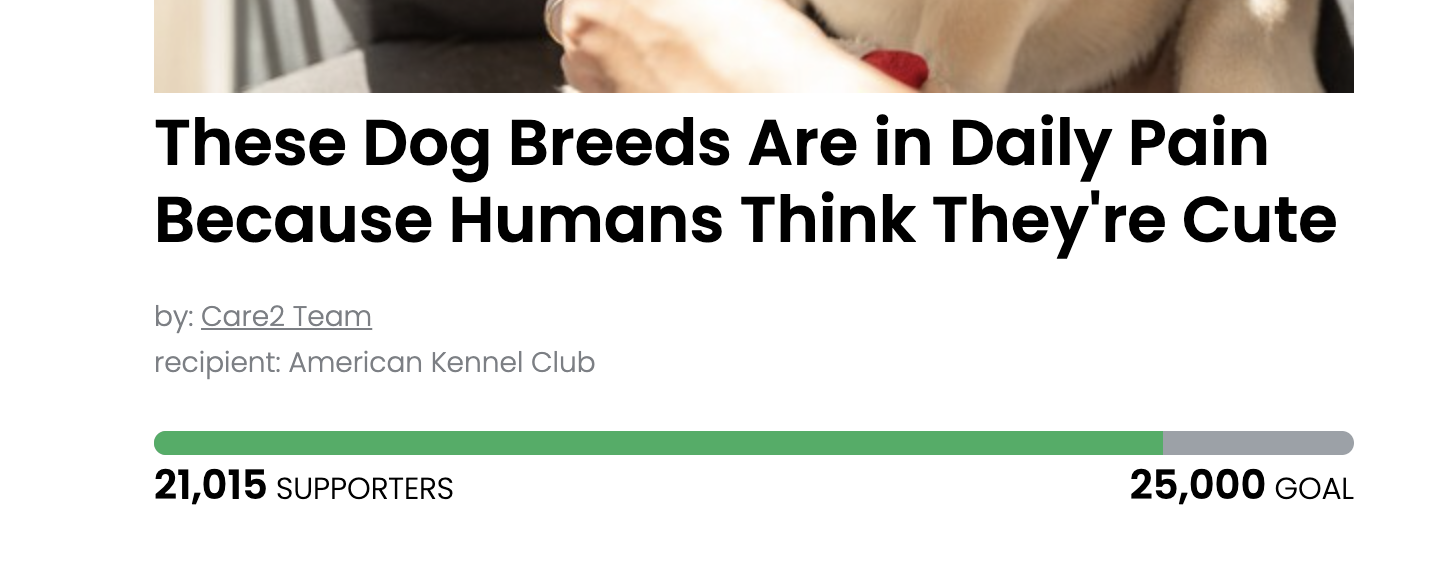
Take action for animals!
Stand up for responsible breeding!
*Petition description may be disturbing
Dog Food and Supplement Recalls
Here are the recent recalls and advisories:
- Raaw Energy - Dog Food: Potential Listeria Contamination
- Albright's Raw Pet Food - Chicken Recipe for Dogs: Potential Salmonella
Exposure
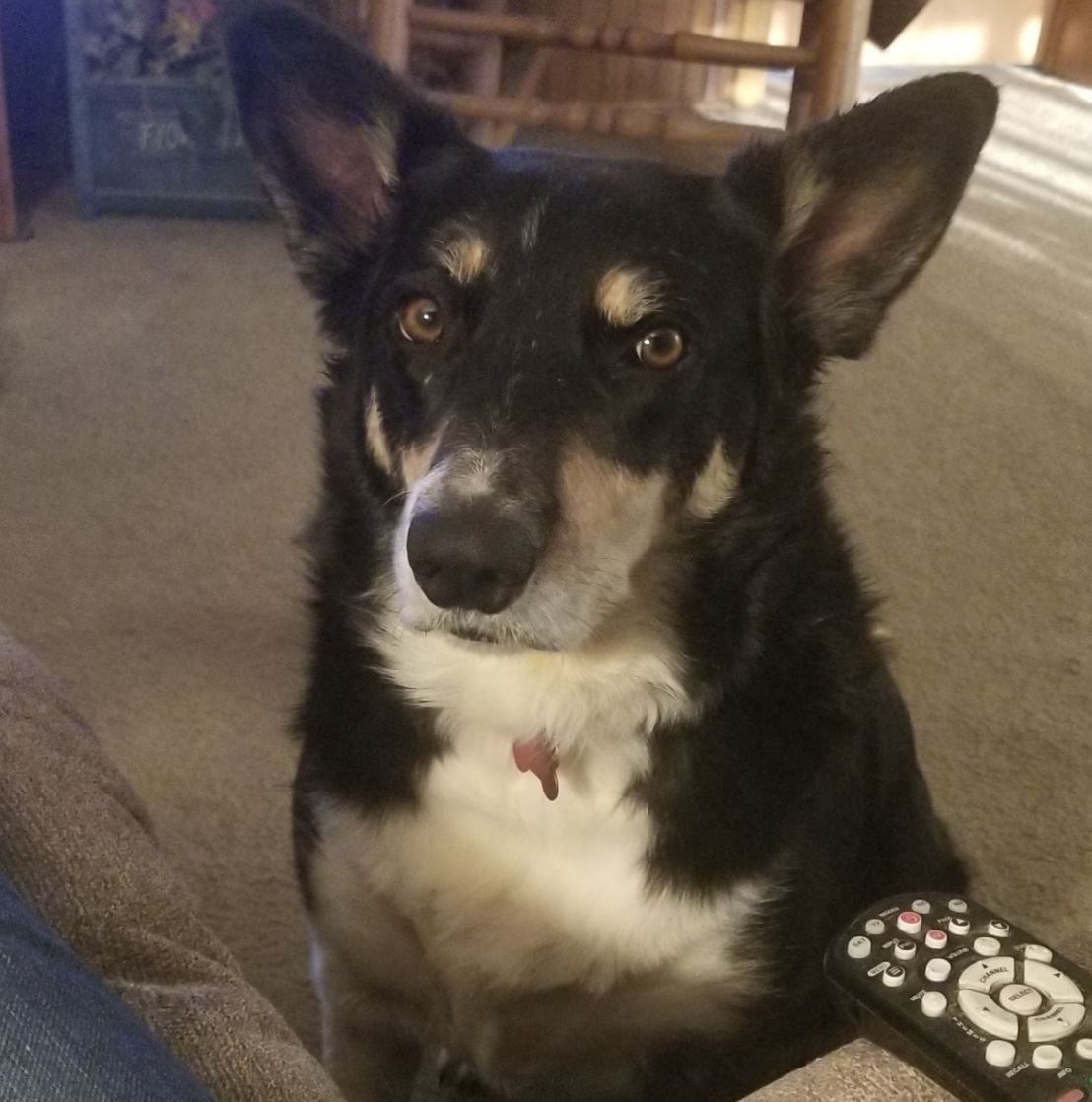
Family Photo of the Day: Case!
Want to help find lost pets?
Download our RoverAlert app to receive notifications of missing pets in your area.
We want to feature your pup!
We want to share your pup with our pack. Email us your favorite doggy pic or video with your pup’s name, and we'll try to feature it as a family photo in one of our upcoming newsletters or on our Facebook page.
|
|