
🐶❤️🐶 Why do dogs pee in their beds? 🐶❤️🐶
In today's issue:
-Meet our dog of the day
-Enjoy a laugh with our dog meme of the day
-Get great information in our featured article
-Take our action of the week
-Check out our family photo of the day
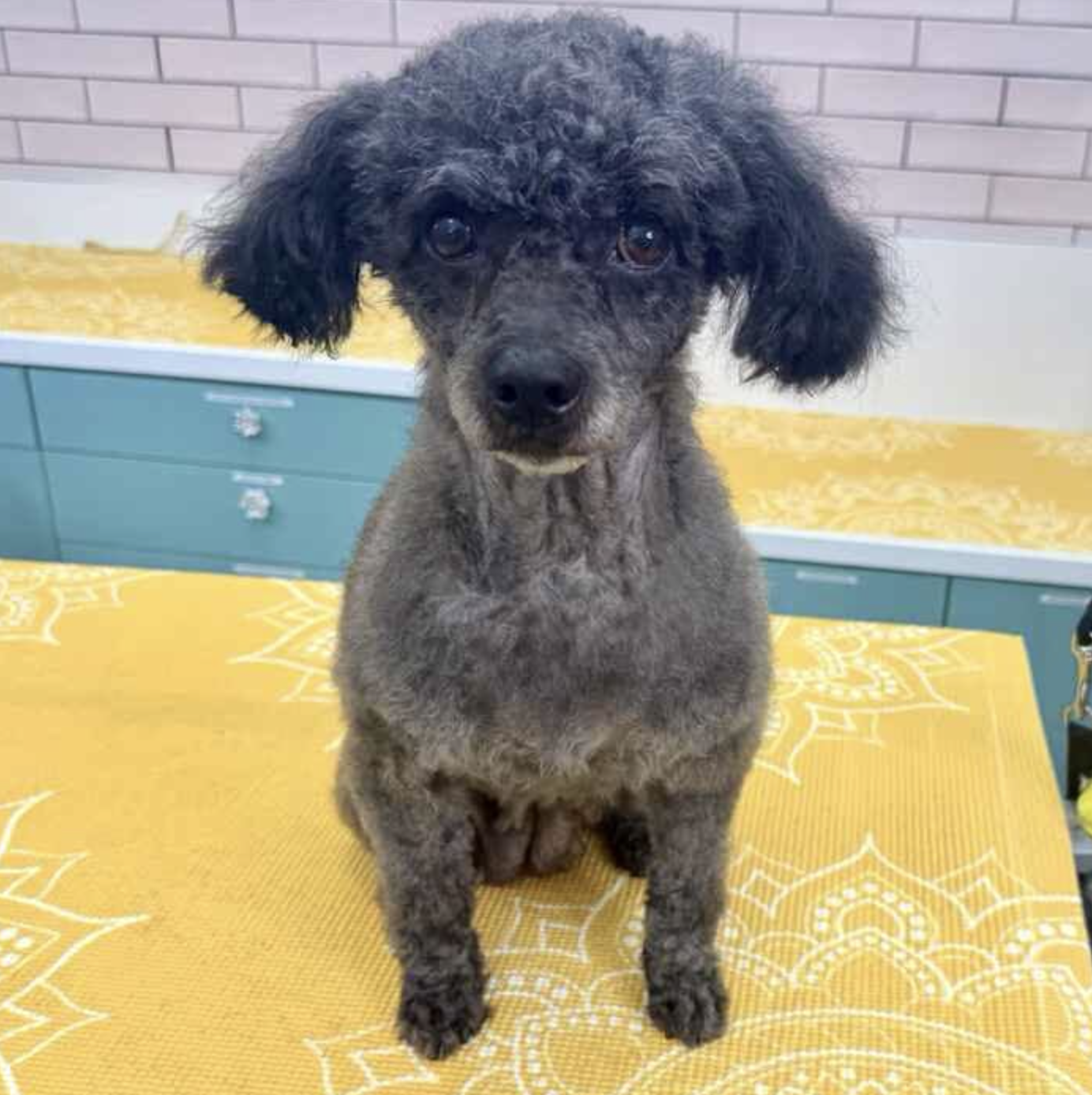
Adoptable Dog(s) of the Day: Lady!
Precious Lady is adoptable at Muttville Senior Dog Rescue in San Francisco, California.
Want your pup to be featured here?
Join our Facebook group - Post Your Pooch!
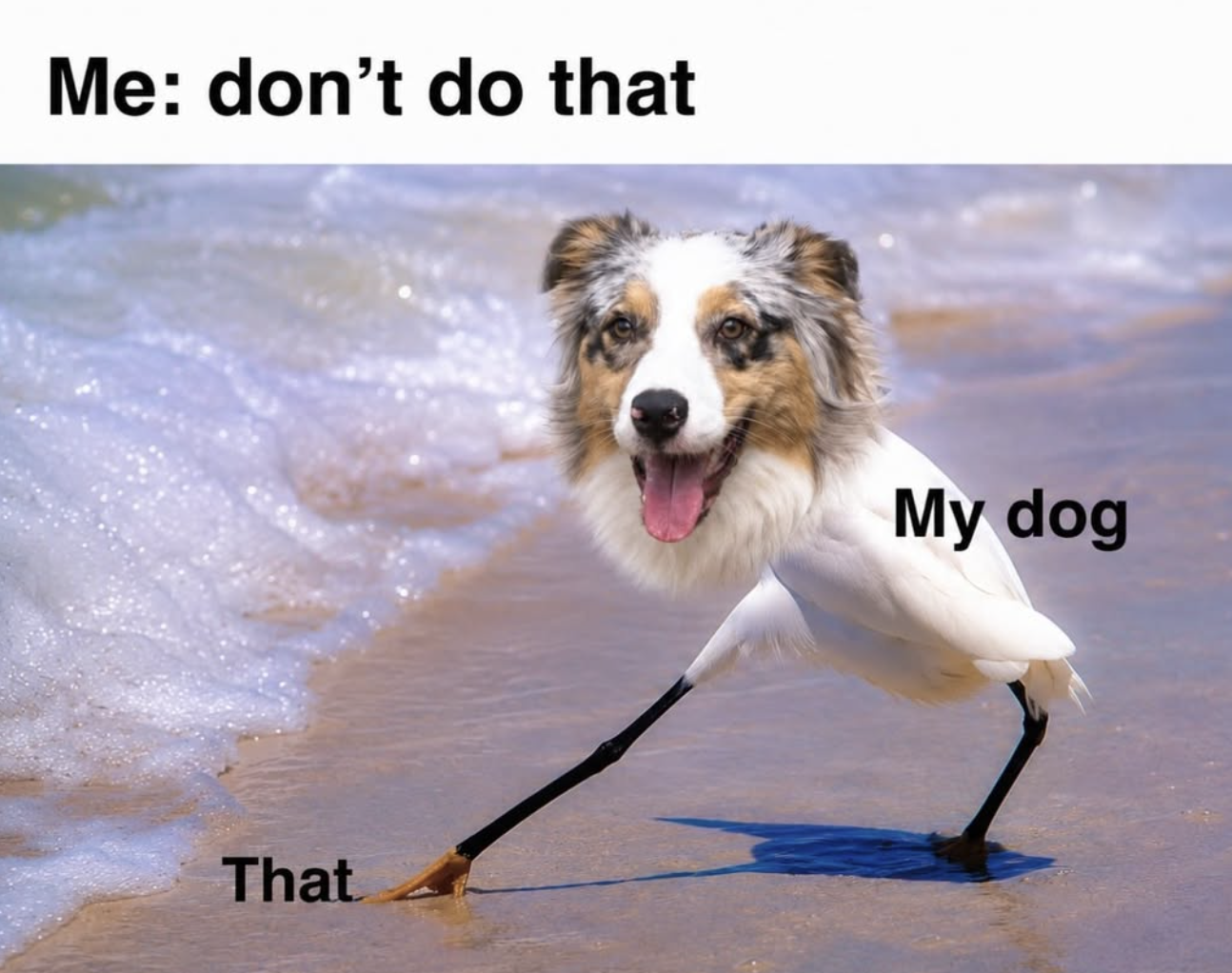
Meme of the day: So tall!
10 Weird Little Hacks Costco Shoppers Should Know
Do you shop at Costco? Then you know the thrill of saving money. But you might be missing other smart ways to stretch your dollars. Check out our list of genius money hacks—almost as good as that $1.50 hot dog!
Why Your Dog Is Peeing in Their Bed (And How to Fix It)
Finding a soaked pet bed is every dog owner’s least favorite surprise. Your first instinct might be frustration or confusion—after all, your pup is house-trained, so why on earth are they turning their favorite cozy sleeping spot into a bathroom?
Before you throw in the towel (or the dog bed), take a deep breath. Dogs naturally prefer to keep their sleeping area clean. If your furry friend is peeing where they sleep, it’s rarely an act of spite or bad behavior. Instead, it’s usually a cry for help or an involuntary slip-up.

Medical Causes: Rule These Out First
When a house-trained dog suddenly starts wetting the bed, the very first stop should always be the veterinarian. Several medical issues can cause a dog to lose control of their bladder, especially while resting.
- Urinary Tract Infections (UTIs): Just like humans, dogs can get painful UTIs that cause an overwhelming, sudden urge to urinate. They simply might not be able to hold it long enough to wake up and head outside.
- Hormonal Incontinence: Common in spayed females and older dogs, low hormone levels can weaken the urethral sphincter. The dog often sleeps right through the leak and wakes up surprised to find themselves wet.
- Kidney Disease or Diabetes: These conditions often cause increased thirst, leading to a much higher volume of urine that can easily overload a tired bladder.
- Arthritis and Joint Pain: Sometimes, getting out of a soft, deep bed is simply too painful for a senior pup. They may try to hold it to avoid moving, only to eventually lose control.
Emotional & Behavioral Triggers
If your vet gives your pup a clean bill of health, the next step is looking at their emotional environment. Dogs process stress in unique ways, and the bladder is often where that stress manifests.
- Anxiety and Stress: Big changes—like a move, a new baby, a new pet, or even a change in your work schedule—can throw your dog off balance. Accidents in secure spots (like their bed) can be a physical reaction to high anxiety.
- Submissive or Excitement Urination: While this usually happens during greetings or stressful interactions, a dog who feels intimidated or overly excited while in their bed might leak a small amount of urine.
- Cognitive Dysfunction: Older dogs can experience canine cognitive dysfunction (doggy dementia). This can disrupt their sleep-wake cycles and cause them to forget basic house training skills.
How to Handle It (With Kindness)
Dealing with soggy laundry isn't fun, but approaching the problem with patience and a game plan makes all the difference.
Clean Thoroughly with Enzymatic Cleaners
Standard household cleaners might mask the smell to human noses, but a dog’s sensitive snout will still detect the lingering scent, signaling to them that the bed is a designated "potty zone." Use a specialized enzymatic cleaner to fully break down the urine proteins.
Protect and Adapt
- Waterproof Covers: Wrap your dog's bed mattress in a waterproof cover or a fitted crib sheet to make cleanup painless.
- Increase Potty Breaks: Offer an extra potty break right before bedtime and immediately upon waking up.
- Adjust Water Intake (Carefully): Never restrict fresh water during the day, but discuss with your vet whether managing late-night drinking habits is appropriate for your pup.
Avoid Punishment
Never scold or punish your dog for bed-wetting. If it’s a medical issue, they literally couldn't help it. If it’s anxiety-related, punishment will only heighten their stress and make the problem worse. Keep your tone gentle and supportive.
The Bottom Line
A wet dog bed is a signpost, not a personality flaw. With a little vet detective work, some extra patience, and a good bottle of enzyme spray, you and your pup can put the bed-wetting blues behind you and get back to cozy, dry snuggles.
|
|
Take action for animals!
Stop the subsidizing of meat farms in the EU

Dog Food and Supplement Recalls
Here are the recent recalls and advisories:
- Pedigree - High Protein Chopped Chicken & Duck Flavor Wet Dog Food: Potential plastic contaminants
- Steve's Real Food - Freeze-Dried Chicken Recipe Cat and Dog Food: Possible Low Thiamine Levels (B1)
- Raaw Energy - Dog Food: Potential Listeria Contamination
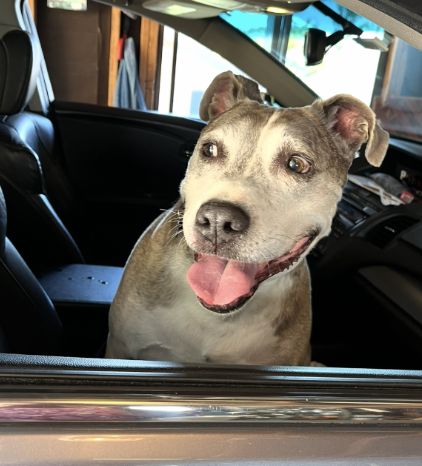
Family Photo of the Day: Rebar!
Want to help find lost pets?
Download our RoverAlert app to receive notifications of missing pets in your area.
We want to feature your pup!
We want to share your pup with our pack. Email us your favorite doggy pic or video with your pup’s name, and we'll try to feature it as a family photo in one of our upcoming newsletters or on our Facebook page.
|
|