
🐶❤️🐶 What to do if you find a tick on your dog 🐶❤️🐶
In today's issue:
-Meet our dog of the day
-Enjoy a laugh with our dog meme of the day
-Get great information in our featured article
-Take our action of the week
-Check out our family photo of the day
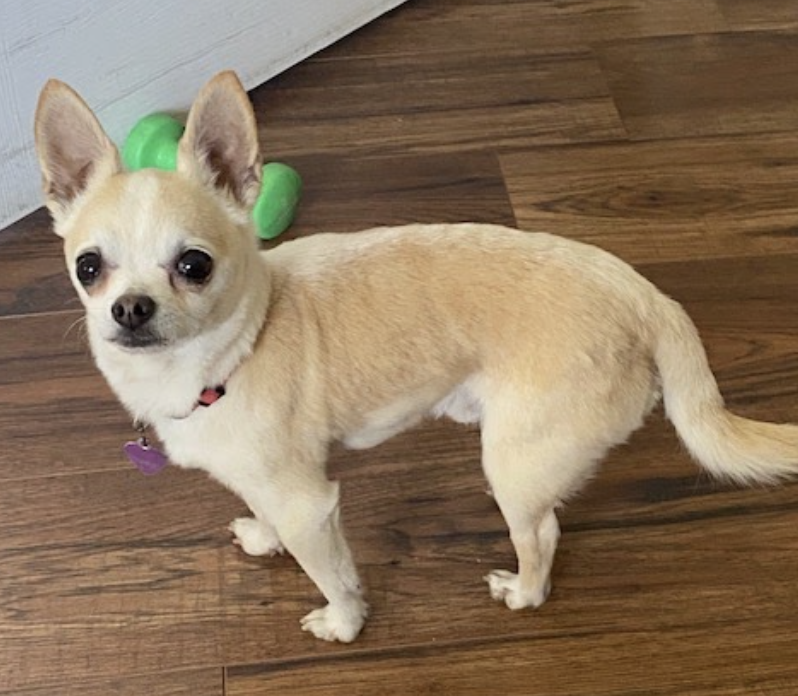
Adoptable Dog(s) of the Day: Cream Soda!
Adorable senior Cream Soda is adoptable from Muttville Senior Dog Rescue in San Francisco, California!

Want your pup to be featured here?
Join our Facebook group - Post Your Pooch!
Meme of the day: Their bark is big!

These Side Hustles Are Best For Older Workers Struggling On Just Social Security
Your 50s+ are a great time to build wealth. Beyond basics like bulk shopping and retirement accounts, here are some fresh ways to grow your money you might’ve missed
Step-by-Step Guide to Removing a Tick From Your Dog
It’s the moment every dog owner dreads: you’re running your hands through your pup’s fur for a cozy belly rub or post-walk cuddle, and your fingers hit a tiny, unusual bump. You part the hair, and there it is—an unwanted hitchhiker attached to your best friend.
It’s totally normal to feel an initial flash of grossed-out panic, but take a deep breath. Ticks are a common part of dog ownership, and safely removing one is straightforward once you know the right technique. Most tick-borne pathogens require 24 to 48 hours of attachment to transmit to a host, so catching it early works heavily in your favor.

Step 1: Gather Your Supplies First
Before you start poking around your dog’s fur, grab your gear so you aren't trying to hold a squirming pup with one hand while hunting for tools with the other.
- Fine-tipped tweezers or a specialized tick removal tool (like a Tick Twister)
- Rubbing alcohol or an antiseptic wipe
- Small sealable container or plastic baggie (with a piece of damp paper towel inside)
- Disinfectant wipes or soapy water for your hands
- High-value dog treats (peanut butter on a lick mat works wonders!)
Step 2: Extract the Tick Safely
Important: Skip the old wives' tales! Avoid burning the tick with a match, smothering it in petroleum jelly or nail polish, or twisting it abruptly. These methods stress the tick, causing it to regurgitate fluids back into your dog’s bloodstream, which increases the risk of infection.
- Keep your dog calm and distracted: 1-2 min.
Spread some peanut butter on a mat or have a family member feed your dog treats to keep them still and happy while you work.
- Grasp close to the skin: 30 seconds.
Part the fur clearly around the tick. Using your fine-tipped tweezers, grasp the tick as close to your dog’s skin surface as possible—right at its mouthparts.
- Pull straight up with steady pressure: 30 seconds.
Pull upward with steady, even pressure. Avoid twisting or jerking, as this can cause the mouthparts to break off and remain embedded in the skin.
- Clean the area and reward: 1 min.
Once removed, clean your dog's bite site with rubbing alcohol or gentle soap and water. Give your pup immediate praise and a reward for being such a good patient!
What If the Mouthparts Stay in the Skin?
If the tick’s mouthparts break off, don't worry—this is common! In most cases, your dog's body will naturally work the tiny remaining piece out like a splinter. Clean the area with antiseptic and keep an eye on it over the next few days. Do not dig aggressively into your dog's skin to extract it, as that creates a higher risk of introducing a bacterial infection.
Step 3: Dispose or Save for Identification
Don't crush the tick with your fingers. Instead, place the live tick into your small plastic baggie or sealed container.
Saving the tick in a container for a few weeks is a helpful trick: if your dog develops any unusual symptoms later, your veterinarian can test the saved specimen to identify the exact species and rule out specific diseases like Lyme, Anaplasmosis, or Ehrlichiosis.
What to Watch for in the Coming Weeks
Most tick bites leave a mild red bump that settles down after a couple of days, much like a mosquito bite. However, monitor your dog's behavior and physical health over the next 3 to 30 days.
| Sign to Monitor | What it Looks Like |
| Lethargy | Sudden loss of energy, reluctant to go on usual walks |
| Joint Stiffness or Lameness | Limping that may shift from one leg to another |
| Fever or Loss of Appetite | Skipping meals, feeling abnormally warm, warm dry nose |
| Swollen Lymph Nodes | Noticeable lumps under the neck or near joints |
If you notice any of these signs, give your veterinarian a call and let them know you recently removed a tick. Prompt treatment works exceptionally well for most tick-borne illnesses when caught early!
Pro Tip: Prevention remains your absolute best defense. Make sure your pup is up to date on an effective flea and tick preventative (whether oral chewables, topical treatments, or preventative collars) suited to your lifestyle and local environment.
|
|
Take action for animals!
Protect the critically endangered Rice's Whales!

Dog Food and Supplement Recalls
Here are the recent recalls and advisories:
- Pedigree - High Protein Chopped Chicken & Duck Flavor Wet Dog Food: Potential plastic contaminants
- Steve's Real Food - Freeze-Dried Chicken Recipe Cat and Dog Food: Possible Low Thiamine Levels (B1)
- Raaw Energy - Dog Food: Potential Listeria Contamination
Family Photo of the Day: Macho Man!
Want to help find lost pets?
Download our RoverAlert app to receive notifications of missing pets in your area.
We want to feature your pup!
We want to share your pup with our pack. Email us your favorite doggy pic or video with your pup’s name, and we'll try to feature it as a family photo in one of our upcoming newsletters or on our Facebook page.
|
|