
🐶❤️🐶 How to prevent Cyclosporiasis during the current produce outbreak 🐶❤️🐶
In today's issue:
-Meet our dog of the day
-Enjoy a laugh with our dog meme of the day
-Get great information in our featured article
-Take our action of the week
-Check out our family photo of the day
Dog(s) of the Day: Bella!

Want your pup to be featured here?
Join our Facebook group - Post Your Pooch!
Meme of the day: Ruh-roh!

No Appointment, No Doctor, Just Better Hearing for $100
Why are hearing aid stores furious?
Because Oricle Hearing Aids deliver the same crystal-clear sound as $5,000 prescription models for under $100.
Wireless charging. 20-hour battery life. No doctor visit required. Over 150,000 sold.
Limited-time discount before stock runs out.
Navigating the Summer Cyclospora Outbreak and Keeping Your Dog Safe
Summer is usually the season of fresh garden salads and sharing a juicy slice of fruit with your favorite four-legged companion. However, public health officials across the country are currently tracking a major multi-state outbreak of cyclosporiasis—a stomach illness caused by the microscopic parasite Cyclospora cayetanensis.
With cases spiking, many pet parents are asking a very smart question: Can my dog get sick from this, and what foods should I keep out of their bowl right now?

What is Cyclosporiasis?
Cyclospora is a tiny, single-celled parasite that hitchhikes on fresh fruits, vegetables, and herbs—usually when raw produce comes into contact with contaminated agricultural water or soil.
In humans, it causes a notoriously miserable stomach bug marked by severe, watery, and sometimes weeks-long diarrhea, bloating, and fatigue. Because the parasite clings tightly to the nooks and crannies of certain fruits and veggies, standard washing doesn't always completely remove it.
The Good News for Your Dog
First, a big sigh of relief: Dogs are not the natural hosts for Cyclospora cayetanensis.
This specific parasite is highly adapted to the human digestive tract. While dogs have their own microscopic bugs to worry about (like Giardia), they are generally resilient against Cyclospora.
However, there is a catch. Even if the parasite itself doesn't target dogs, feeding them raw, unwashed, or recalled produce can still cause severe gastrointestinal distress from other summer bacteria (like Salmonella or E. coli). Furthermore, dogs can act as "mechanical vectors"—meaning if they get the parasite on their fur or paws from contaminated food or soil, they could accidentally pass it along to you.
High-Risk Foods to Avoid (For You and Your Dog)
Health officials haven't narrowed this outbreak down to a single grocery item yet, but history tells us exactly where Cyclospora likes to hide. For the time being, cross these raw ingredients off your dog's treat list and handle them with extra care in your own kitchen:
- Fresh Raspberries & Blackberries: Their bumpy surfaces contain hundreds of tiny crevices where parasites can easily tuck away out of reach of running water.
- Pre-Cut Salad Kits and Bagged Lettuce: This year, health agencies explicitly recommend switching from bagged, pre-cut salad mixes to whole heads of lettuce. Toss out the outer three layers of the head before washing the rest. Keep raw lettuce away from your pup's bowl for now.
- Raw Snow Peas & Sugar Snap Peas: A popular crunchy snack for dogs, but a frequent culprit for harboring the parasite.
- Fresh Herbs (Cilantro and Basil): Often used in small amounts in specialty dog treats or table scraps, these are highly susceptible to agricultural contamination.
Safe Summer Snacking Standards
You don't have to cut out fresh, healthy snacks entirely! You just need to change your preparation strategy.
- Cook vegetables to 158°F: Kills the parasite.
The absolute safest way to neutralize Cyclospora is heat. If you want to give your dog green beans, broccoli, or peas, steam or boil them thoroughly first. Let them cool completely before serving.
- Switch to thick-skinned fruits: Peel away the risk.
Instead of berries, offer your dog small pieces of seedless watermelon, cantaloupe, or bananas. Because these fruits have thick rinds or skins that you peel away, the interior flesh remains protected from surface parasites.
- Practice rigorous cross-contamination rules: Protect the whole house.
Wash your hands thoroughly with soap and water before and after prepping any fresh produce. Never use the same cutting board for your dog's raw veggies and their everyday treats without sanitizing it in between.
A Note on Symptoms: If you or anyone in your household experiences prolonged, watery stomach issues this summer, contact a healthcare professional right away. If your dog experiences sudden vomiting or diarrhea, it’s likely a different summer bug or dietary indiscretion, so a quick call to your veterinarian is always the best path forward.
By sticking to cooked veggies and safely peeled fruits, you can keep the extra drama out of your kitchen and keep those tails wagging all summer long!
|
|
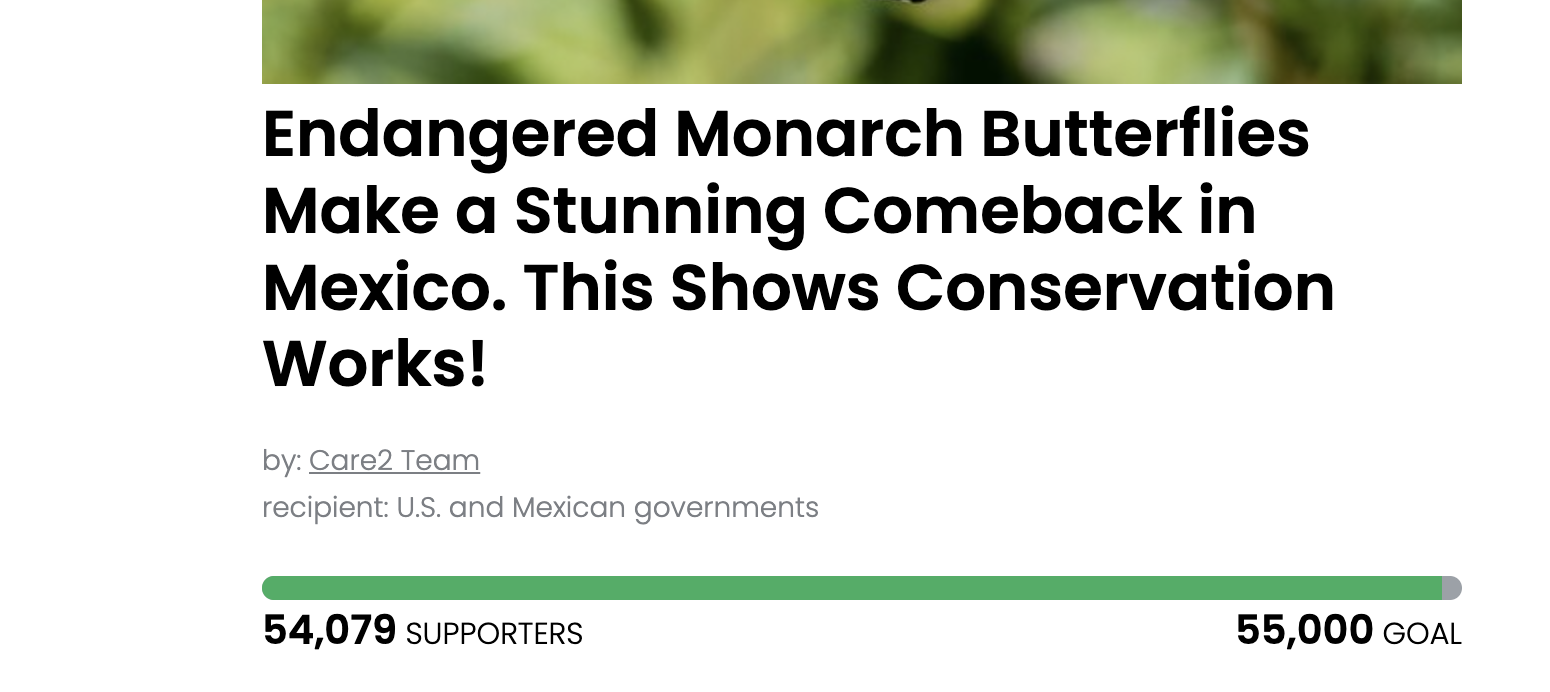
Take action for animals!
Protect the Monarch Butterflies!
Dog Food and Supplement Recalls
Here are the recent recalls and advisories:
- Steve's Real Food - Freeze-Dried Chicken Recipe Cat and Dog Food: Possible Low Thiamine Levels (B1)
- Raaw Energy - Dog Food: Potential Listeria Contamination
- Albright's Raw Pet Food - Chicken Recipe for Dogs: Potential Salmonella
Exposure
Family Photo of the Day: Brownie Rose!

Want to help find lost pets?
Download our RoverAlert app to receive notifications of missing pets in your area.
We want to feature your pup!
We want to share your pup with our pack. Email us your favorite doggy pic or video with your pup’s name, and we'll try to feature it as a family photo in one of our upcoming newsletters or on our Facebook page.
|
|