
🐶❤️🐶 What you need to know about heartworms 🐶❤️🐶
In today's issue:
-Meet our dog of the day
-Enjoy a laugh with our dog meme of the day
-Get great information in our featured article
-Take our action of the week
-Check out our family photo of the day
Dog(s) of the Day: Reggie!

Want your pup to be featured here?
Join our Facebook group - Post Your Pooch!
Meme of the day: Silly pup!

Unlock Your Next Income Stream: 100 Side Hustles for Ambitious Founders
In a world where financial freedom feels like a distant dream, smart women are building wealth on their own terms.
• Finally, a curated database of 100 proven side hustles (that actually work)
• Each idea comes with required startup costs, time investment, and potential earnings
• Exclusive insights from founders who've turned side gigs into 6-figure empires
• Detailed skill requirements so you can match your talents to the right opportunity
• Bonus: Priority scoring system to identify which hustles align with your lifestyle
Don't let another month slip by watching others build their empire. Your next income stream is hiding in our database, waiting to be discovered.
👉 Download the Side Hustle Database Now
What Every Dog Parent Needs to Know About Heartworm
As dog parents, our daily routines are filled with little acts of love—the extra scratch behind the ears, the perfectly timed treat, and the shared joy of a long walk on a sunny afternoon. But there’s one quiet, invisible threat that requires us to be fiercely proactive: heartworm disease.
While the thought of it can be frightening, the good news is that heartworm is entirely preventable. Understanding how it spreads and how to stop it is one of the most powerful ways you can protect your companion.

The Silent Journey: How Heartworm Happens
Heartworm disease is not something dogs can catch directly from one another. Instead, it relies on a very specific, pesky culprit: the mosquito.
The process is a biological chain reaction that happens in three main stages:
- The Bite: When an infected mosquito bites a dog, it leaves behind microscopic larvae (called microfilariae) on the skin, which slip into the bite wound.
- The Growth: Over the next several months, these tiny larvae migrate through the dog's tissue, eventually entering the bloodstream and traveling to the heart, lungs, and surrounding blood vessels.
- The Damage: Once settled, these larvae grow into adult worms that can reach up to a foot in length. Over time, they clog the heart and major vessels, restricting blood flow and causing damage to internal organs.
Because the worms grow slowly, a dog might carry the infection for months or even years before showing any outward signs of illness.
Signs to Watch For
In the early stages, most dogs seem perfectly healthy. However, as the disease progresses, you might notice subtle shifts in their energy and behavior:
A persistent, mild cough is often the first noticeable indicator, especially after physical exertion.
- Reluctance to exercise: A normally energetic pup might tire out quickly or refuse to play.
- Decreased appetite: You may notice a sudden disinterest in their favorite meals, eventually leading to weight loss.
- Labored breathing: In advanced stages, a dog's chest may look like it's working much harder than usual just to breathe, even while resting.
If you ever notice these changes, a quick trip to the vet for a simple blood test can provide immediate answers.
Prevention: The Ultimate Act of Care
Treating a dog who already has adult heartworms is tough. The process requires a series of strong injections, weeks of strict crate rest to prevent complications, and significant expense.
Prevention, on the other hand, is incredibly easy, safe, and effective.
Preventatives work by eliminating the microscopic larvae introduced by mosquitoes before they ever have a chance to grow into adult worms. You have a few great options to discuss with your vet:
| Preventative Type | How It Works | Frequency |
| Chewables | Tasty, flavored tablets that dogs usually treat like a snack. | Once a month, year-round. |
| Topical Liquids | Squeeze-on medications applied directly to the skin on the back of the neck. | Once a month, year-round. |
| Injections | A long-acting preventative administered exclusively by your veterinarian. | Once every 6 to 12 months (depending on the formula). |
The Year-Round Rule
It can be tempting to skip preventative doses during the freezing winter months when mosquitoes seem to vanish. However, veterinary experts strongly recommend year-round protection. Weather patterns are unpredictable; unseasonably warm days can bring mosquitoes out early, and a single missed month can leave a window of vulnerability.
Pairing a regular preventative routine with an annual heartworm blood test at the vet ensures your dog's safety net never drops. It takes just a few moments of your time, but it buys a lifetime of worry-free walks, energetic fetch sessions, and healthy, happy tail wags.
|
|
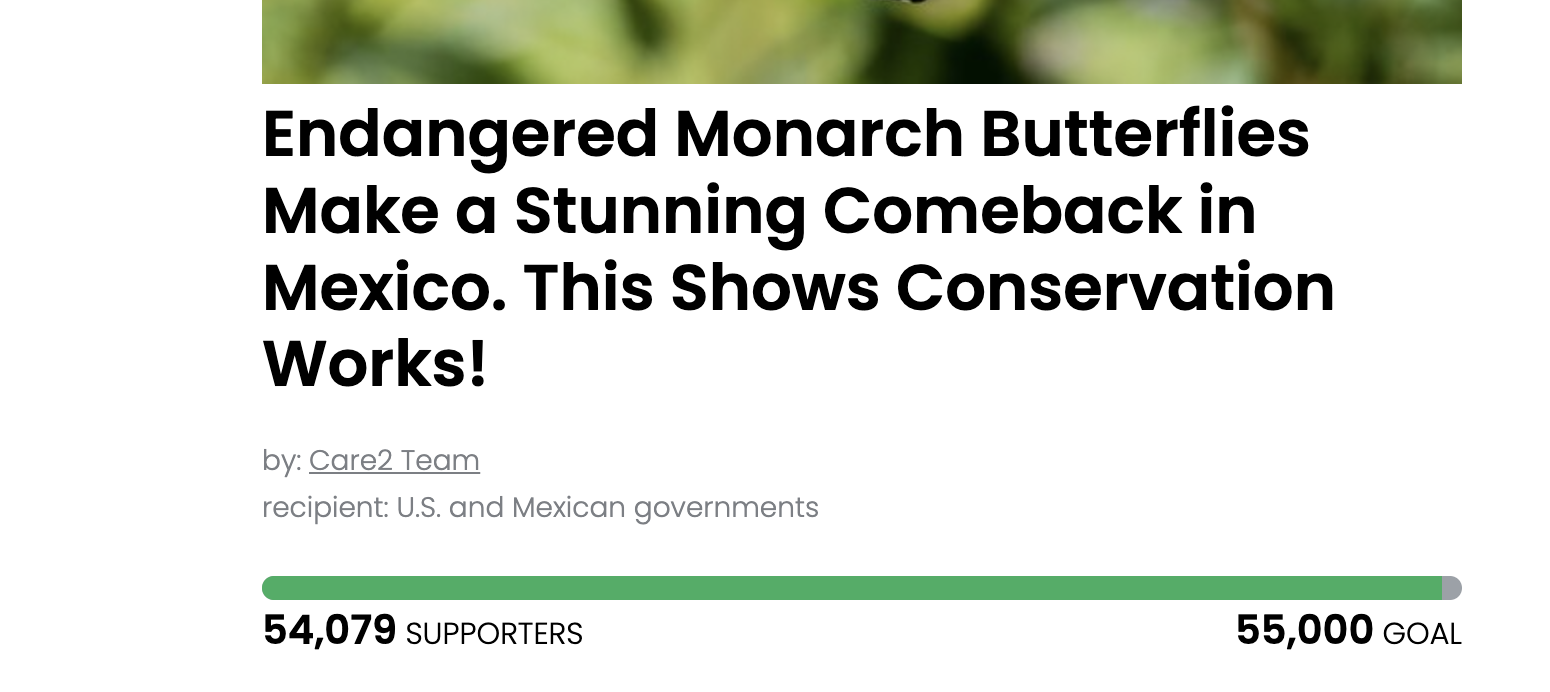
Take action for animals!
Protect the Monarch Butterflies!
Dog Food and Supplement Recalls
Here are the recent recalls and advisories:
- Steve's Real Food - Freeze-Dried Chicken Recipe Cat and Dog Food: Possible Low Thiamine Levels (B1)
- Raaw Energy - Dog Food: Potential Listeria Contamination
- Albright's Raw Pet Food - Chicken Recipe for Dogs: Potential Salmonella
Exposure
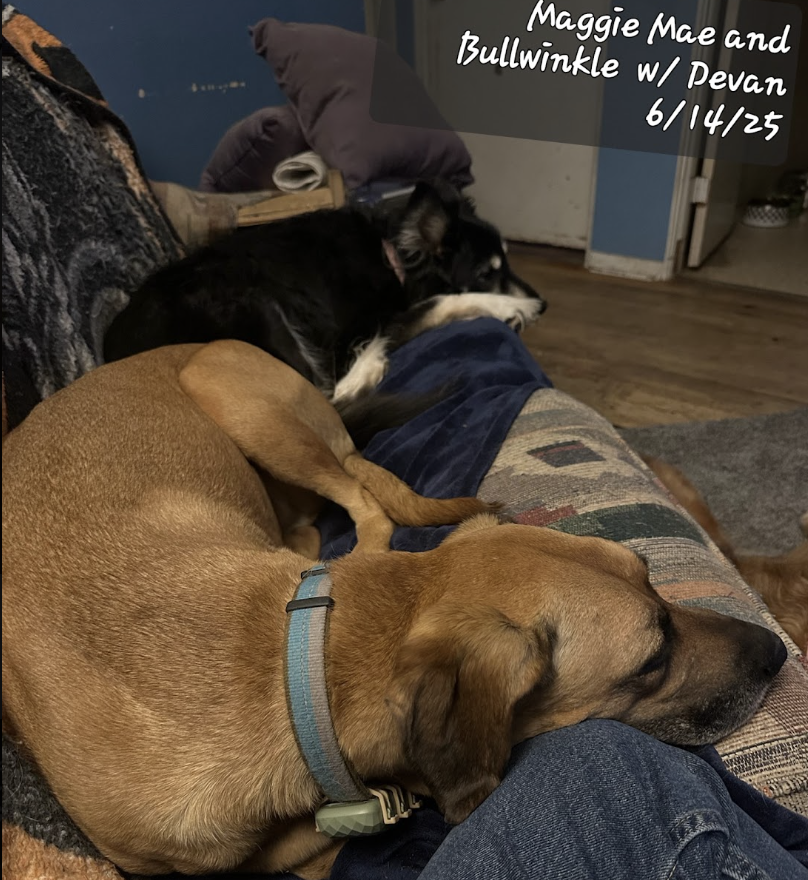
Family Photo of the Day: Maggie Mae & Bullwinkle!
Want to help find lost pets?
Download our RoverAlert app to receive notifications of missing pets in your area.
We want to feature your pup!
We want to share your pup with our pack. Email us your favorite doggy pic or video with your pup’s name, and we'll try to feature it as a family photo in one of our upcoming newsletters or on our Facebook page.
|
|