
🐶❤️🐶 How often should you wash your dog's chew toys? 🐶❤️🐶
In today's issue:
-Meet our dog of the day
-Enjoy a laugh with our dog meme of the day
-Get great information in our featured article
-Take our action of the week
-Check out our family photo of the day
Dog(s) of the Day: Gracie!
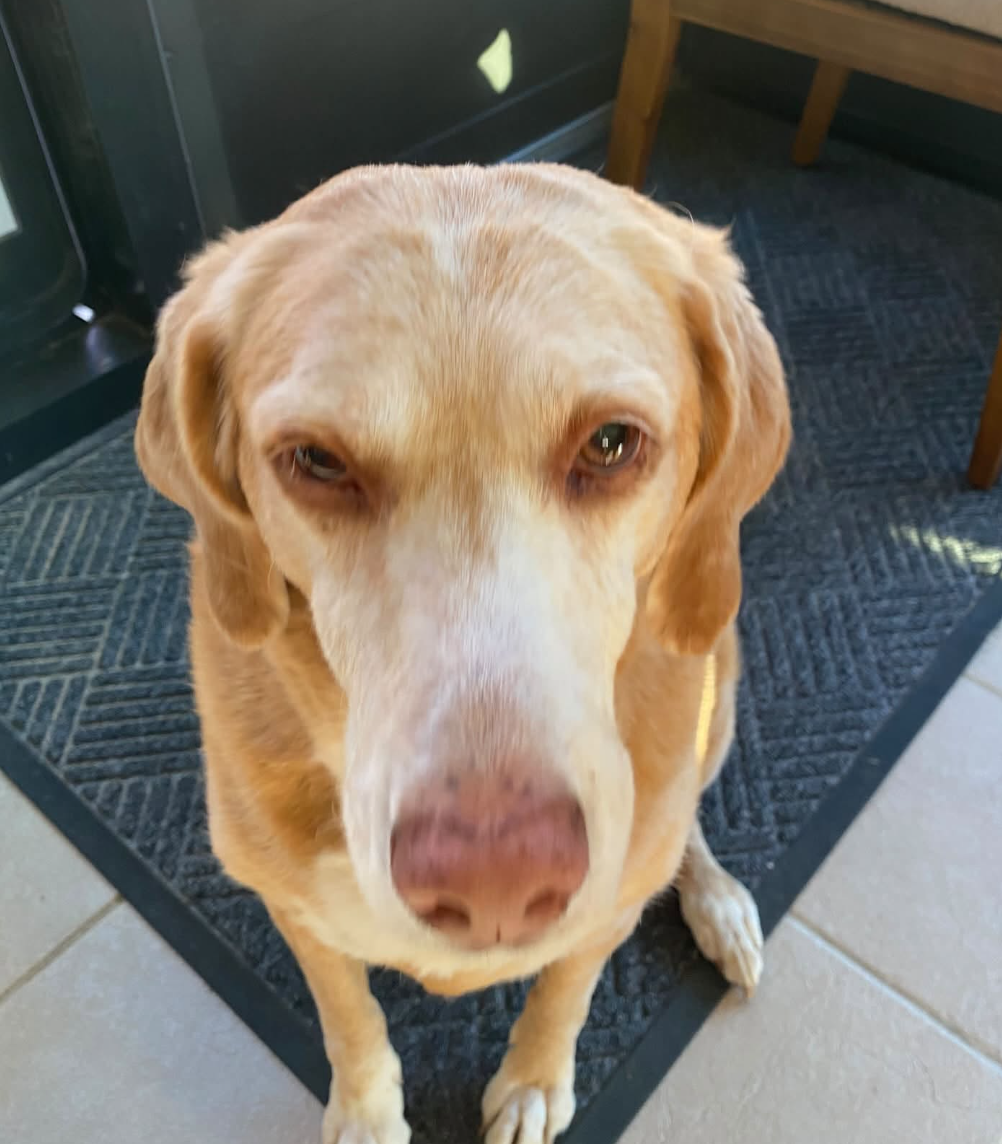
Want your pup to be featured here?
Join our Facebook group - Post Your Pooch!
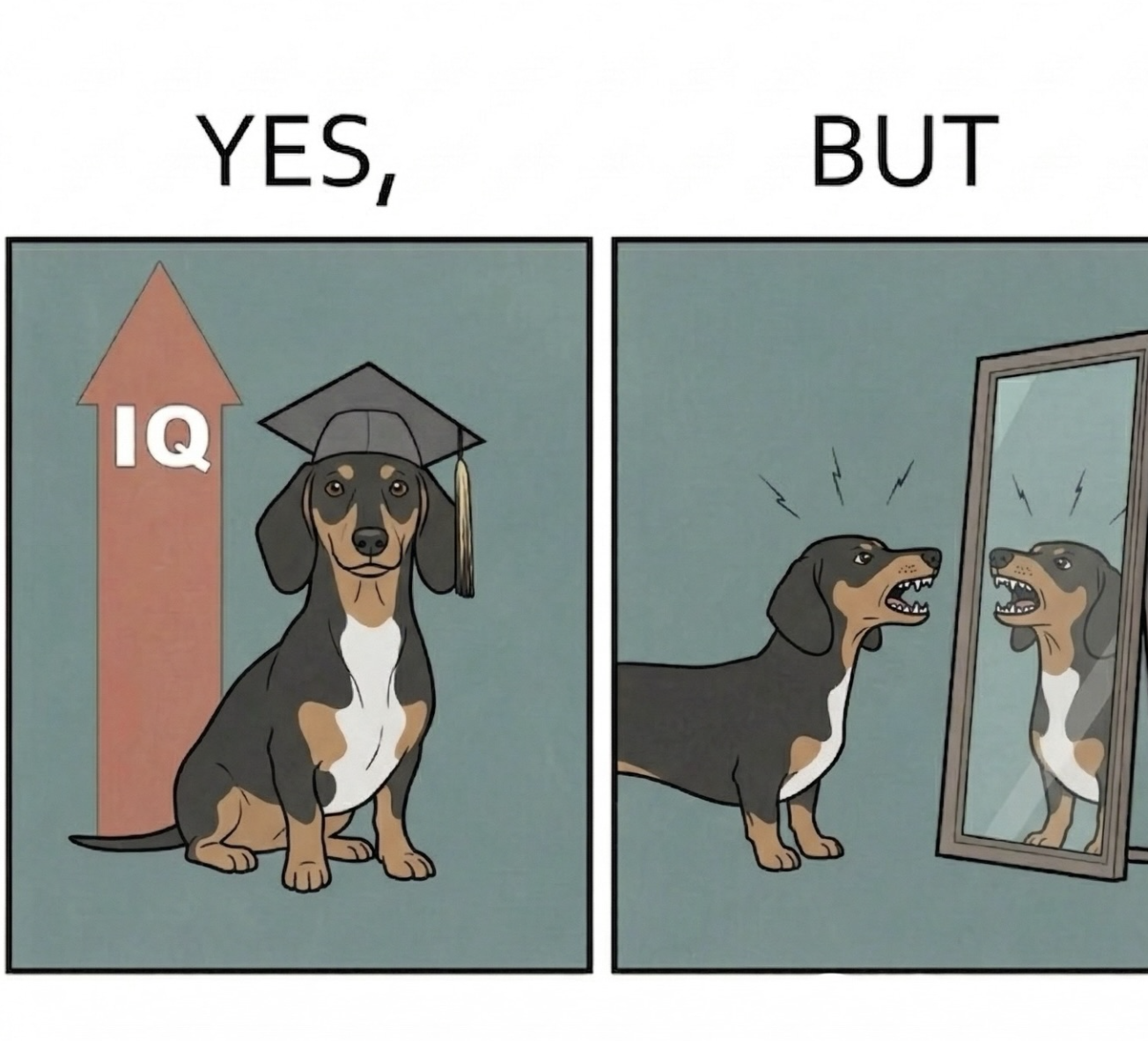
Meme of the day: Silly pup!
Unlock Your Next Income Stream: 100 Side Hustles for Ambitious Founders
In a world where financial freedom feels like a distant dream, smart women are building wealth on their own terms.
• Finally, a curated database of 100 proven side hustles (that actually work)
• Each idea comes with required startup costs, time investment, and potential earnings
• Exclusive insights from founders who've turned side gigs into 6-figure empires
• Detailed skill requirements so you can match your talents to the right opportunity
• Bonus: Priority scoring system to identify which hustles align with your lifestyle
Don't let another month slip by watching others build their empire. Your next income stream is hiding in our database, waiting to be discovered.
👉 Download the Side Hustle Database Now
The Ultimate Guide to Keeping Your Dog’s Favorite Toys Clean
Chew toys often have seen better days. I know my dog's favorite chew is regularly coated in a fine layer of dried drool, maybe a bit of backyard dirt, and possesses a "fragrance" only a dog could love.
As pet parents, we make sure our dogs eat the best food, get plenty of exercise, and hit the groomer on schedule. But there’s one sneaky hot spot for germs that often slips through the cracks: the toy box.
How often should you actually wash your dog's chew toys? The short answer is every one to two weeks, but the real strategy depends entirely on what the toy is made of and how it’s being used.

Why Toy Hygiene Matters
When your dog chews, they leave behind moisture that creates a perfect breeding ground for bacteria, mold, and yeast. A study by the National Sanitation Foundation (NSF) actually found that pet toys are among the top ten most germ-ridden items in the average household.
If your dog loves burying their toys in the garden or sharing them with the neighborhood pups at the park, those toys are also picking up environmental microbes, allergens, and coliform bacteria (like E. coli). Keeping them clean isn't just about stopping the smell—it protects your dog's oral health and keeps your living room floor sanitary.
The Cleaning Schedule by Toy Type
Not all toys are created equal. A heavy-duty rubber Kong requires a totally different approach than a well-loved fabric squeaker.
| Toy Material | Recommended Washing Frequency | Best Cleaning Method |
| Hard Rubber, Nylon, & Plastic | Once a week | Top rack of the dishwasher (no heat dry) or hand wash with warm, soapy water. |
| Plush & Fabric Toys | Every 1–2 weeks | Washing machine on a gentle cycle with pet-safe, scent-free detergent. Air dry. |
| Rope Toys | Every week | Submerge in water and microwave for 1–2 minutes to kill bacteria, or wash on hot with no soap. |
Hard Rubber and Plastic Toys
These are the easiest to maintain. Most high-quality rubber toys can go straight into the dishwasher. Just make sure to skip the heated dry cycle, as intense heat can warp or degrade the material. If you're washing by hand, a bottle brush is incredibly helpful for cleaning out the inside of hollow treats-dispensing toys where peanut butter or kibble paste likes to hide.
Plushies and Soft Fabric Toys
If your dog treats their plush toys like security blankets, they gather a lot of saliva fast. Pop them into the washing machine inside a mesh laundry bag or pillowcase to protect the seams and squeakers. Always use an all-natural, unscented detergent—dogs have incredibly sensitive noses, and heavily perfumed laundry soaps can irritate their skin and respiratory systems.
A Special Note on Rope Toys
Rope toys are fantastic for heavy chewers, but they act like giant sponges for bacteria. Because they hold onto moisture for so long, they can easily harbor mold. A quick trick is to wet the rope thoroughly and microwave it on high for 60 to 90 seconds to kill off the nasties. Note: Only do this if the rope is 100% cotton and contains no plastic or metal parts!
When to Toss Instead of Wash
While regular baths can extend the life of your pup's favorite playthings, nothing lasts forever. It’s time to say goodbye to a toy if you notice:
- Missing pieces or sharp, chewed edges that could cut your dog's mouth.
- Loose stuffing or squeakers protruding from plush toys (these are major choking and intestinal blockage hazards).
- Cracks or tearing in rubber toys where large chunks could be swallowed.
By spending just a few minutes a week sanitizing their favorite things, you’re ensuring that your dog's playtime stays safe, healthy, and wonderfully fresh!
|
|
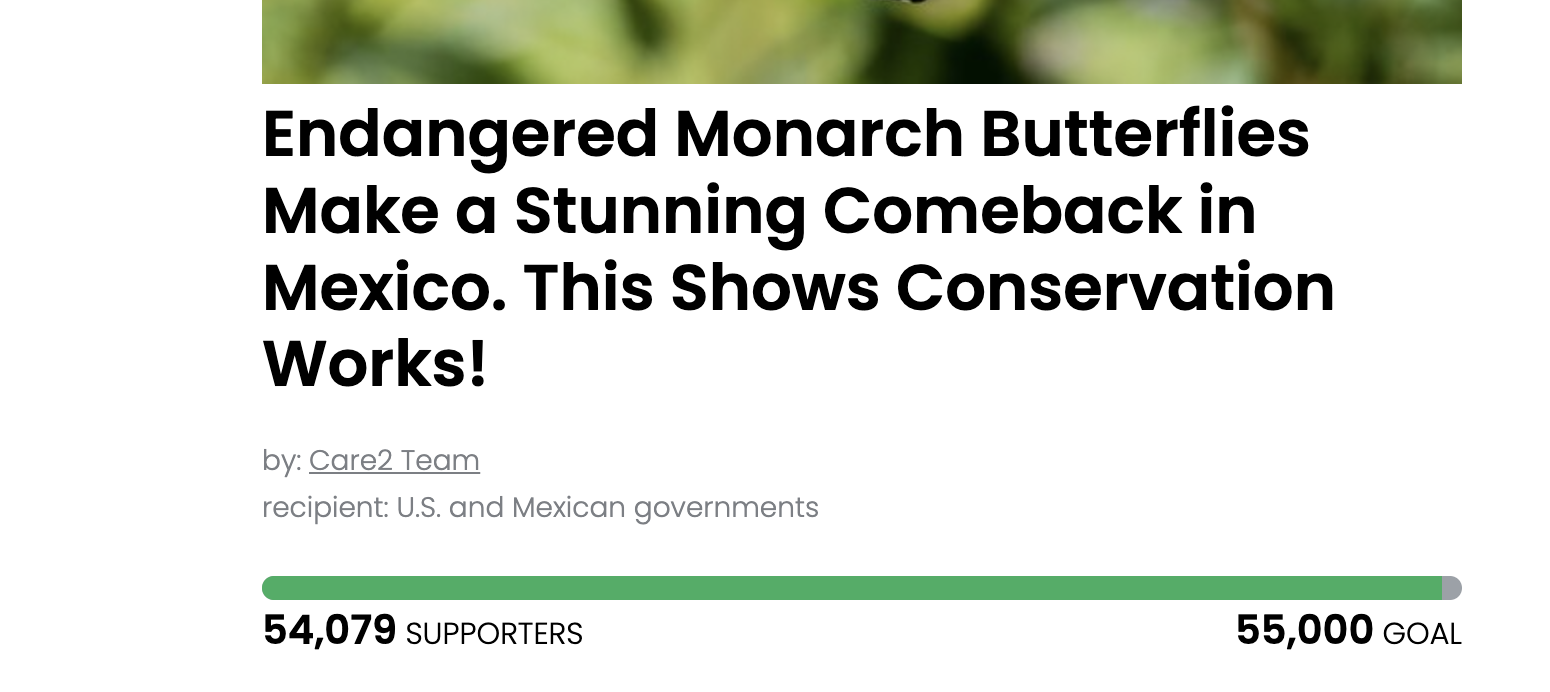
Take action for animals!
Protect the Monarch Butterflies!
Dog Food and Supplement Recalls
Here are the recent recalls and advisories:
- Steve's Real Food - Freeze-Dried Chicken Recipe Cat and Dog Food: Possible Low Thiamine Levels (B1)
- Raaw Energy - Dog Food: Potential Listeria Contamination
- Albright's Raw Pet Food - Chicken Recipe for Dogs: Potential Salmonella
Exposure
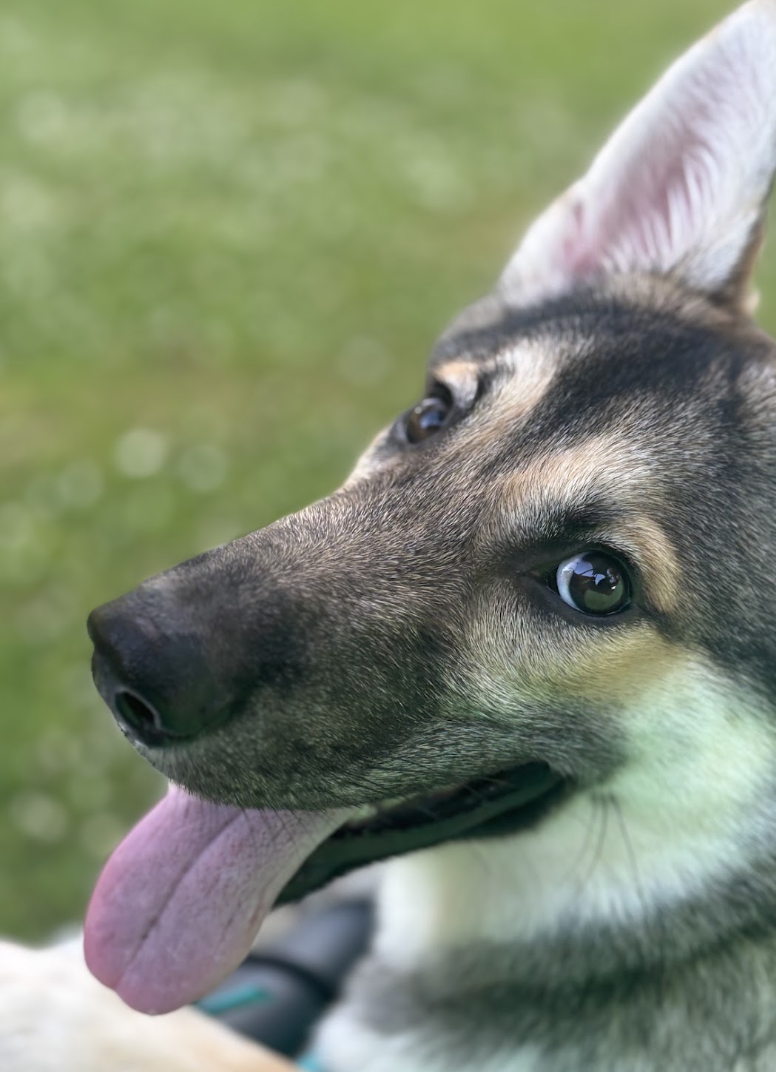
Family Photo of the Day: Sampson!
Want to help find lost pets?
Download our RoverAlert app to receive notifications of missing pets in your area.
We want to feature your pup!
We want to share your pup with our pack. Email us your favorite doggy pic or video with your pup’s name, and we'll try to feature it as a family photo in one of our upcoming newsletters or on our Facebook page.
|
|