
🐶❤️🐶 Why is my dog's nose bleeding? 🐶❤️🐶
In today's issue:
-Meet our adoptable dog of the day
-Enjoy a laugh with our dog meme of the day
-Get great information in our featured article
-Take our action of the week
-Check out our family photo of the day
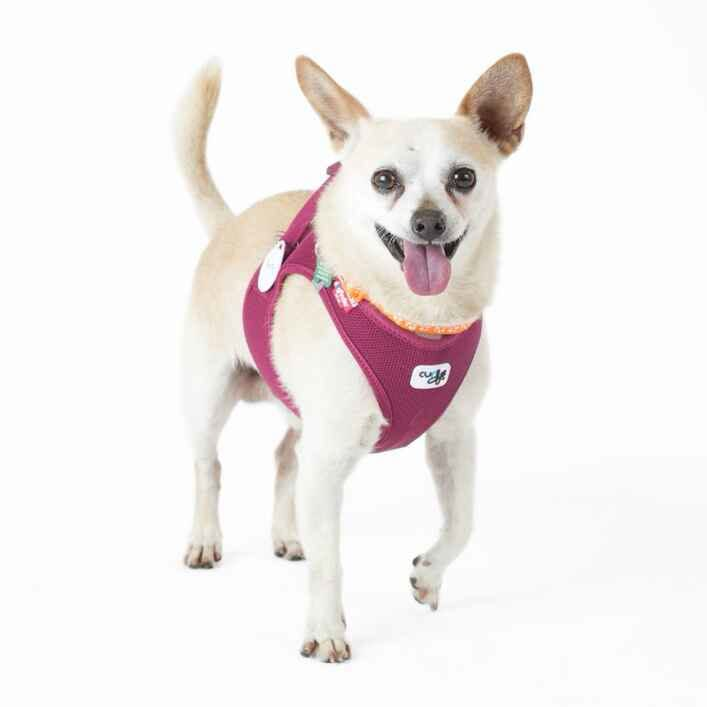
Adoptable Dog(s) of the Day: Parton!
8-year-old lovable pup in need of a forever home from Muttville Senior Dog Rescue in San Francisco, California
Want your pup to be featured here?
Join our Facebook group - Post Your Pooch!
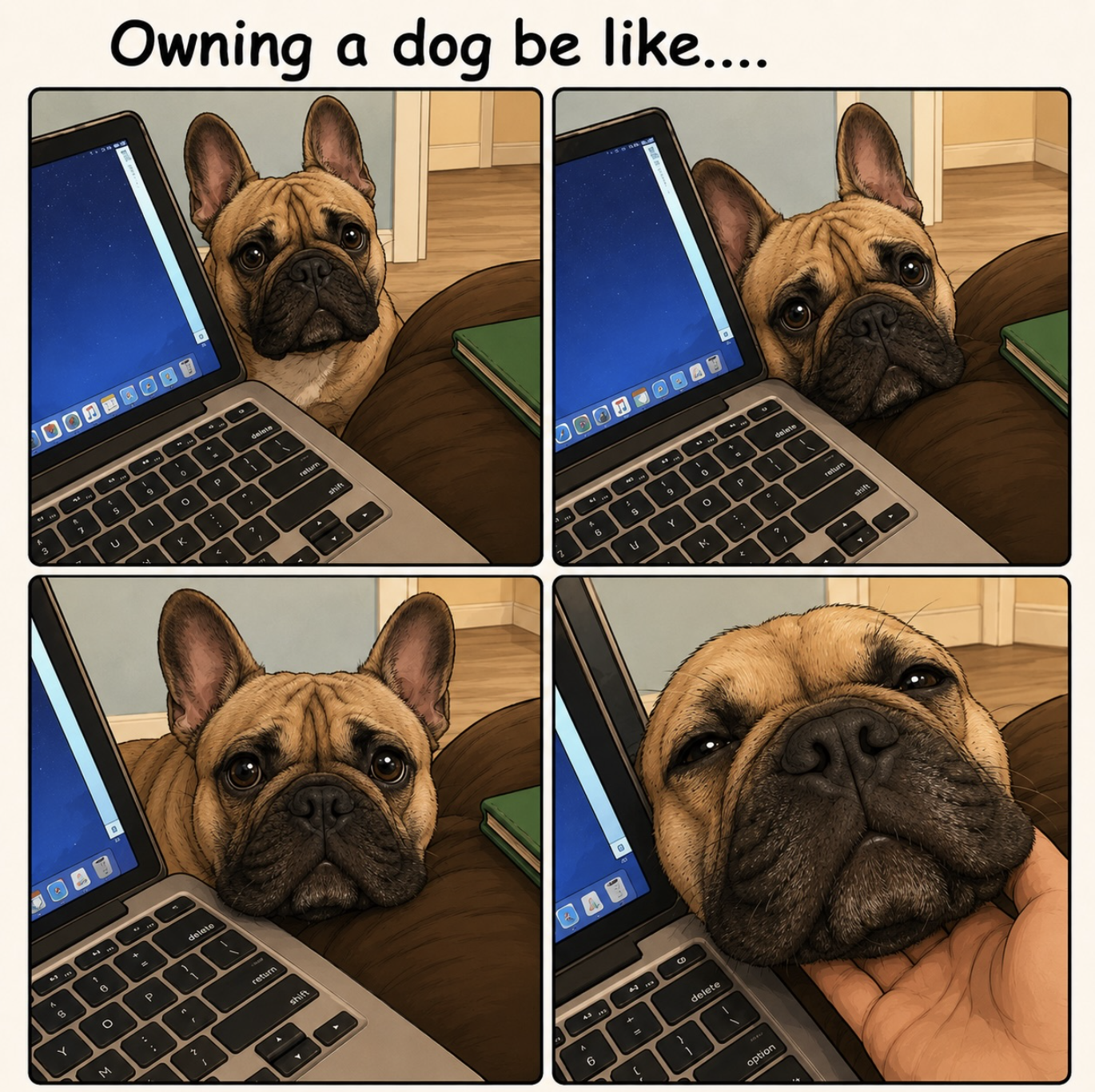
Meme of the day: True!
You work a 9-to-5 so your pet can live like royalty. Get rewarded for it.
Your pet lives like a king on your salary: organic treats, memory-foam beds, and endless toy drops. Isn't it time their high-maintenance lifestyle worked for you? Meet Nibbles*, the first credit card engineered specifically for pet parents. Earn 3x rewards on pet & vet expenses, from organic pet food to grooming, and get 1x rewards everywhere Mastercard is accepted. You can keep spoiling your highness without breaking the bank. Get the no annual fee card that actually rewards you for spoiling your pet.
Understanding Dog Nosebleeds
A dog's wet, velvety nose is built for exploring the world, sniffing out everything from stray trail crumbs to subtle changes in the autumn air. But if you suddenly notice a droplet of bright red blood on your pup's snout, it is completely natural for your heart to skip a beat.
Nosebleeds in dogs, known medically as epistaxis, can look alarming. However, they are relatively common and stem from a wide variety of causes.

Common Triggers Behind Canine Nosebleeds
A dog's nasal passages are lined with a dense network of delicate, tiny blood vessels. Because these vessels sit so close to the surface, it doesn't take much to cause a problem. Here are the most frequent reasons a dog's nose might bleed:
- Foreign Objects: Dogs experience the world nose-first. Sniffing deeply in tall grass or brush can easily lead to a foxtail, seed, or bit of dirt getting inhaled and irritating the nasal lining.
- Nasal Trauma: A bump during an enthusiastic game of fetch, a rough play session with another dog, or a minor fall can rupture tiny blood vessels.
- Infections: Fungal infections (like Aspergillus) or severe bacterial infections inside the nasal cavity can inflame and erode delicate tissues, leading to bleeding.
- Dental Problems: Tooth root abscesses—especially in the upper canine or premolar teeth—can break through into the nasal cavity and cause bleeding from one nostril.
- Poisons and Toxins: Ingestion of rodenticides (rat poison) interferes with blood clotting and often manifests as bleeding from the nose, mouth, or eyes.
- Systemic Health Conditions: High blood pressure, blood clotting disorders (like von Willebrand disease), or tick-borne illnesses (such as Ehrlichiosis) can cause spontaneous nosebleeds.
- Nasal Polyps or Tumors: More common in older or long-snouted breeds (like Collie varieties), growths inside the nasal passages can cause persistent, low-grade bleeding.
Immediate Steps to Take at Home
If your dog’s nose starts bleeding, staying relaxed is the best way to keep your dog's heart rate down, which directly helps slow the bleeding.
- Keep your dog calm: Encourage them to lie down quietly. Excitement or barking raises blood pressure and increases blood flow.
- Apply an ice pack: Wrap a small ice pack or a bag of frozen peas in a soft towel and gently hold it over the bridge of your dog's snout. The cold temperature helps constrict the local blood vessels.
- Tilt the head slightly down: Keep their head neutral or tilted slightly downward so blood doesn't drain down the back of their throat, which can cause choking or stomach upset.
- Avoid inserting anything: Never pack cotton swabs, tissues, or gauze into your dog's nostrils.
When to See the Vet
While a mild, one-off trickle from a bumped snout might resolve quickly, any unexplained or recurring nosebleed warrants a prompt veterinary evaluation.
Seek immediate emergency care if the bleeding is heavy and continuous, if blood is coming from both nostrils, or if your dog shows secondary signs like pale gums, lethargy, coughing, or unexplained bruising elsewhere on their body. Your veterinarian can perform a thorough exam, run blood panels, or take X-rays to pinpoint the underlying cause and get your pup back to their usual, happy sniffing.
|
|
Take action for animals!
Demand justice for Zena!
*petition description may be disturbing

Dog Food and Supplement Recalls
Here are the recent recalls and advisories:
- FI - Pet Supplements: Potential Salmonella Contamination
- Northwest Naturals - Chicken Recipe: Potential Salmonella and/or Listeria Monocytogenes Contamination
- Fromm - Wet Canned Dog Food: Potential Metal Contamination
- Oma's Pride - Canine Food: Contaminated with Salmonella
- Pedigree - High Protein Chopped Chicken & Duck Flavor Wet Dog Food: Potential Plastic Contaminants
- Steve's Real Food - Freeze-Dried Chicken Recipe Cat and Dog Food: Possible Low Thiamine Levels (B1)
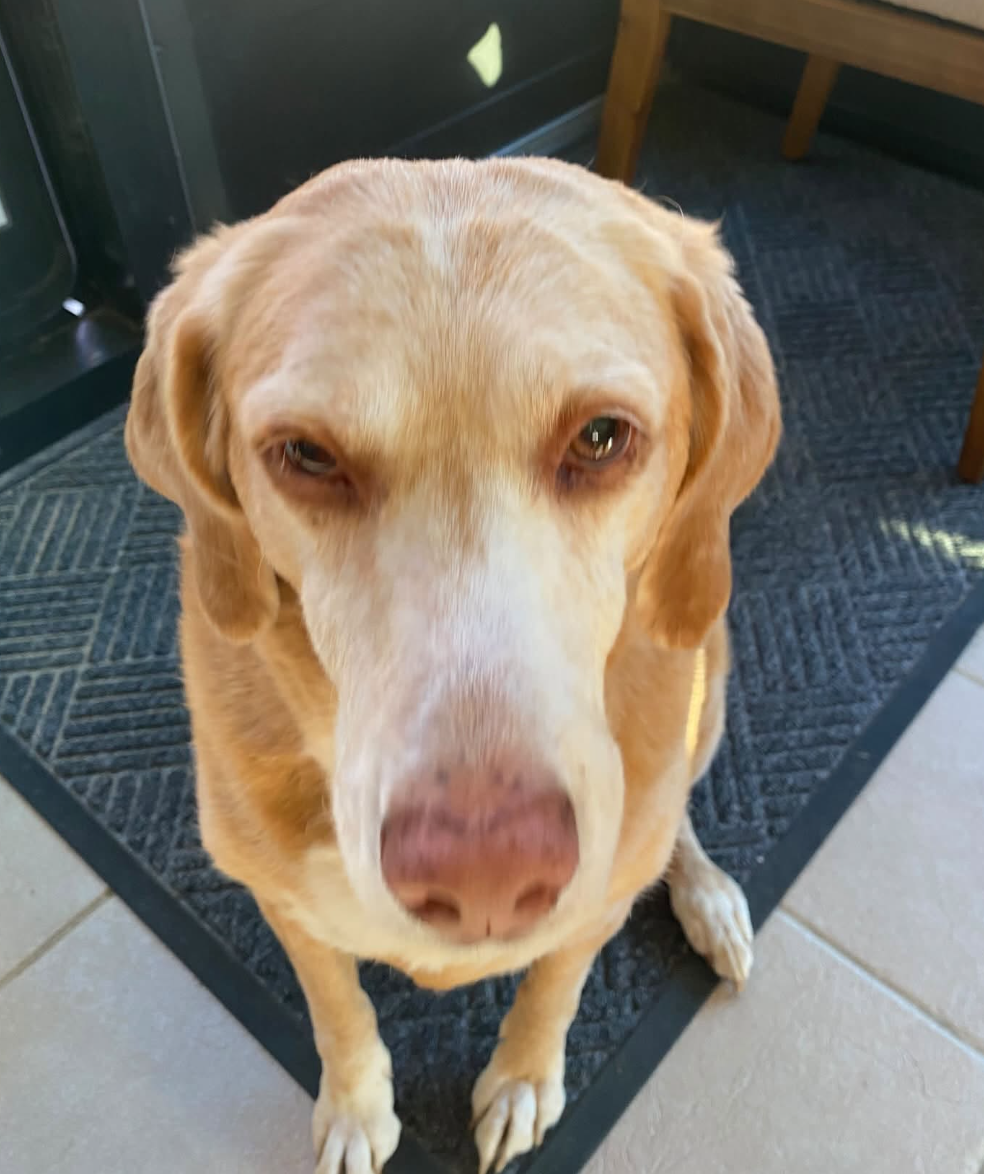
Family Photo of the Day:
Want to help find lost pets?
Download our RoverAlert app to receive notifications of missing pets in your area.
We want to feature your pup!
We want to share your pup with our pack. Email us your favorite doggy pic or video with your pup’s name, and we'll try to feature it as a family photo in one of our upcoming newsletters or on our Facebook page.
|
|
*Sponsored by Nibbles. Nibbles is not a bank. The Nibbles Card is issued by Lead Bank. Other fees and T&Cs apply. Rewards & pet insurance offered by Nibbles, not Lead Bank. Base pet insurance policy paid for one eligible pet by Nibbles. See nibbles.com for details. Nibbles does not operate in CT, NY, MN, WA, CO, HI, MA, or ME.