
🐶❤️🐶 Protect your pup from airborne contaminants 🐶❤️🐶
In today's issue:
-Meet our adoptable dog of the day
-Learn about our Shelter of the Week
-Enjoy a laugh with our dog meme of the day
-Get great information in our featured article
-Take our action of the week
-Check out our family photo of the day
Adoptable Dog(s) of the Day: Rosati!
8-year-old lovable pup in need of a forever home at Muttville Senior Dog Rescue in San Francisco, California

Join our Facebook group - Post Your Pooch!
Shelter of the Week:
Hounds in Pounds

Founded in 2015 by a small-town animal lover hoping to save just a few lives, Hounds in Pounds has grown into a dedicated, New Jersey-based 501(c)(3) nonprofit rescue that serves as a vital lifeline for shelter dogs across Georgia and the American South. Rooted in deep compassion, the organization pulls vulnerable dogs from high-kill shelters and underserved communities, providing them with critical veterinary care, behavioral support, and loving foster homes until they are matched with their forever families. At its heart, Hounds in Pounds believes that animal rescue isn't just about saving individual dogs—it is about building kinder, more connected communities.
What Makes Hounds in Pounds Special
- A "Never Say Never" Approach to Underdogs: Hounds in Pounds intentionally steps up for the dogs most likely to be overlooked or deemed "hopeless" by others. When they rescue a litter of puppies, they make sure to save the mama dog too. They also welcome seniors, mixed breeds, and dogs facing complex medical or behavioral hurdles without discrimination.
- A Lifeline from the South to the Northeast: Operating as a vital bridge between overcrowded shelters in Georgia and the Southeast and adoptive families across the Northeast, Hounds in Pounds combines hands-on rescue with spay/neuter outreach and public education to tackle the root causes of shelter overpopulation.
- Commitment to Long-Term Adoption Success: Rather than simply placing dogs and walking away, Hounds in Pounds sets both pets and adopters up to thrive together through thoughtful behavioral intervention. Every adopter commits to completing professional training such as puppy kindergarten, basic obedience, or private sessions within three months of adoption to ensure a smooth, lasting bond.
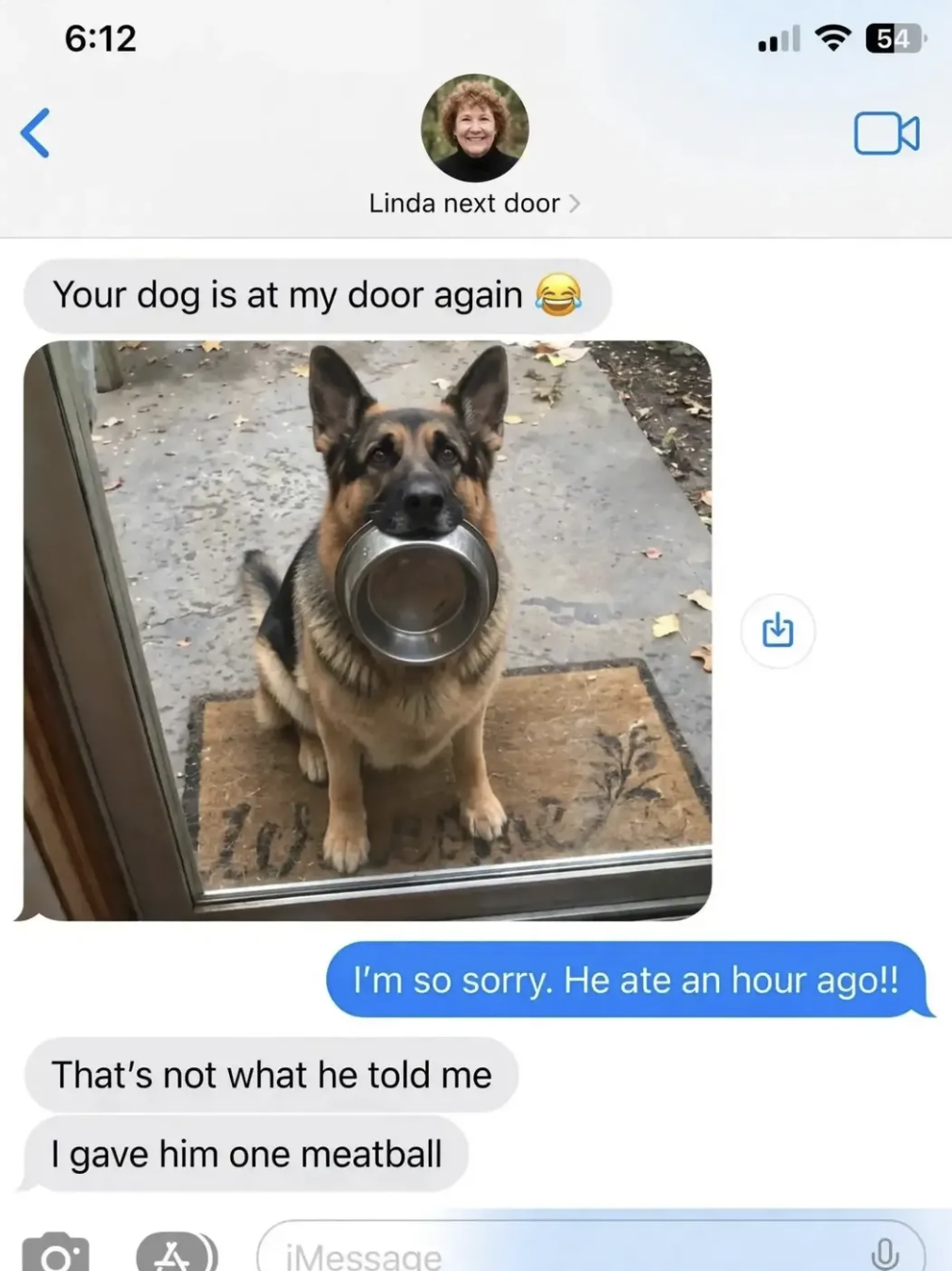
Meme of the day: Silly pups!
Could you afford to replace everything you own?
Your laptop, phone, TV, furniture, clothes, and kitchen gear. Add it all up and it's likely worth more than you think. Now picture losing it to a break-in, a kitchen fire, or a burst pipe in the unit upstairs. Your landlord's policy won't replace any of it. Renters insurance can, and it often costs less than people expect. Insurify makes it easy to compare renters insurance quotes from multiple insurers side by side. It takes about five minutes, you won't need to make a single phone call, and you can see exactly what you'd pay each month before you decide on a policy.
Lessons from Middletown’s Lead Azide Detonation
When news broke about the U.S. Army’s planned controlled detonations of 68 barrels of degraded lead azide at the Iowa Army Ammunition Plant in Middletown, Iowa, complete with plume maps projecting where lead-containing dust might drift, many pet owners felt an immediate knot in their stomach. We've seen a lot of people talking about this online and wanted to address it somehow.
Events like the Middletown detonation bring airborne contaminants out of abstract headlines and right into everyday pet care. Whether you live near a plume zone or simply want to be ready the next time smoke, wildfire ash, industrial dust, or chemical advisories roll through your area, a calm, proactive plan can protect your pup.

Why Dogs Face Extra Risk From Airborne Contaminants
Airborne particulates, especially heavy metals like lead, don't just stay in the air. Once wind carries a plume or dust cloud downward, particles settle onto grass, soil, porches, windowsills, and outdoor gear.
Dogs are uniquely exposed in three everyday ways:
- Low-to-the-ground curiosity: Sniffing trails, weeds, and sidewalks puts a dog’s nose and mouth right where settled dust collects.
- Self-grooming: Licking paws, bellies, and coats after stepping outside can turn surface dust into ingested residue.
- Noise and vibration stress: Controlled detonations or sudden booms can trigger fear, pacing, or hiding, making safe indoor routines even more important.
Practical Steps to Protect Your Dog Before, During, and After a Contaminant Advisory
Official guidance around the Middletown event specifically emphasizes staying indoors, keeping windows and doors shut, adjusting HVAC recirculation, and cleaning surfaces afterward. Translating those precautions into a dog-friendly routine helps keep your companion safe and settled no matter the type of contamination event:
| Timing | What to Do for Your Dog | Why It Helps |
| Before & During | Keep your dog inside with doors and windows closed; set HVAC systems to recirculation mode rather than pulling outside air in. Use quick, supervised indoor/yard potty breaks only if safe and advised, or follow local evacuation/shelter guidance (in Middletown, officials noted pets on leashes or in carriers are welcome at the Armed Forces Reserve Center if needed). | Limits inhalation of drifting dust and keeps indoor air cleaner while plumes settle (often within an hour or less depending on wind, though local advisories vary). |
| Right After Going Outside | Wipe paws, muzzles, and coats with a damp cloth or pet-safe wipe before your dog curls up on the couch or licks their fur. | Removes settled particulate matter before grooming turns external dust into internal exposure. |
| After the Event | Clean indoor windowsills, hard floors, and outdoor dog bowls, toys, or bedding that were exposed outside. Check updated environmental and cleanup guidance from local authorities. | Prevents lingering indoor dust re-circulation and keeps food/water stations free of residue. |
A quick tip on calming nerves: Loud booms and ground vibrations can startle even laid-back dogs. Setting up a cozy interior room away from exterior glass with a favorite bed, water bowl, and low background sound gives them a secure anchor while you monitor official updates.
When to Call the Vet
Watch your dog closely if you know or suspect they were exposed to heavy metals, smoke, or chemical dust. Contact a veterinarian promptly if you notice vomiting, diarrhea, lethargy, loss of appetite, coughing, trouble breathing, tremors, or unusual behavioral changes. If you are ever unsure whether local air or ground conditions are safe for a walk, err on the side of keeping outdoor time brief and wiping down afterward.
|
|
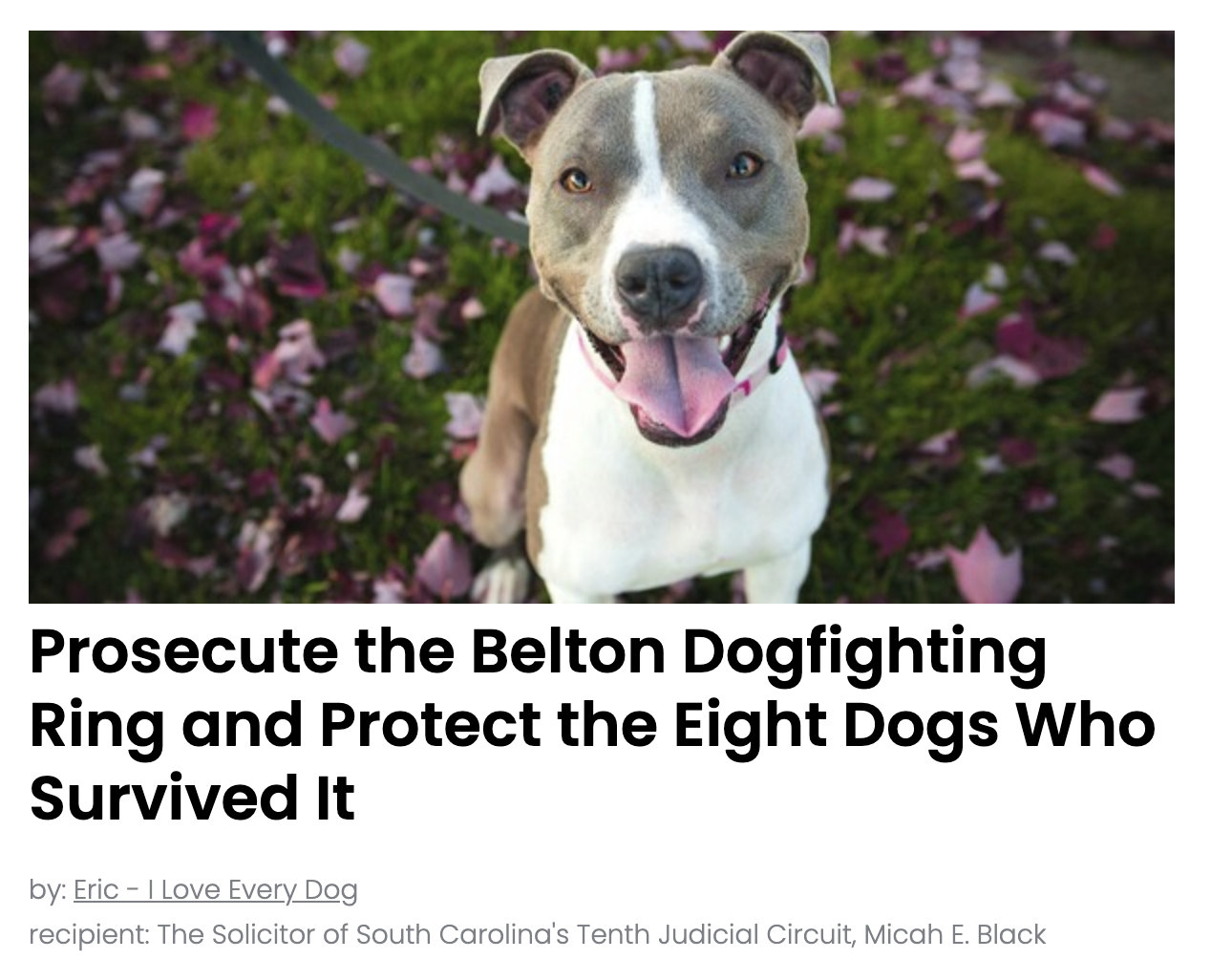
Take action for animals!
Demand justice for that pup!
*petition description may be disturbing
Dog Food and Supplement Recalls
Here are the recent recalls and advisories:
- FI - Pet Supplements: Potential Salmonella Contamination
- Northwest Naturals - Chicken Recipe: Potential Salmonella and/or Listeria Monocytogenes Contamination
- Fromm - Wet Canned Dog Food: Potential Metal Contamination
- Oma's Pride - Canine Food: Contaminated with Salmonella
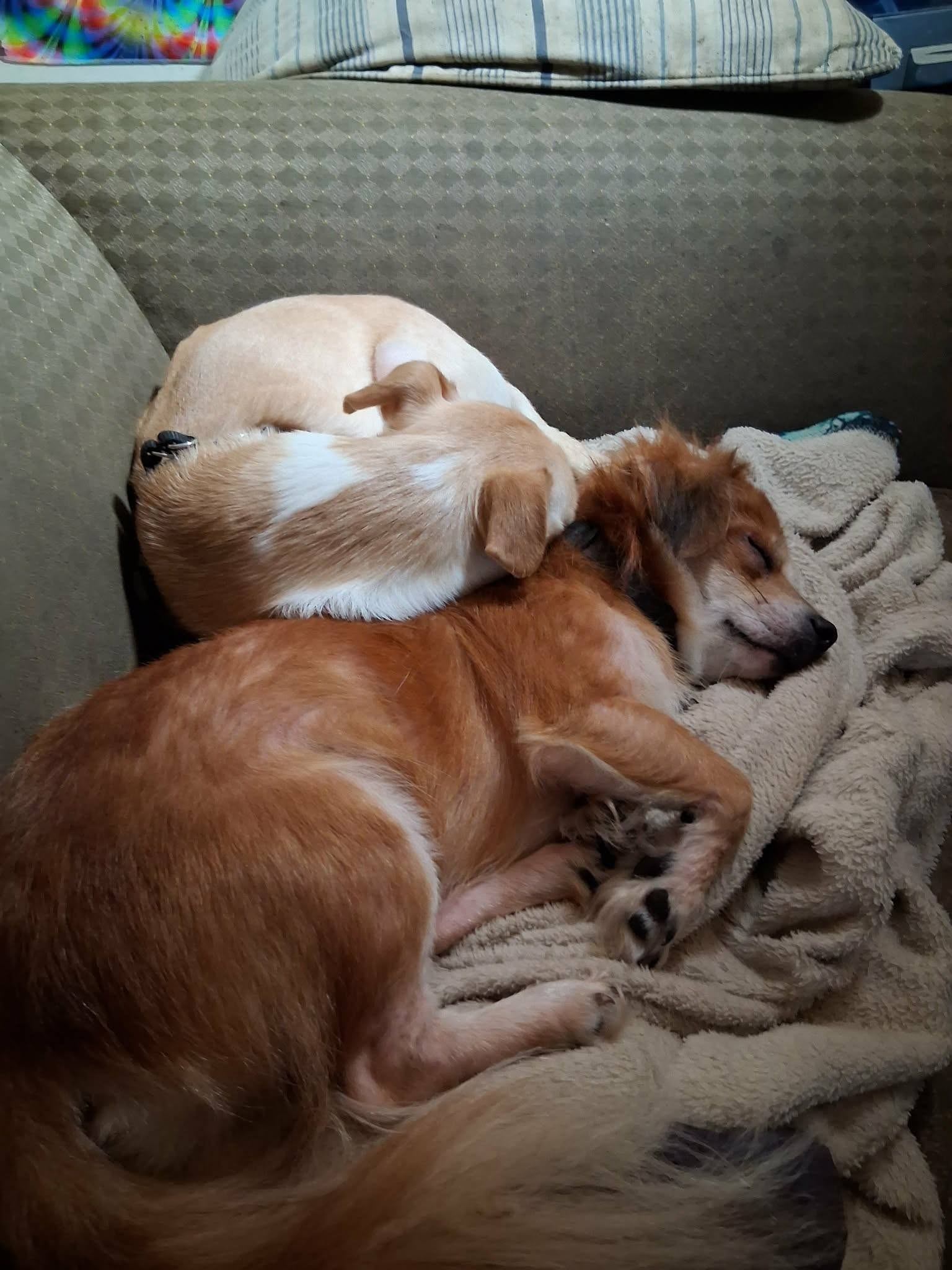
Family Photo of the Day:
Want to help find lost pets?
Download our RoverAlert app to receive notifications of missing pets in your area.
We want to feature your pup!
We want to share your pup with our pack. Email us your favorite doggy pic or video with your pup’s name, and we'll try to feature it as a family photo in one of our upcoming newsletters or on our Facebook page.
|
|