
🐶❤️🐶 Why is my dog pacing? 🐶❤️🐶
In today's issue:
-Meet our adoptable dog of the day
-Enjoy a laugh with our dog meme of the day
-Get great information in our featured article
-Take our action of the week
-Check out our family photo of the day
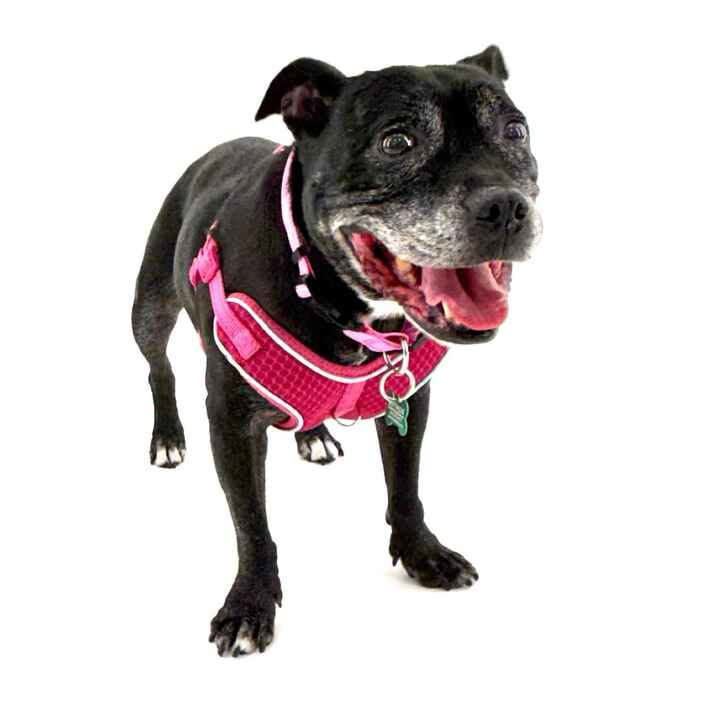
Adoptable Dog(s) of the Day: Booties!
11-year-old lovable pup in need of a forever home from Muttville Senior Dog Rescue in San Francisco, California
Join our Facebook group - Post Your Pooch!
Meme of the day: True!
10 Weird Little Hacks Costco Shoppers Should Know
Do you shop at Costco? Then you know the thrill of saving money. But you might be missing other smart ways to stretch your dollars. Check out our list of genius money hacks—almost as good as that $1.50 hot dog!
Why Your Dog Is Pacing and How to Help Them Settle
It's a typical day interrupted by the repeated clickety-clack of dog paws on the floor. You look up from your book or desk, watching your furry companion trace the same invisible path along the hallway, turn around, and walk it back again. They stand up, circle, sit for two seconds, and pop right back up.

When your dog is pacing, it can make you feel restless too. But pacing isn't just a quirky habit or a behavioral mystery; it is your dog's way of communicating that something inside their mind or body is out of balance.
Anxiety and Overwhelming Emotions
Just like humans might walk back and forth while waiting for an important phone call, dogs pace when their nervous system is processing heightened stress or anxiety. Repetitive movement helps soothe an overstimulated mind by releasing adrenaline and coping with tension.
- Environmental Triggers: Loud noises like thunderstorms, fireworks, or ongoing construction outside can easily trigger pacing alongside panting, whining, or clinginess.
- Separation Anxiety: Many dogs pace near doors or windows right before a family member leaves or while waiting for a loved one to return home.
- Anticipation: Pacing isn't always negative! A dog pacing between you and the front door around 5:00 PM is likely managing the build-up of sheer excitement for dinner or walkies.
Physical Discomfort or Hidden Pain
When a dog is experiencing physical pain, sitting still can actually accentuate their awareness of the ache. If staying in one position hurts, pacing becomes a desperate search for a comfortable posture that never quite comes.
- Joint Stiffness and Arthritis: Older dogs often pace because rising, lying down, or keeping joints still causes persistent aches. You might notice them repeatedly trying to settle in their bed, changing positions, and getting right back up.
- Gastrointestinal Upset: Nausea, an upset stomach, or gas bloat can make dogs deeply restless. Look for accompanying signs like lip-licking, gulping air, or eating grass frantically.
Red Flag Warning: If your dog (especially a large, deep-chested breed) is pacing with a tight or swollen belly, drooling, and unproductively retching, seek emergency veterinary care immediately. This can be a sign of Bloat (GDV), which is a life-threatening medical emergency.
Golden Years and Cognitive Changes
If you have a senior dog who seems to start wandering late in the evening, you might be seeing signs of Canine Cognitive Dysfunction (CCD), often referred to as dog dementia.
As dogs age, brain changes can disrupt their sleep-wake cycles. Senior dogs experiencing "sundowning" may become disoriented or confused as daylight fades, leading to nighttime pacing, wandering into corners, or staring blankly at walls.
Unmet Needs and Boredom
Sometimes, the answer is delightfully simple: your dog's internal engine is running, but they have nowhere to put that energy. High-energy or highly intelligent working breeds will pace out of sheer boredom if they haven't had enough physical exercise or mental engagement throughout the day. Pacing can also be their way of signaling basic needs—like needing a bathroom break or asking for fresh water.
How to Help Your Pacing Companion Settle
Understanding why your dog is pacing is the first step toward creating a calm, safe environment for them. Here are actionable ways to help them find their quiet place:
- Establish Grounding Routines: Dogs thrive on predictability. Keeping daily schedules for meals, walks, and quiet hours consistent helps ease chronic low-level anxiety.
- Engage the Brain, Not Just the Body: A tired body doesn't always yield a calm mind if the nervous system is dysregulated. Engage their sense of smell with snuffle mats, puzzle toys, or simple indoor scent games to lower their heart rate.
- Designate a Safe Zone: Set up a cozy sanctuary bed or crate in a quiet room with low lighting and white noise to cushion against outside triggers like loud storms or busy street activity.
- Schedule a Vet Assessment: If the pacing appears suddenly, worsens at night, or occurs alongside physical symptoms (like limping or panting), a vet checkup is vital to rule out hidden pain or medical causes.
|
|
Take action for animals!
Demand justice for these dogs!
*petition description may be disturbing

Dog Food and Supplement Recalls
Here are the recent recalls and advisories:
- FI - Pet Supplements: Potential Salmonella Contamination
- Northwest Naturals - Chicken Recipe: Potential Salmonella and/or Listeria Monocytogenes Contamination
- Fromm - Wet Canned Dog Food: Potential Metal Contamination
- Oma's Pride - Canine Food: Contaminated with Salmonella
- Pedigree - High Protein Chopped Chicken & Duck Flavor Wet Dog Food: Potential Plastic Contaminants
Family Photo of the Day:

Want to help find lost pets?
Download our RoverAlert app to receive notifications of missing pets in your area.
We want to feature your pup!
We want to share your pup with our pack. Email us your favorite doggy pic or video with your pup’s name, and we'll try to feature it as a family photo in one of our upcoming newsletters or on our Facebook page.
|
|