
🐶❤️🐶 Why do senior dogs' noses start to crack? 🐶❤️🐶
In today's issue:
-Meet our dog of the day
-Enjoy a laugh with our dog meme of the day
-Get great information in our featured article
-Take our action of the week
-Check out our family photo of the day
Dog(s) of the Day:
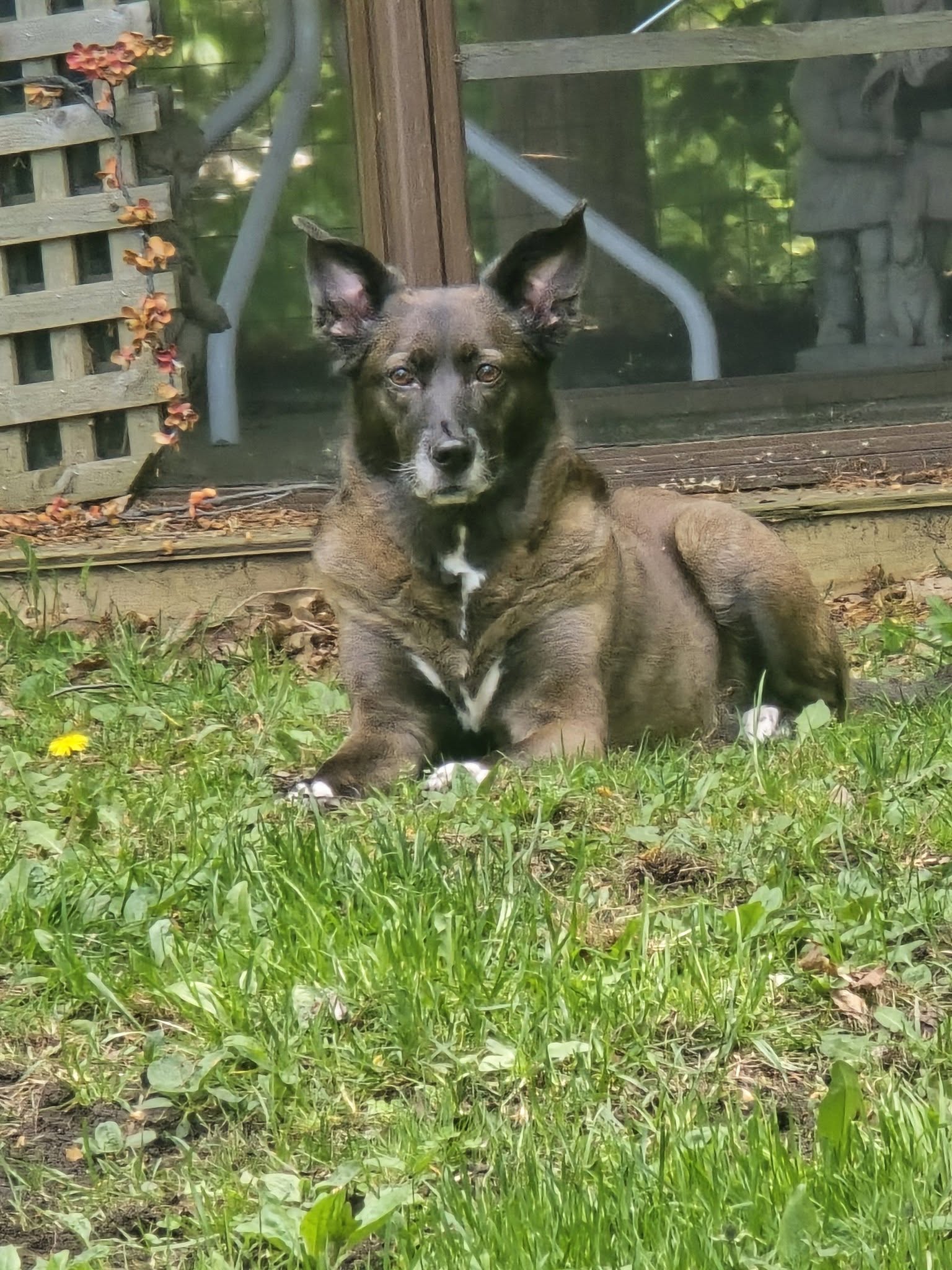
Want your pup to be featured here?
Join our Facebook group - Post Your Pooch!
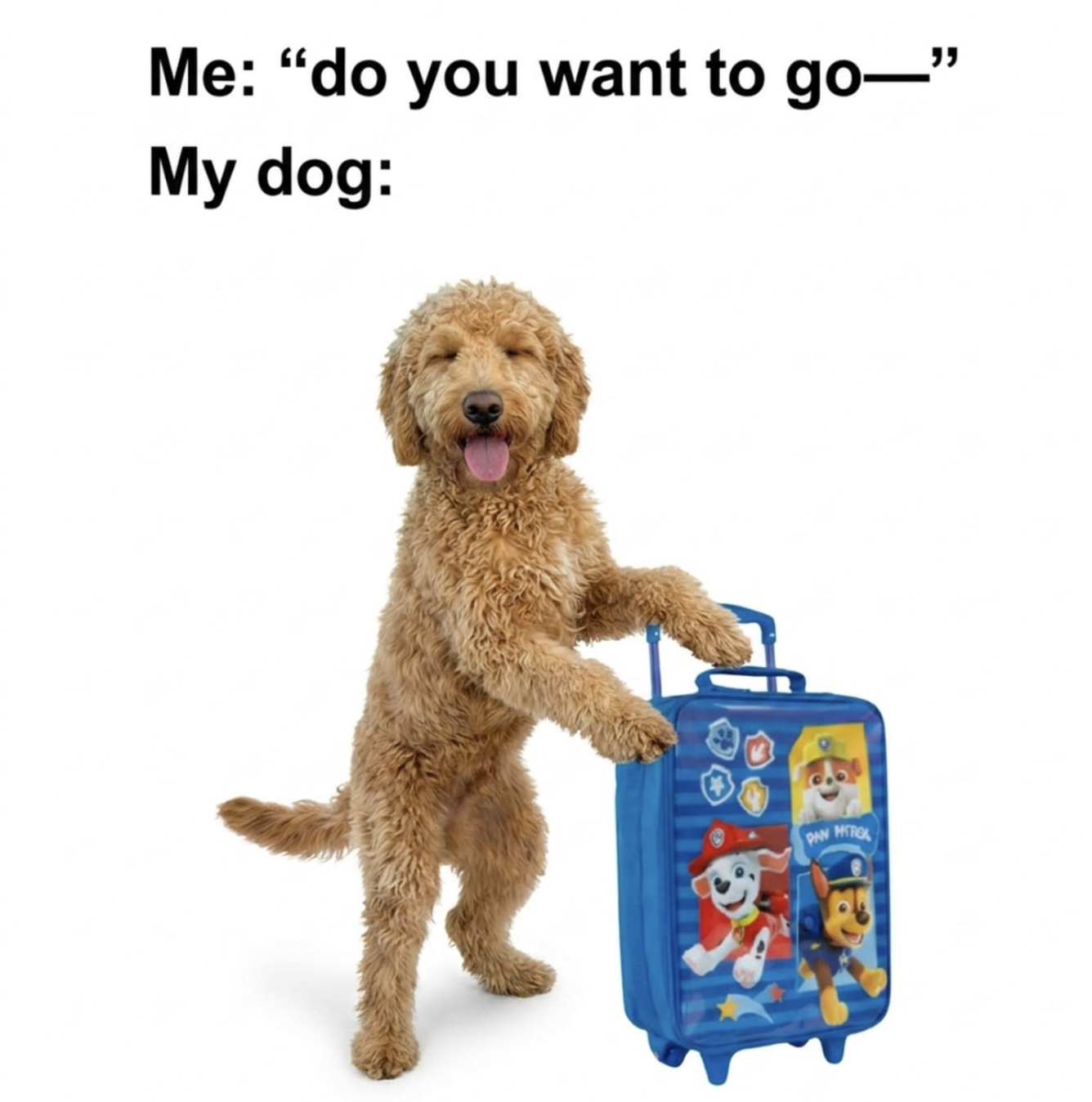
Meme of the day: Yes!
The Rewards Credit Card Made Just for Pet Parents
With vet costs rising 60% over the past decade, pets and pet parents both deserve a little relief.
Nibbles* is the first credit card that comes with pet insurance and 3x rewards at pet stores, pet services, and the vet. Plus, use the card anywhere else Mastercard is accepted for 1x rewards. Protect your pet and your wallet in one move. All those rewards mean more treats, too!
Reward Your Pet With The Nibbles Pet Rewards Credit Card!
*Nibbles is not a bank. The Nibbles Card is issued by Lead Bank. Other fees and T&Cs apply. Rewards & pet insurance offered by Nibbles, not Lead Bank. Base pet insurance policy paid for one eligible pet by Nibbles. See nibbles.com for details.
The Story Behind Your Senior Dog's Crusty Nose
There is something deeply comforting about a senior dog. The way they slowly find the sunniest patch on the living room rug, the gentle gray frosting dusting their muzzle, and the quiet, soulful gaze that tells you they know you better than anyone else does. They are our constants.
But as our loyal companions cross into their golden years, you might notice some subtle physical shifts. One common change that often takes pet parents by surprise is a transformation right at the center of their sweet faces: a dry, rough, or noticeably cracked nose.
If your old pup’s snout has lost its velvety, wet sheen and started looking a bit like a crusty cobblestone street, you aren't alone. Here is a look at why this happens and how you can help bring back their comfortable, boopable nose.

What is Causing the Crust?
When a dog's nose develops a thick, crusty, or cracked layer—especially on the top ridge—the most common culprit is a condition called nasal hyperkeratosis.
While that sounds like a scary medical term, it is actually just a fancy way of saying "too much keratin." Keratin is the tough, protective protein that makes up your own fingernails and hair, as well as your dog's claws and pads.
As dogs grow older, their bodies can occasionally go into overdrive, producing a surplus of keratin on the snout. Because the body doesn't shed this extra protein naturally, it builds up, dries out, and eventually cracks. It is essentially a heavy-duty callus on the nose.
Why Does It Happen More to Older Dogs?
Age brings about a few natural shifts that make hyperkeratosis much more likely:
- Slower Overall Shedding: Just like their joints, a dog's cellular renewal slows down with age. The natural process of sloughing off dead skin cells becomes less efficient.
- Dehydration and Reduced Moisture: Senior pups are often more prone to mild, chronic dehydration. Their bodies simply do not retain moisture quite as well as they used to.
- Less Active Self-Grooming: Licking the nose is a primary way dogs keep it clean and moist. An older dog dealing with mild arthritis or general fatigue might simply lick their nose less frequently throughout the day.
- Breed Genetics: While it can strike any senior dog, flat-faced (brachycephalic) breeds like French Bulldogs, Pugs, and Boxers, as well as Labradors and Golden Retrievers, are genetically much more prone to it as they age.
Is It Painful for Them?
In most mild to moderate cases, hyperkeratosis looks a lot worse than it feels. Your dog isn't necessarily in pain, though a very dry nose can feel tight and uncomfortable.
However, because a dog's sense of smell is their window to the world, a heavily crusty nose can slightly dull their ability to pick up scents. Furthermore, if the cracks become exceptionally deep, they can begin to bleed or harbor bacteria, which can lead to a painful infection.
When to call the vet: If you notice bleeding, deep fissures, a foul odor, or if your dog actively avoids having their snout touched because it hurts, it's time to let your veterinarian take a look. They can rule out underlying autoimmune issues or skin infections.
How You Can Help Your Golden Oldie
The great news is that standard age-related dry noses are incredibly easy to manage right from the comfort of your couch. You can significantly soften the crust and give them relief with a few gentle steps:
- Hydrate from the Inside Out: Ensure your senior pup has incredibly easy access to fresh water. If they have joint pain, consider elevating their water bowl so they don't have to lean down so far to drink.
- Apply a Safe, Natural Balm: Look for a dog-specific snout balm, or use skin-safe household oils like organic coconut oil, olive oil, or pure shea butter. Avoid anything with heavy fragrances or human lotions containing zinc oxide, which can be toxic if swallowed.
- Distract After Application: Gently rub the balm into the crusty areas. Because your dog will immediately want to lick it off, distract them right away with a high-value treat (like a lick mat with peanut butter) or a short game to give the oil a few minutes to soak in.
With a little bit of daily routine care, you can easily manage the cracks, keeping your senior companion comfortable, happy, and ready for all the gentle nose-boops they deserve.
|
|
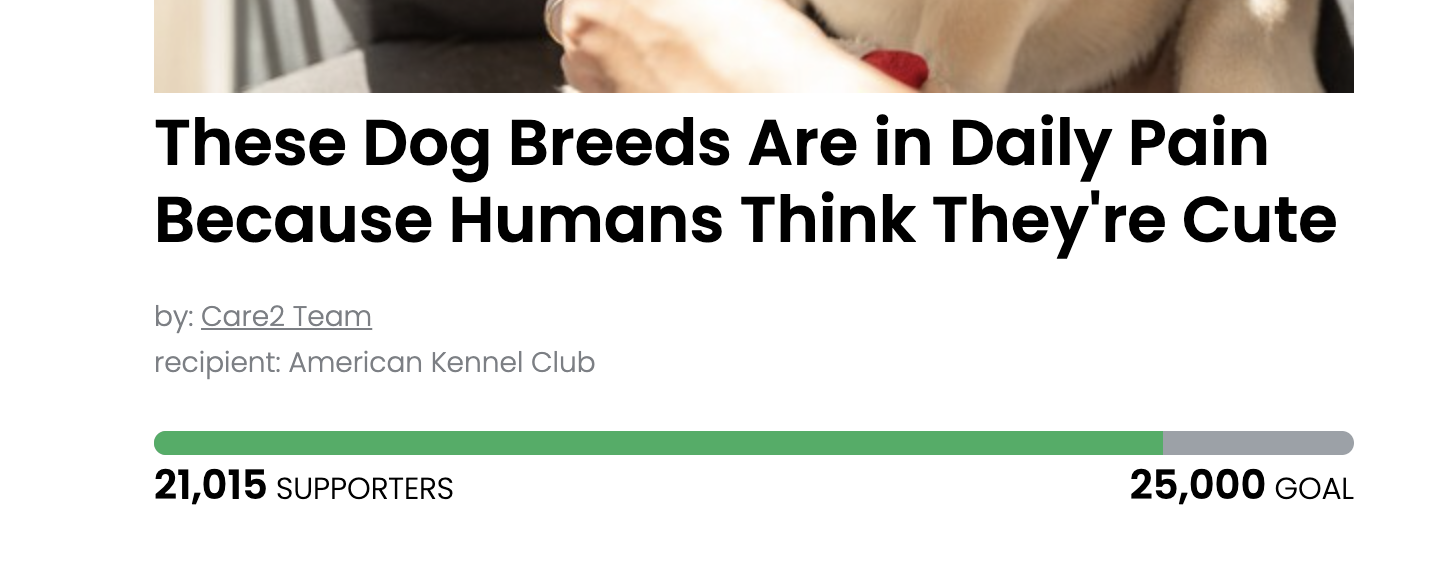
Take action for animals!
Stand up for responsible breeding!
*Petition description may be disturbing
Dog Food and Supplement Recalls
Here are the recent recalls and advisories:
- Raaw Energy - Dog Food: Potential Listeria Contamination
- Albright's Raw Pet Food - Chicken Recipe for Dogs: Potential Salmonella
Exposure
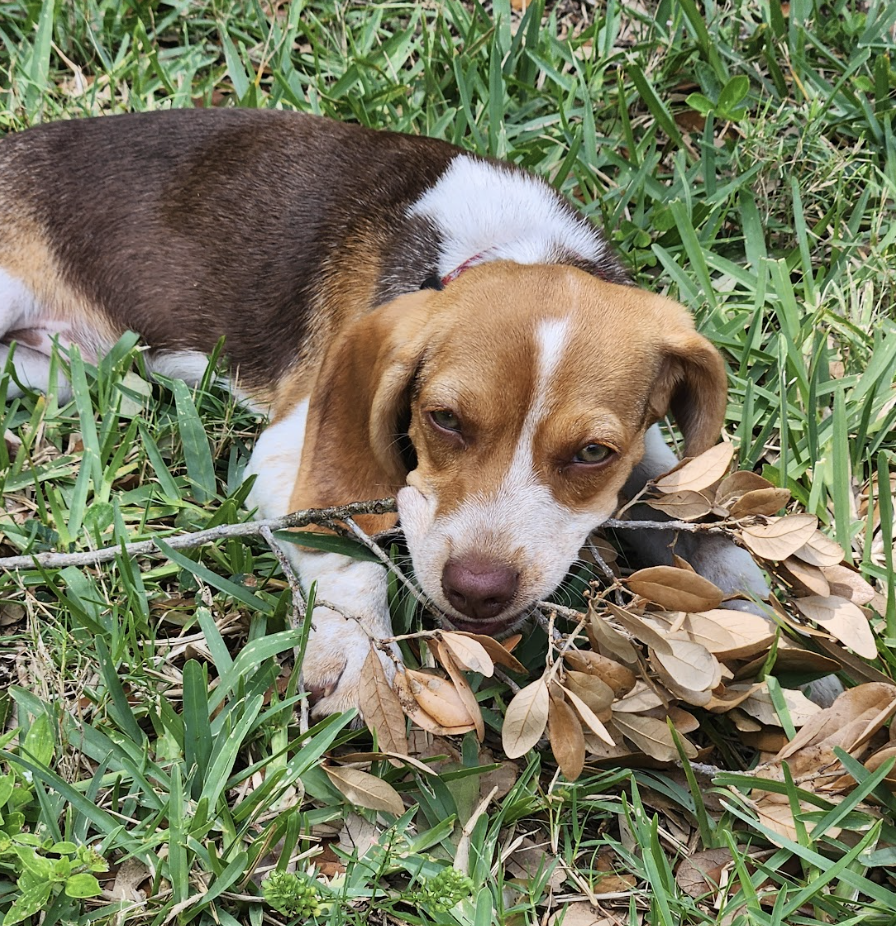
Family Photo of the Day: Argus!
Want to help find lost pets?
Download our RoverAlert app to receive notifications of missing pets in your area.
We want to feature your pup!
We want to share your pup with our pack. Email us your favorite doggy pic or video with your pup’s name, and we'll try to feature it as a family photo in one of our upcoming newsletters or on our Facebook page.
|
|