
🐶❤️🐶 Why do dogs sometimes breathe so hard while asleep? 🐶❤️🐶
In today's issue:
-Meet our dog of the day
-Enjoy a laugh with our dog meme of the day
-Get great information in our featured article
-Take our action of the week
-Check out our family photo of the day
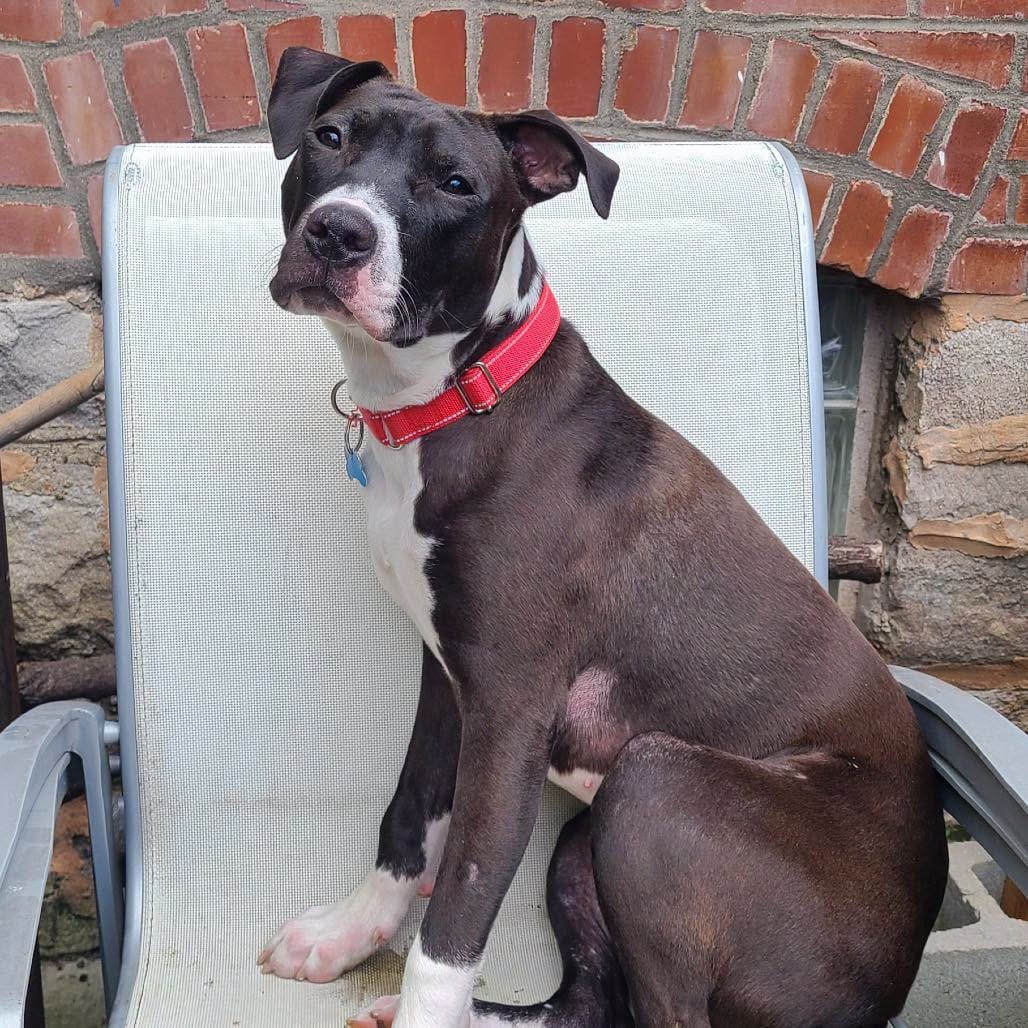
Adoptable Dog(s) of the Day: Italian Butter Cookie!
9-month-old pup who is adoptable from the Center for Animal Rescue and Enrichment of St. Louis
Want your pup to be featured here?
Join our Facebook group - Post Your Pooch!
Meme of the day: True!

12 Dumbest Things Smart Americans Waste Money On
You’re smart about saving money, like shopping clearance racks, limiting eating out, and choosing affordable streaming services. However, there are still some cost-cutting tips you might not know yet. Once you discover these, you could quickly find extra cash in your pocket.
Why Dogs Sometimes Breathe Hard in Their Sleep
Every dog parent knows the scene: your pup is curled up on their bed, peacefully fast asleep, when suddenly their chest starts rising and falling rapidly. Maybe their paws twitch, their lips flutter, or they emit tiny muffled huffs. While seeing your dog pant or breathe heavily while sleeping can make your heart leap for a second, it is usually a harmless peek into their inner world.
Here is a look at what is happening under the fur when your sleeping dog starts breathing fast, along with a few subtle signs to keep in mind.

They Are Lost in a Vivid Dream
Just like humans, dogs pass through several stages of sleep, including Rapid Eye Movement (REM) sleep. About 20 minutes after falling asleep, a dog enters REM, where brain activity surges.
During this phase, your dog’s mind is likely processing the day's events:
- Chasing squirrels or galloping through an open field
- Playing fetch at top speed
- Sniffing out hidden treasures in the backyard
As their dream-self runs, their heart rate increases and their breathing speeds up to match the action. You may also see soft paw twitches, gentle tail wags, or quiet soft barks.
Cooling Down Their Core Temperature
Dogs do not sweat through their skin the way humans do—their primary method of thermal regulation is panting. If your pup played hard before bedtime, if the room is a bit warm, or if they are curled up under a thick blanket, they might pant softly while sleeping to shed excess body heat.
Tip: If you suspect heat is the culprit, check if they are seeking out cool tile floors or stretching out flat on their stomach ("splooting") to cool down.
Age and Physiology
- Puppies: Young dogs have higher resting heart and respiratory rates than adult dogs. Their nervous systems are still developing, and they tend to experience intense REM cycles, making rapid sleep breathing very common.
- Brachycephalic Breeds: Dogs with short snouts (such as French Bulldogs, Pugs, and Boxers) naturally have narrower airways. They often breathe more heavily, snore, or puff while sleeping due to their facial structure.
Normal Sleep Breathing vs. Potential Warning Signs
To help tell whether your dog's rapid breathing is normal sleep activity or something requiring attention, consider these quick indicators:
| Sign | Likely Normal (Dreaming / Cooling) | Worth Checking With a Vet |
| Duration | Comes in short bursts (lasts 1–10 minutes during REM). | Continuous, rapid, or labored breathing that doesn't slow down. |
| Wakefulness | Wakes up easily, bright-eyed, and alert when called. | Difficult to wake up, lethargic, or disoriented upon waking. |
| Physical Effort | Chest moves quickly, but breathing looks effortless. | Abdomen works hard to push air out; neck extended to breathe. |
| Gum Color | Healthy pink gums. | Blue, pale, purple, or bright red gums. |
| Other Symptoms | Normal energy levels when awake. | Coughing, fever, loss of appetite, or wheezing. |
When to Reach Out to Your Vet
While most heavy sleep breathing is harmless, persistent heavy breathing—known as dyspnea or tachypnea—can sometimes signal an underlying medical issue, such as respiratory infections, asthma, heart conditions, or pain.
If your dog's breathing stays unusually fast (persistently over 30–40 breaths per minute while fully relaxed and not dreaming), or if it is accompanied by coughing or weakness, take a quick video of the behavior to share with your veterinarian. Having a visual clip helps your vet make an accurate assessment and gives you total peace of mind.
|
|
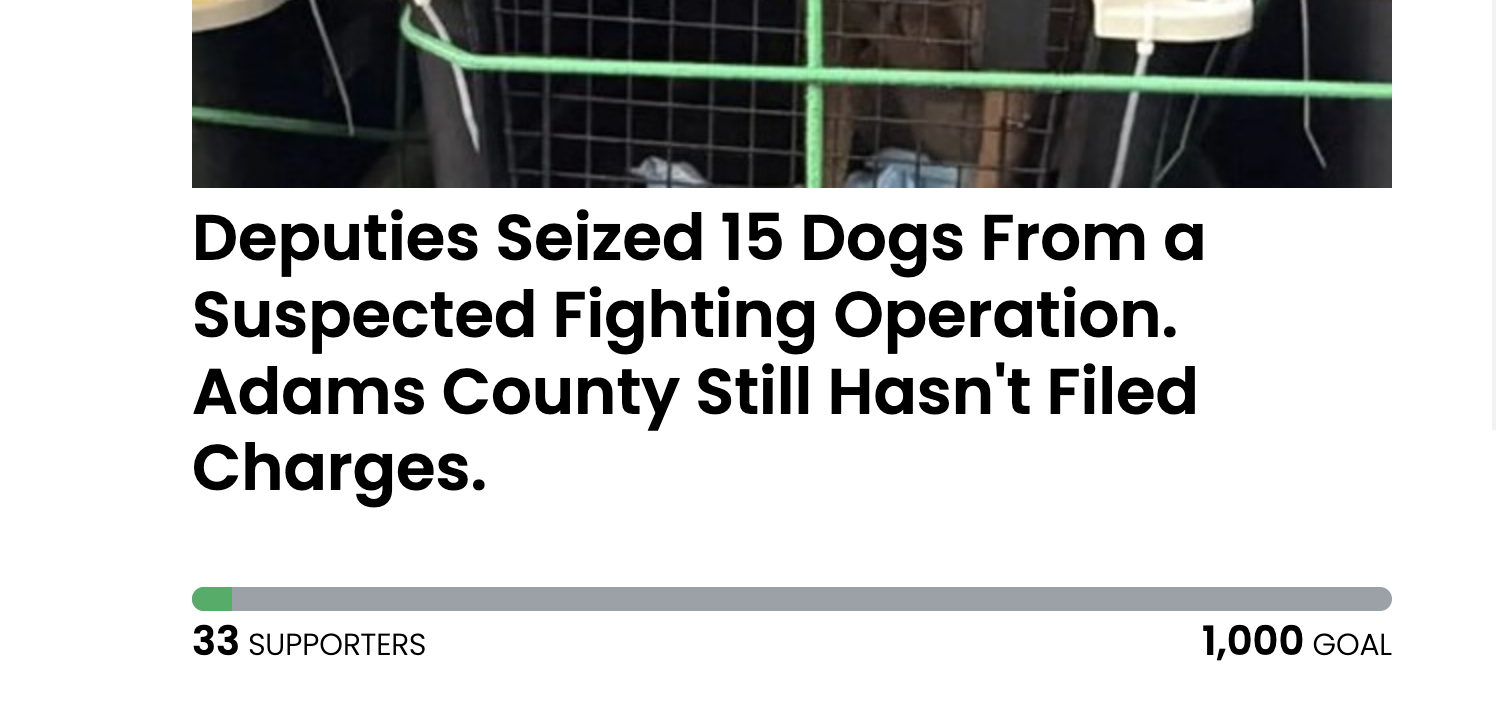
Take action for animals!
Demand justice for these pups!
Dog Food and Supplement Recalls
Here are the recent recalls and advisories:
- Pedigree - High Protein Chopped Chicken & Duck Flavor Wet Dog Food: Potential plastic contaminants
- Steve's Real Food - Freeze-Dried Chicken Recipe Cat and Dog Food: Possible Low Thiamine Levels (B1)
- Raaw Energy - Dog Food: Potential Listeria Contamination
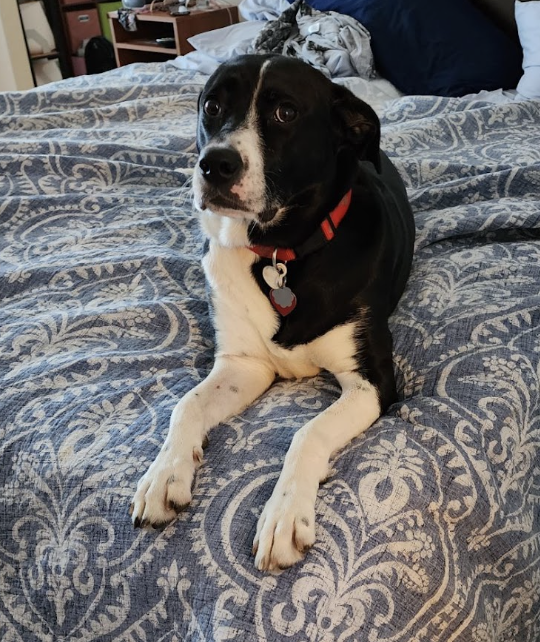
Family Photo of the Day: Iris!
Want to help find lost pets?
Download our RoverAlert app to receive notifications of missing pets in your area.
We want to feature your pup!
We want to share your pup with our pack. Email us your favorite doggy pic or video with your pup’s name, and we'll try to feature it as a family photo in one of our upcoming newsletters or on our Facebook page.
|
|