
🐶❤️🐶 Why do dogs bite at their tails? 🐶❤️🐶
In today's issue:
-Meet our dog of the day
-Enjoy a laugh with our dog meme of the day
-Get great information in our featured article
-Take our action of the week
-Check out our family photo of the day
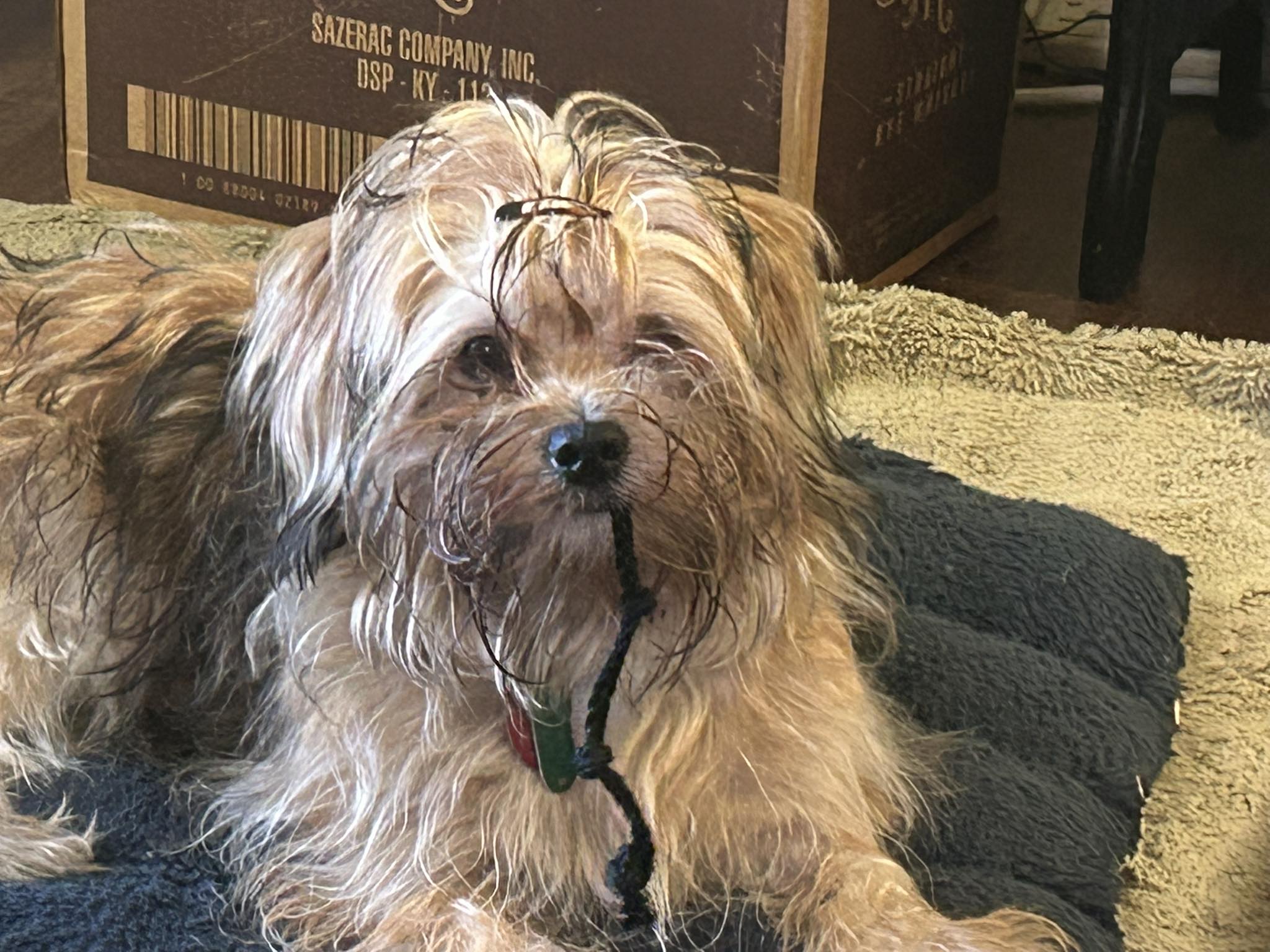
Dog(s) of the Day: Kevin!
Want your pup to be featured here?
Join our Facebook group - Post Your Pooch!
Meme of the day: They know!

Your skin changed. Your skincare should too.
In your 40s and 50s, your skin loses estrogen, and with it, collagen, elasticity, and hydration. Other skincare doesn't treat the root cause. Alloy's M4 line does. It's powered by prescription-strength estriol, a safe, topical form of estrogen that's clinically proven to rebuild what menopause takes away.
It delivers real results in hydration, elasticity, and overall skin health in just 12 weeks. Doctor-prescribed, HSA/FSA eligible, and delivered to your door.
Wellput readers get $20 off their first Alloy order with code NEWSLETTER20. Complete your intake today and start seeing results in weeks.
Why Our Dogs Bite Their Own Tails
Few things match the sheer, unbridled joy of watching a puppy catch sight of their own tail. It is a classic comedy routine: the frantic spinning, the look of intense focus, and finally—gotcha!—the triumphant, slightly confused nip at the prize.
But while occasional tail-chasing looks like a harmless game, it can sometimes turn into a repetitive, intense biting habit. When your furry best friend starts targeting their tail with an edge of frustration, it leaves many of us wondering: What is actually going on back there?
As it turns out, our dogs use their tails to communicate with the world—but when they start biting them, they are usually trying to communicate with us.

The Literal "Bug" in the System: Parasites and Pests
Before diving into your dog’s emotional state, it is always best to check for uninvited guests. The base of the tail and the lower back are absolute prime real estate for fleas and ticks.
Even a single flea bite can trigger flea allergy dermatitis—an intense, allergic reaction that makes a dog's skin incredibly itchy. If your dog is suddenly swirling around and aggressively nipping at the root of their tail, a quick comb-through or a chat with your vet about parasite prevention is the perfect first step.
A Cry for Cooldown: Allergies and Skin Irritations
Just like us, dogs can suffer from environmental or food allergies. When a dog has an allergic flare-up, the itchiness often concentrates around their paws, belly, and—you guessed it—the base of the tail. Biting and chewing the area provides temporary relief, but it can quickly create a painful cycle by breaking the skin and causing hot spots (localized skin infections).
The Uncomfortable Truth: Impacted Anal Glands
It isn't the most glamorous topic, but it is a vital one for dog parents. Dogs have small sacs on either side of their anatomy called anal glands. Normally, these empty naturally. However, if they become blocked or inflamed, it causes significant discomfort. Because a dog can't reach the exact spot with their teeth, they will often bite at the base of their tail or "scoot" across the carpet to relieve the pressure.
Boredom and the Need for Speed
Dogs are active, intelligent creatures who need a job to do. If they are left alone for long stretches or don't get enough physical and mental exercise, that pent-up energy has to go somewhere.
A spinning, tail-biting dog might simply be creating their own entertainment. It’s their way of saying, "Hey, I'm bored, and this fluffy thing keeps following me around!"
When It Becomes a Habit: In rare cases, persistent tail-biting can cross over into a compulsive behavior, similar to human nail-biting, often triggered by underlying anxiety or past stress.
How You Can Help Your Best Friend
If you notice your pup turning into a spinning top a little too often, here is a gentle roadmap to help them find relief:
- Do a Physical Check: Gently part the fur at the base of the tail. Look for red skin, flakes, little black specks (flea dirt), or missing hair.
- Up the Playtime: Try introducing puzzle toys, longer walks, or training sessions. A tired dog is a happy, tail-resting dog.
- Avoid Scolding: If the behavior is driven by anxiety or boredom, scolding can actually increase their stress and make the biting worse. Instead, calmly redirect them with a favorite toy or a command like "sit" followed by a treat.
- Consult the Vet: If the biting is breaking the skin, or if you suspect allergies or gland issues, your vet can easily pinpoint the cause and provide targeted relief—whether that’s a soothing ointment, an allergy plan, or a quick expression of those pesky glands.
At the end of the day, a dog’s tail is a barometer for their well-being. By paying close attention to when and why they chase it, we can make sure our pups stay comfortable, healthy, and happy from nose to tail.
|
|
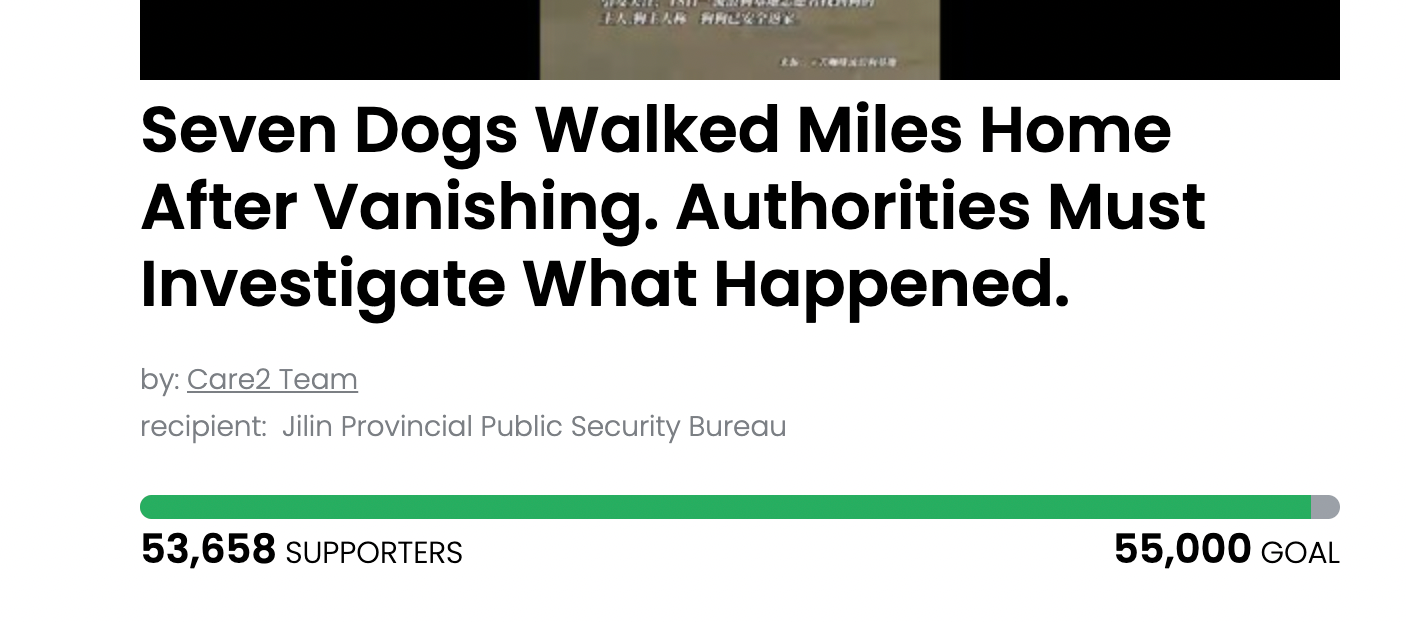
Take action for animals!
Find out what happened to these dogs!
Dog Food and Supplement Recalls
Here are the recent recalls and advisories:
- Albright's Raw Pet Food - Chicken Recipe for Dogs: Potential Salmonella exposure
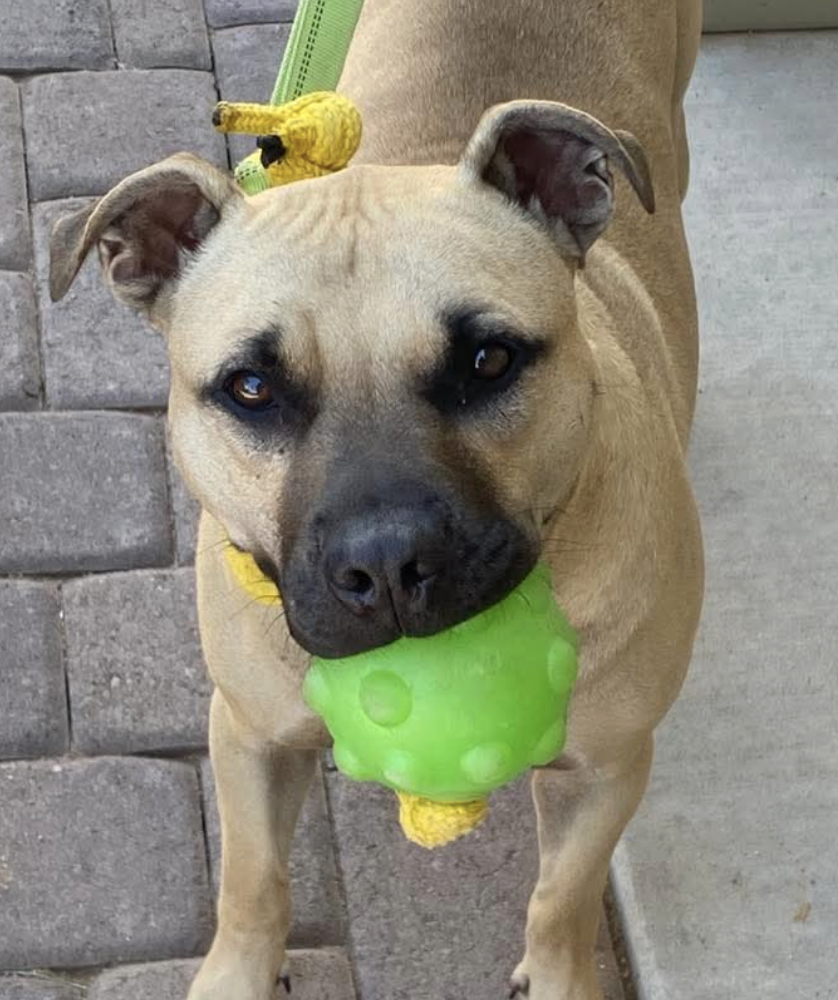
Family Photo of the Day: Dodger!
Want to help find lost pets?
Download our RoverAlert app to receive notifications of missing pets in your area.
We want to feature your pup!
We want to share your pup with our pack. Email us your favorite doggy pic or video with your pup’s name, and we'll try to feature it as a family photo in one of our upcoming newsletters or on our Facebook page.
|
|