
🐶❤️🐶 How do pups get colitis? 🐶❤️🐶
In today's issue:
-Meet our dog of the day
-Enjoy a laugh with our dog meme of the day
-Get great information in our featured article
-Take our action of the week
-Check out our family photo of the day
Adoptable Dog(s) of the Day: Royal Plum!
8-year-old pup adoptable from Muttville Senior Dog Rescue in San Francisco, California.

Want your pup to be featured here?
Join our Facebook group - Post Your Pooch!
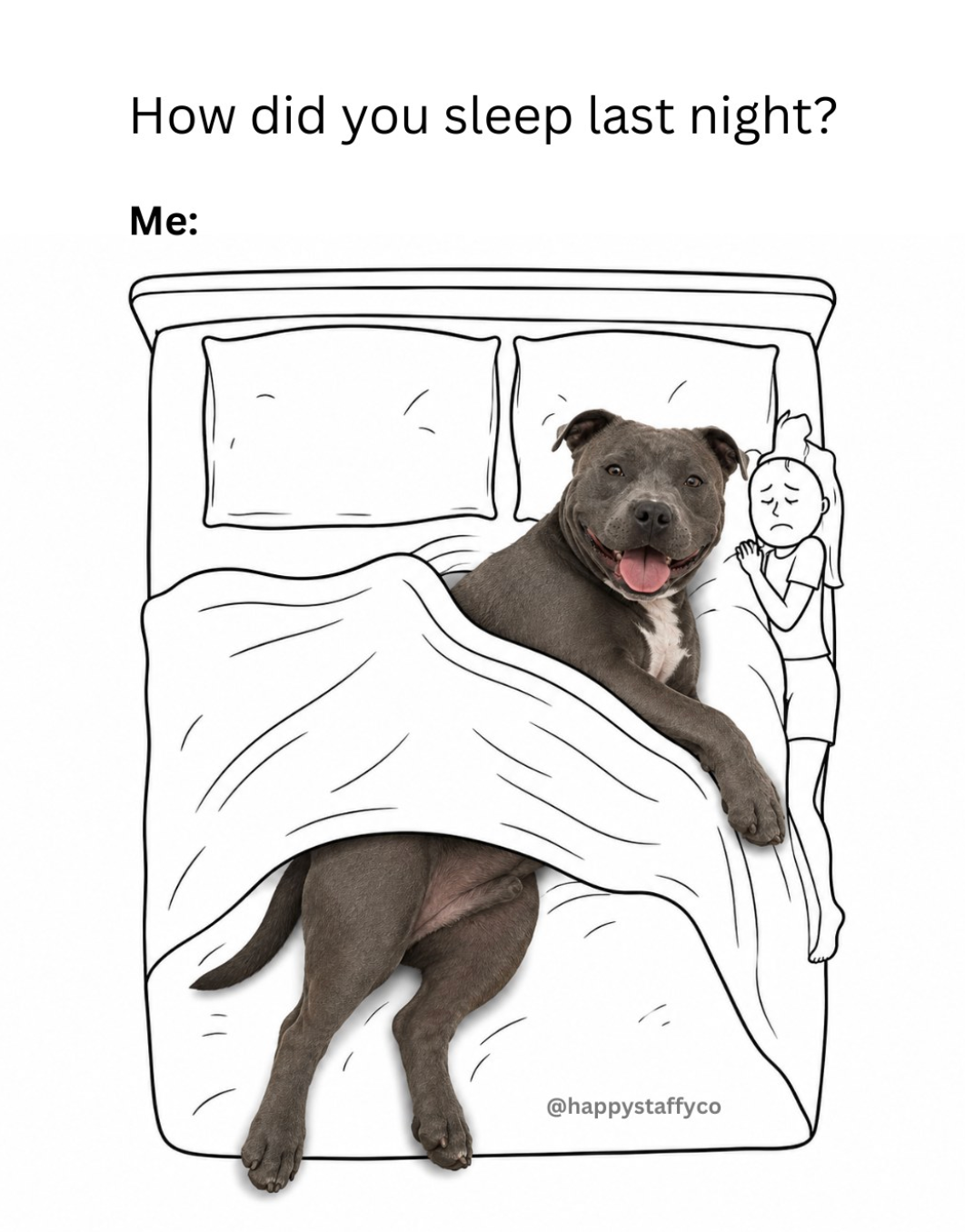
Meme of the day: Every night!
12 Surprising Money Mistakes Even Smart People Make
You’re smart about saving money, like shopping clearance racks, limiting eating out, and choosing affordable streaming services. However, there are still some cost-cutting tips you might not know yet. Once you discover these, you could quickly find extra cash in your pocket.
What’s Really Causing Your Dog’s Colitis?
If you’ve ever noticed your usually vibrant pup suddenly needing urgent, middle-of-the-night bathroom breaks, looking uncomfortable, or passing soft stool with streaks of mucus or light red blood, it can be downright terrifying. Your mind naturally jumps to the worst-case scenario.
First, take a deep breath. What your dog is likely experiencing is colitis—a very common, highly treatable condition that simply means the colon (the large intestine) has become inflamed.
When the colon is irritated, it loses its ability to absorb water properly and store waste smoothly. The result? Frequent, urgent trips outside and lots of straining. To help you get to the bottom of your pup’s belly blues, here is a look at the most common reasons doggy colons get upset.

What Causes Canine Colitis?
Colitis isn't a single disease on its own; rather, it’s a symptom that something is throwing off your dog’s digestive balance. The causes usually fall into a few clear categories:
Dietary Indiscretion ("Garbage Gut")
Dogs explore the world with their mouths, which means they occasionally consume things they shouldn't.
- Table scraps & fat: Rich, greasy human foods can severely irritate the intestinal lining.
- Unapproved "snacks": Spoiled trash, counter-surfed treats, dead critters, or random items found on walks.
- Sudden diet changes: Switching your dog's food brand or protein source without a gradual transition over 7 to 10 days can shock their gut flora (the natural healthy bacteria in their belly).
Stress & Anxiety (Stress Colitis)
Just like humans can get an "upset stomach" before a big public speech, a dog's gut is directly tied to their emotional state. Stress colitis is surprisingly common and often pops up after:
- Boarding or staying at a kennel
- Moving to a new home or traveling
- Fireworks, thunderstorms, or big party gatherings
- A recent vet visit or changes in household routine
Parasites and Infections
Unwanted microscopic invaders are notorious for setting up shop in the lower digestive tract and causing inflammation:
- Parasites: Organisms like Giardia, whipworms, hookworms, and roundworms are common culprits, especially in dogs who visit dog parks, daycare, or outdoor puddles.
- Bacterial Overgrowth: Harmful bacteria like Salmonella, E. coli, or Campylobacter can disrupt the normal gut microbiome.
Food Allergies and Intolerances
Sometimes, the culprit isn't a bad trash dive—it's a regular ingredient in their daily bowl. Chronic or recurring colitis can be triggered by an allergy or sensitivity to specific proteins (like chicken, beef, or dairy) or grain ingredients.
Intestinal Diseases & Autoimmune Conditions
If colitis keeps coming back despite a clean diet and negative parasite tests, an underlying medical condition might be at play:
- Inflammatory Bowel Disease (IBD): A chronic condition where immune cells invade the intestinal wall.
- Pancreatitis: Inflammation of the pancreas that often spills over into broader gastrointestinal distress.
Medications & Toxins
Certain medications, particularly non-steroidal anti-inflammatory drugs (NSAIDs) or heavy rounds of antibiotics, can irritate the stomach lining or wipe out the beneficial bacteria needed for healthy digestion.
When Should You Call the Vet?
While a mild case of stress- or diet-related colitis often resolves in a few days with a bland diet (like plain boiled chicken and white rice), you should always reach out to your veterinarian if you notice any of these red flags:
Call your vet if you notice:Lethargy, weakness, or loss of appetitePersistent vomiting alongside diarrheaSignificant amounts of dark, tarry blood (which points to upper digestive bleeding)Diarrhea that lasts longer than 24–48 hoursSigns of dehydration (pale, dry gums or sunken eyes)
The Bottom Line
Seeing your four-legged family member uncomfortable is hard, but the good news is that most cases of colitis clear up quickly with proper care. Whether it requires a quick course of meds from the vet, a temporary bland diet, or just a little extra TLC and quiet time after a stressful week, your pup will usually be back to their happy, tail-wagging self in no time!
|
|
Take action for animals!
Stop the subsidizing of meat farms in the EU

Dog Food and Supplement Recalls
Here are the recent recalls and advisories:
- Pedigree - High Protein Chopped Chicken & Duck Flavor Wet Dog Food: Potential plastic contaminants
- Steve's Real Food - Freeze-Dried Chicken Recipe Cat and Dog Food: Possible Low Thiamine Levels (B1)
- Raaw Energy - Dog Food: Potential Listeria Contamination
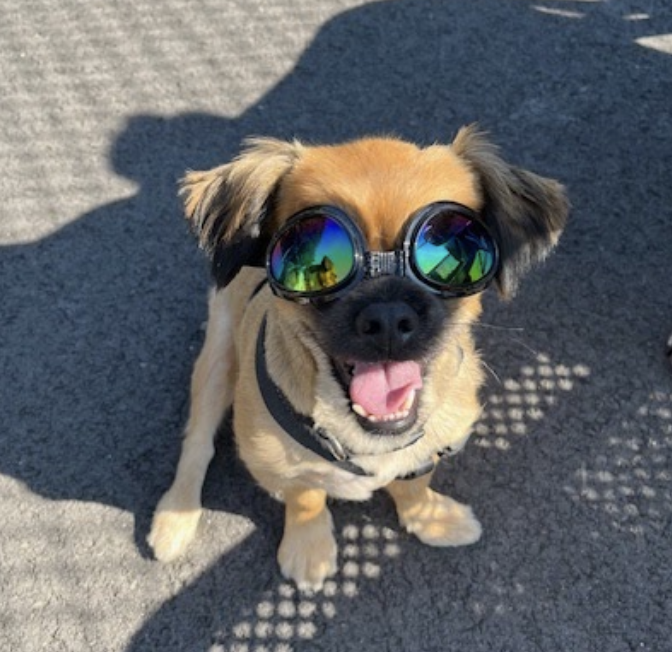
Family Photo of the Day: Rocky!
Want to help find lost pets?
Download our RoverAlert app to receive notifications of missing pets in your area.
We want to feature your pup!
We want to share your pup with our pack. Email us your favorite doggy pic or video with your pup’s name, and we'll try to feature it as a family photo in one of our upcoming newsletters or on our Facebook page.
|
|