
🐶❤️🐶 Why do dogs age differently from humans? 🐶❤️🐶
In today's issue:
-Meet our adoptable dog of the day
-Enjoy a laugh with our dog meme of the day
-Get great information in our featured article
-Take our action of the week
-Check out our family photo of the day
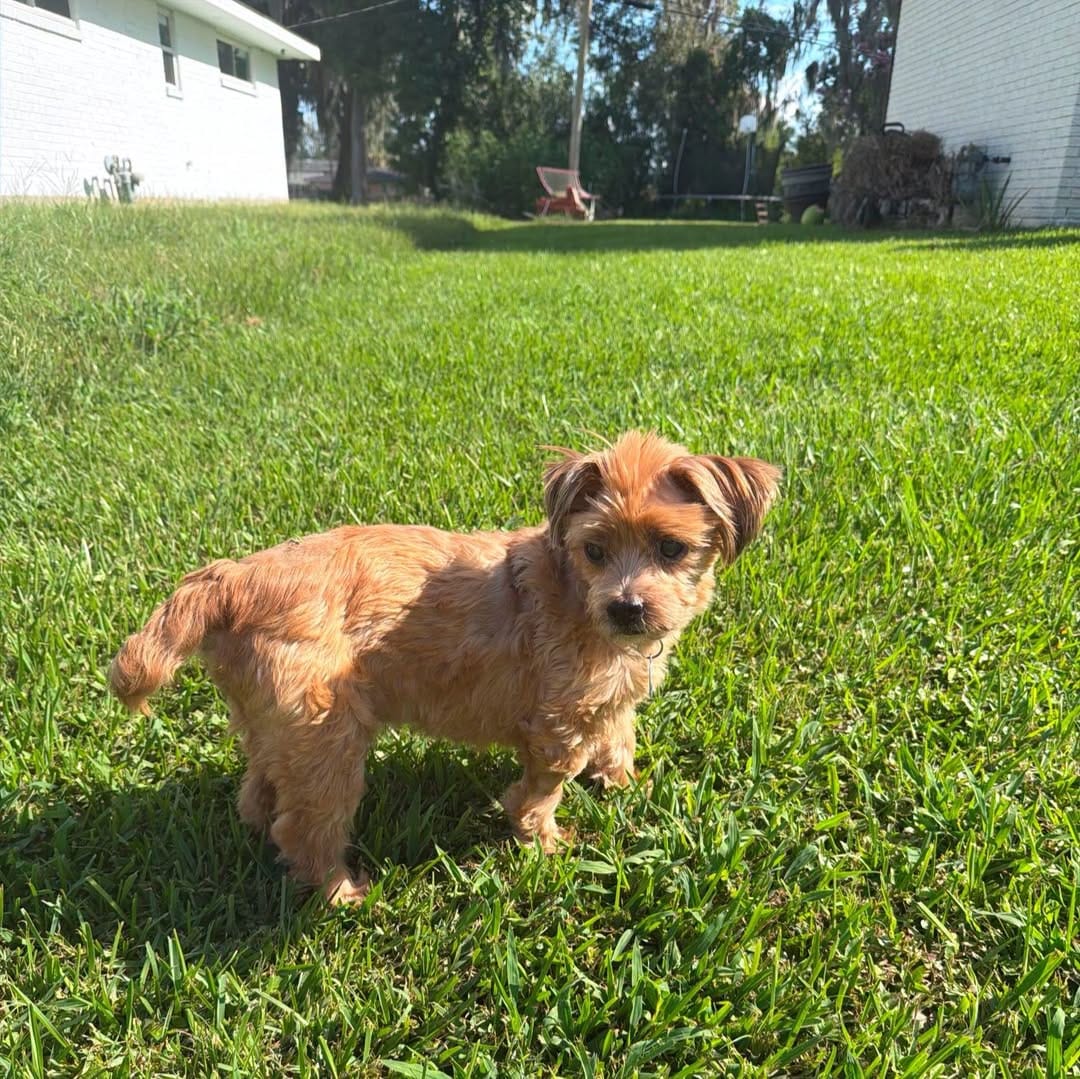
Adoptable Dog(s) of the Day: Abshire!
13-year-old Lovable pup adoptable from Greta's Ark Animal Rescue in Luling, Louisiana
Want your pup to be featured here?
Join our Facebook group - Post Your Pooch!
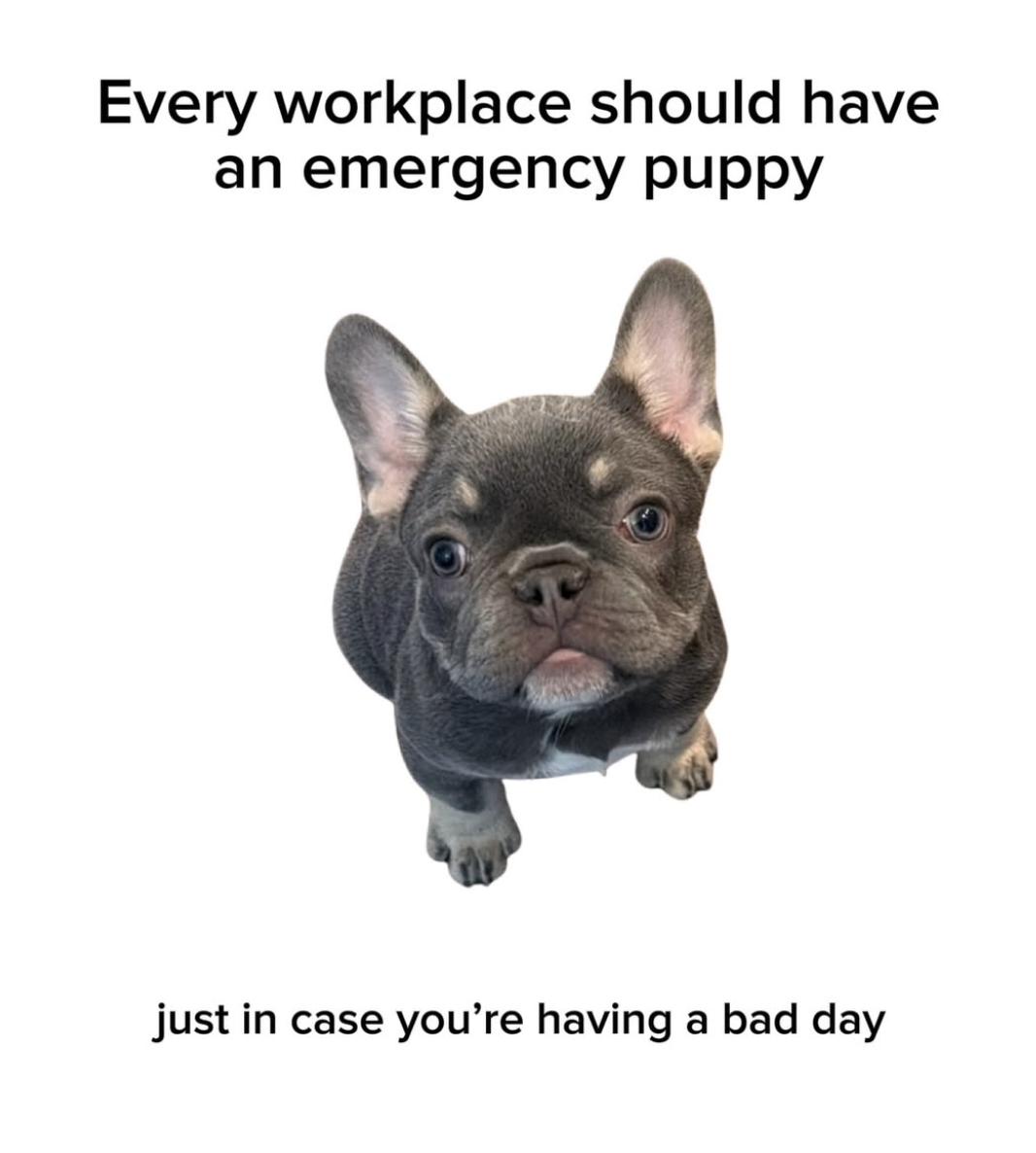
Meme of the day: It's true!
12 Surprising Money Mistakes Even Smart People Make
You’re smart about saving money, like shopping clearance racks, limiting eating out, and choosing affordable streaming services. However, there are still some cost-cutting tips you might not know yet. Once you discover these, you could quickly find extra cash in your pocket.
Why Our Dogs Age on Their Own Timeline
At one year, a pup is a hyperactive blur of clumsy paws and chewed sneakers; a few blinks later, hints of white appear around their muzzle, and they start choosing the sunniest spot on the rug over a game of fetch. It is a transformation that feels both beautifully rich and unfairly fast.
We often try to make sense of this quickened journey using the old "seven dog years to one human year" rule, but biology turns out to be far more nuanced—and fascinating—than a simple multiplication table.

The High-Speed Start
Dogs do not age in a straight, steady line. Instead, their lives are front-loaded with incredible developmental speed. During their first two years, a puppy blossoms into an adult at a breakneck pace. A one-year-old dog has already reached the biological equivalent of a human teenager, complete with adult teeth, full mobility, and plenty of youthful rebellion. By age two, they settle into the equivalent of their mid-twenties.
This rapid early start is an evolutionary holdover. In the wild, maturing quickly is survival strategy 101, allowing animals to protect themselves and contribute to the pack as soon as possible.
Size Shapes the Journey
Once adulthood hits, the biological clock branches off depending on a factor humans rarely think about: body size. In most of the animal kingdom, bigger species live longer—elephants outlive mice by decades. But domestic dogs flip this rule entirely on its head.
- Small Breeds (Chihuahuas, Toy Poodles): These compact companions age like fine wine. Their bodies experience lower metabolic strain over time, allowing them to remain in their prime well into their teens.
- Large & Giant Breeds (Great Danes, Mastiffs): Larger dogs grow at an astonishing rate from puppyhood, putting immense physiological workload on their cells, joints, and organs. Because their bodies work so hard just to maintain their size, they age at a much accelerated rate.
The Epigenetic Clock
At a cellular level, aging is driven by DNA methylation—chemical tags that attach to genes over time, altering how they function. Researchers studying canine DNA have found that while dogs accumulate these biological age marks rapidly in their early years, the process tapers off as they enter middle age. Their internal clock moves in a logarithmic curve: a sprint at first, followed by a steady, gentle stroll.
While we cannot slow their biological clock, understanding its rhythm helps us cherish every stage. Those frosted muzzles and slower mornings aren't just signs of time passing—they're badges of a life filled with loyalty, warm naps, and unconditional love.
|
|
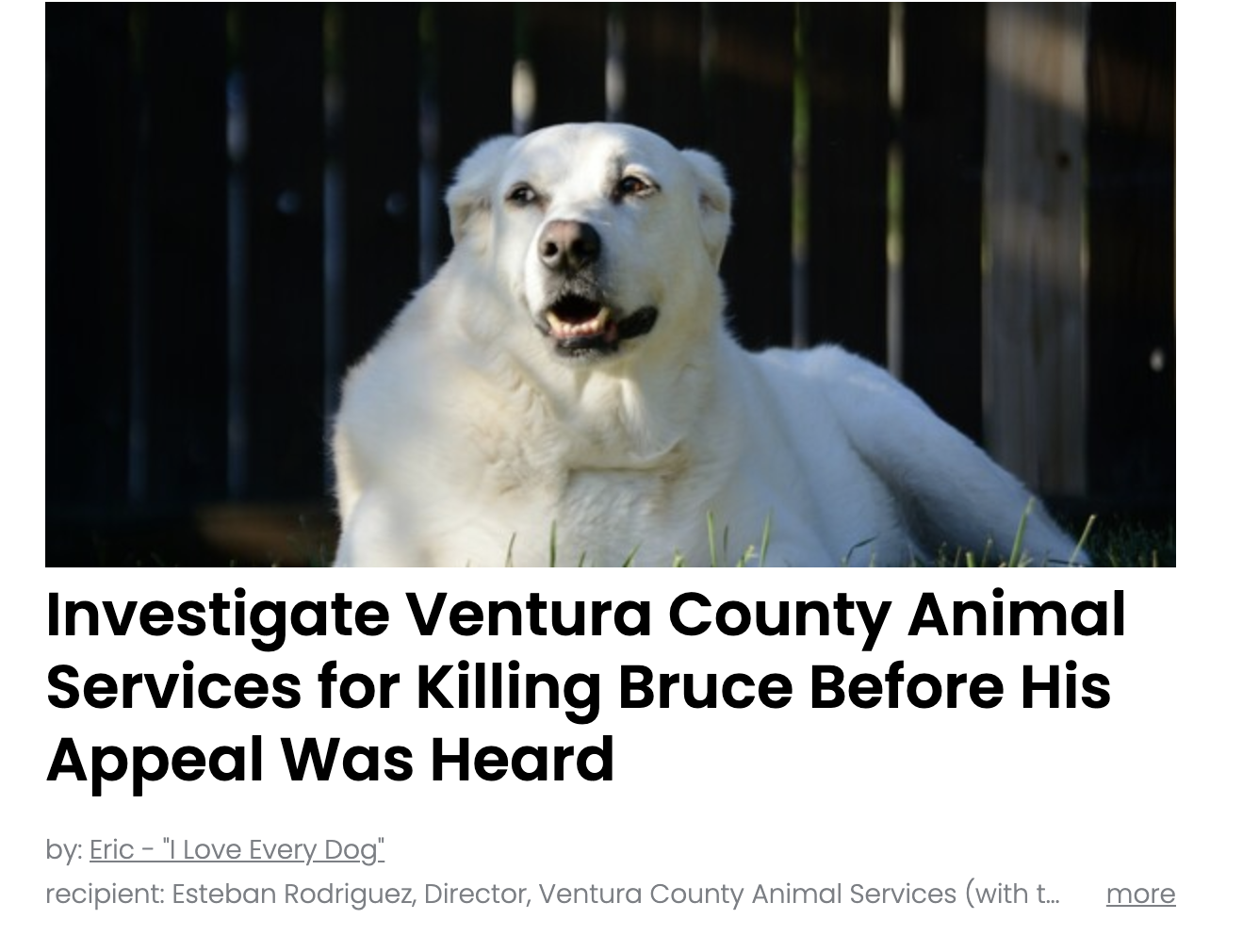
Take action for animals!
Demand justice for Bruce!
*petition description may be disturbing
Dog Food and Supplement Recalls
Here are the recent recalls and advisories:
- Oma's Pride - Canine Food: Contaminated with Salmonella
- Pedigree - High Protein Chopped Chicken & Duck Flavor Wet Dog Food: Potential Plastic Contaminants
- Steve's Real Food - Freeze-Dried Chicken Recipe Cat and Dog Food: Possible Low Thiamine Levels (B1)
- Raaw Energy - Dog Food: Potential Listeria Contamination
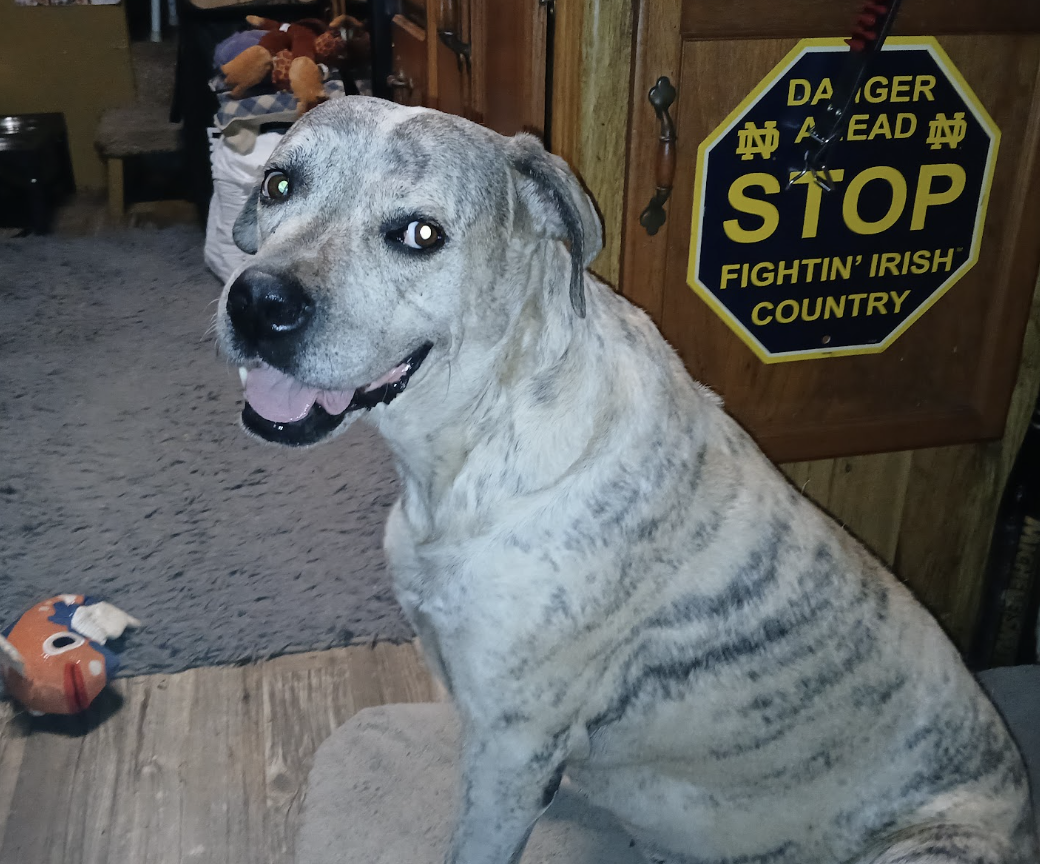
Family Photo of the Day: Sparkie!
Want to help find lost pets?
Download our RoverAlert app to receive notifications of missing pets in your area.
We want to feature your pup!
We want to share your pup with our pack. Email us your favorite doggy pic or video with your pup’s name, and we'll try to feature it as a family photo in one of our upcoming newsletters or on our Facebook page.
|
|