🐶❤️🐶 What is 'hard eye' in dogs? 🐶❤️🐶
In today's issue:
-Meet our adoptable dog of the day
-Enjoy a laugh with our dog meme of the day
-Get great information in our featured article
-Take our action of the week
-Check out our family photo of the day
Adoptable Dog(s) of the Day: Cat's Meow!
3-year-old lovable pup in need of a forever home from Hounds in Pounds in Allendale, New Jersey.
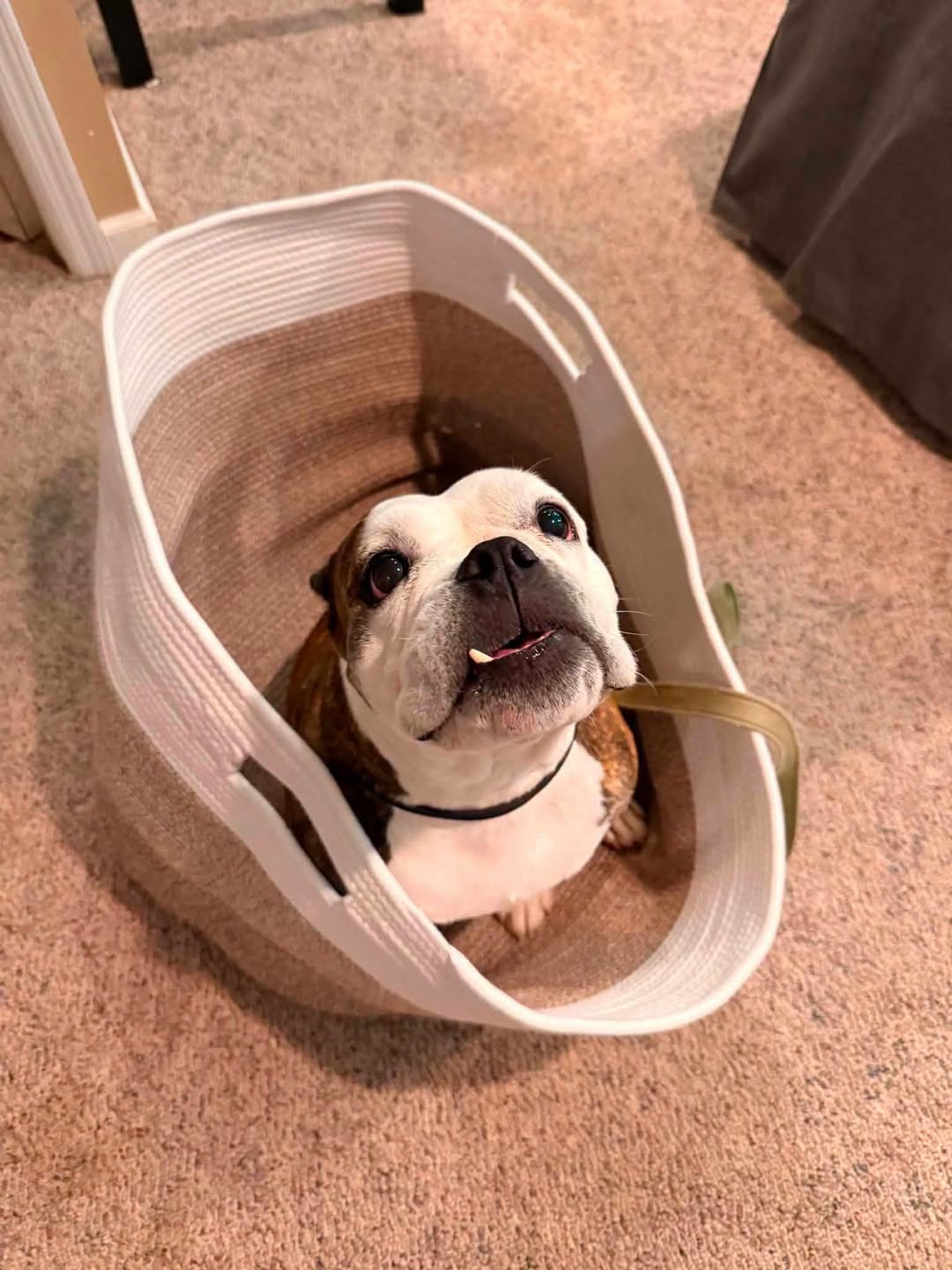
Want your pup to be featured here?
Join our Facebook group - Post Your Pooch!
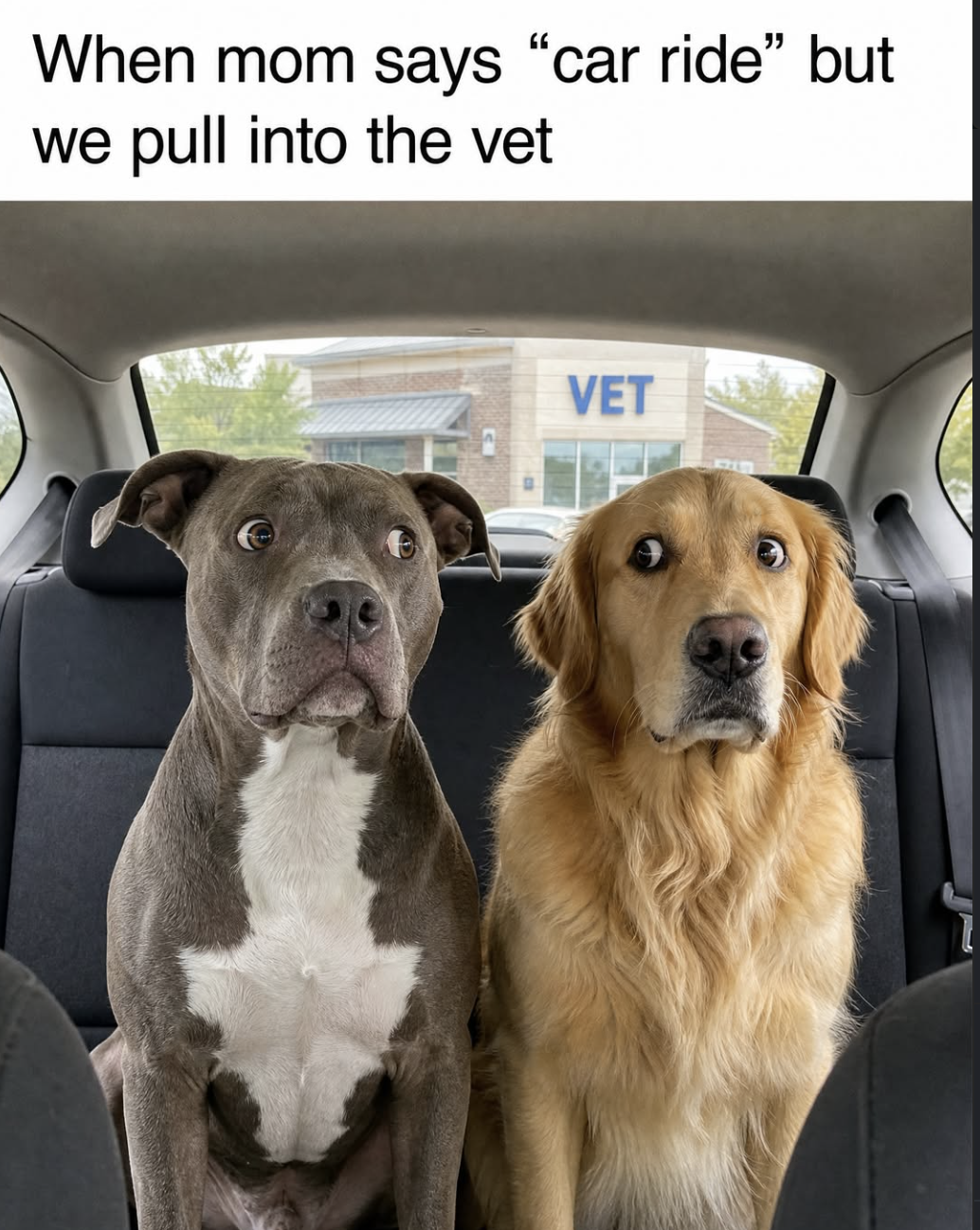
Meme of the day: Uh-oh!
Protect against rising vet costs with pet insurance
The cost of veterinary services has been rising recently, with some common surgical procedures costing up to $7,000. Pet insurance can help cover accidents, illnesses, and even routine care, with some plans reimbursing up to 90% of costs. Money's Best Pet Insurance list can help you find affordable coverage starting at just $10 a month so you can focus on what matters most – your furry friend's well-being.
What a "Hard Eye" Really Means for Your Dog
We often think we understand our dogs completely. A wagging tail means joy, a whine means they want attention, and a yawn means they are sleepy, right? Well, not always. Canine communication is a subtle, rich language of micro-expressions, and one of the most critical signals a dog can give you is also one of the most misunderstood: the "hard eye."
If you have ever caught your pup locking a cold, unblinking gaze on a toy, a stranger, or even you, you might have witnessed a hard eye. But what is it, why does it happen, and how should you respond?

In the dog world, the eyes are crucial to microexpressions. While a "soft eye" features relaxed muscles around the face, slight squinting, and maybe even a little blinky affection, a hard eye is the exact opposite.
A hard eye is characterized by:
- A fixed, unblinking stare: The dog locks onto a target and refuses to look away.
- Tense facial muscles: The brow might furrow, and the skin around the eyes and muzzle tightens.
- The "whale eye": The whites of the eyes (the sclera) become visible as the dog pulls back or hard-focuses, often showing a crescent of white at the side or corner.
- Dilated pupils: Heightened arousal or stress causes the pupils to widen.
Why Do Dogs Do It?
A hard eye is rarely a casual glance; it is an indicator of high emotional tension or intent. Depending on the context, it usually means one of a few things:
- Resource Guarding: If your dog is chewing on a favorite bone or eating dinner and gives you a hard eye as you walk past, they are saying, "This is mine, and I am prepared to defend it."
- High Prey Drive or Focus: Herding and hunting breeds (like Border Collies or Terriers) often use a hard eye to mesmerize or "stare down" sheep, wildlife, or even a fast-moving ball.
- Overstimulation or Anxiety: If a dog is uncomfortable with a situation, such as being hugged too tightly, crowded by strangers, or forced into an environment they dislike, a hard eye can be a warning sign before escalation.
Special Meaning for Working Breeds
While a hard eye is generally a sign of tension or a warning in many dogs, it plays a different role for herding breeds like Border Collies, Australian Shepherds, and Kelpies.
For these working dogs, the hard eye is actually an instinctive tool of the trade. Often referred to as "the eye" or working stockmanship. Here is how it functions in the herding world:
- Controlling Livestock: Herding dogs use an intense, unblinking stare to mesmerize, intimidate, and manage sheep or cattle. This hypnotic gaze acts as a substitute for physical force, allowing a medium-sized dog to move a massive herd of stubborn animals by sheer mental presence.
- The "Heading" Style: Breeds like Border Collies are famous for "eyed" herding styles. They crouch low to the ground and lock a hard eye onto the livestock, using stillness and focus to dictate the direction of the flock.
- Overspill into Everyday Life: Because this behavior is deeply hardwired into their genetics, a herding dog might accidentally turn their professional skills onto domestic targets. You might catch your Border Collie giving a hard eye to running children, bicycles, vacuum cleaners, or even other household pets, treating them as if they were stray sheep needing to be brought into line.
When a herding dog uses a hard eye for work, it is about professional focus rather than aggression. However, if that same intense stare is directed at family members or guests in the living room, it’s a sign that their instincts are misfiring, and they need gentle redirection or a mental outlet like agility or puzzle toys!
How to Respond Safely
Because a hard eye is often a precursor to a defensive reaction (like a snap or a bite), knowing how to react is essential for keeping everyone safe:
- Never stare back: To a dog, a prolonged, direct human stare is a threat or a challenge. Breaking eye contact is the polite, non-confrontational thing to do.
- Give them space: Back away slowly and calmly. Do not crowd a dog who is giving you a hard eye.
- Never punish the warning: If you yell or punish a dog for giving a hard eye, you teach them to skip the warning phase next time and go straight to a reaction. Instead, manage the environment and respect their boundary.
- Assess the trigger: Figure out what caused the tension (a toy, a person, an approach) and work with a positive reinforcement trainer if this behavior happens frequently.
|
|
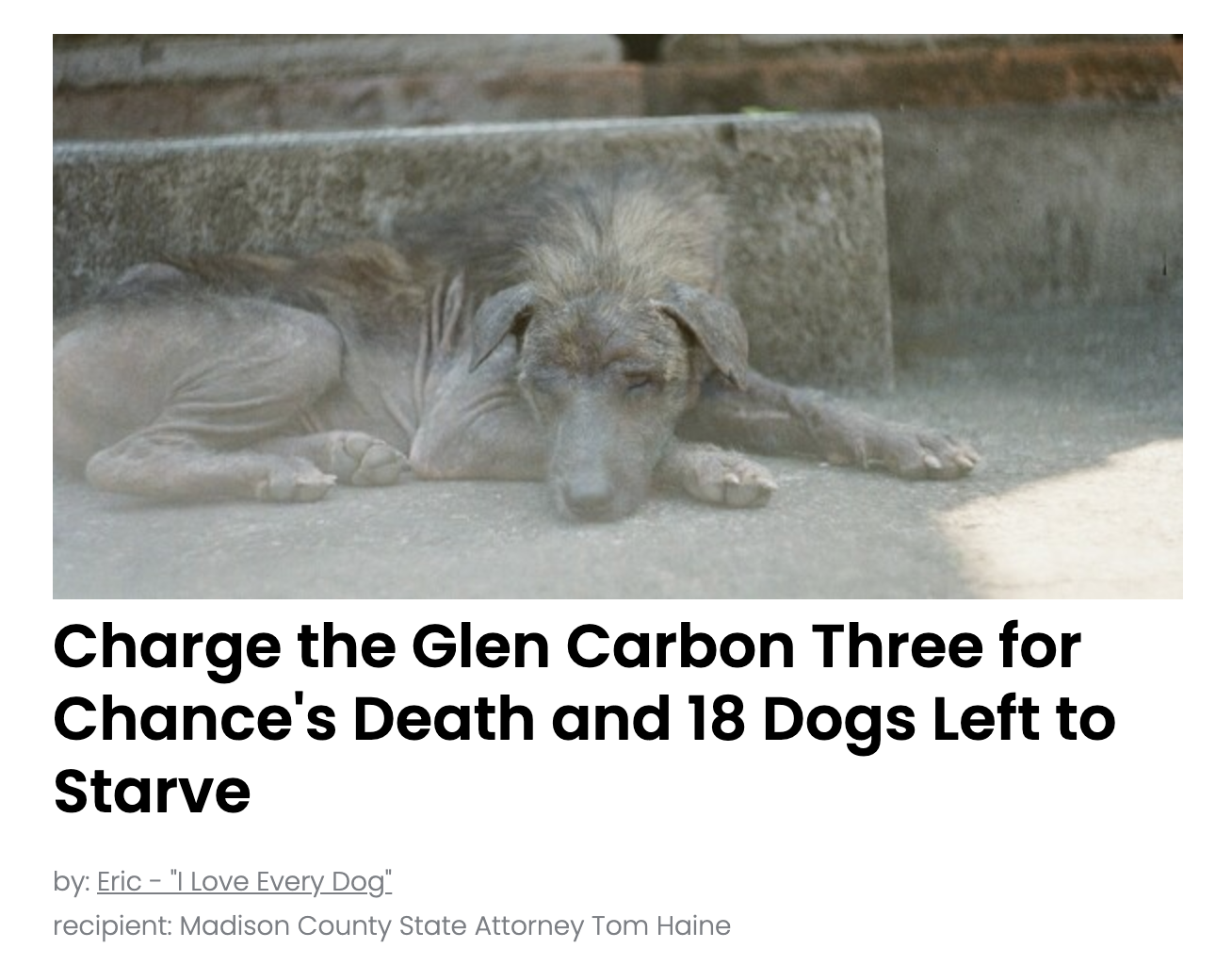
Take action for animals!
Demand justice for these neglected animals!
*petition description may be disturbing
Dog Food and Supplement Recalls
Here are the recent recalls and advisories:
- Northwest Naturals - Chicken Recipe: Potential Salmonella and/or Listeria Monocytogenes Contamination
- Fromm - Wet Canned Dog Food: Potential Metal Contamination
- Oma's Pride - Canine Food: Contaminated with Salmonella
- Pedigree - High Protein Chopped Chicken & Duck Flavor Wet Dog Food: Potential Plastic Contaminants
- Steve's Real Food - Freeze-Dried Chicken Recipe Cat and Dog Food: Possible Low Thiamine Levels (B1)
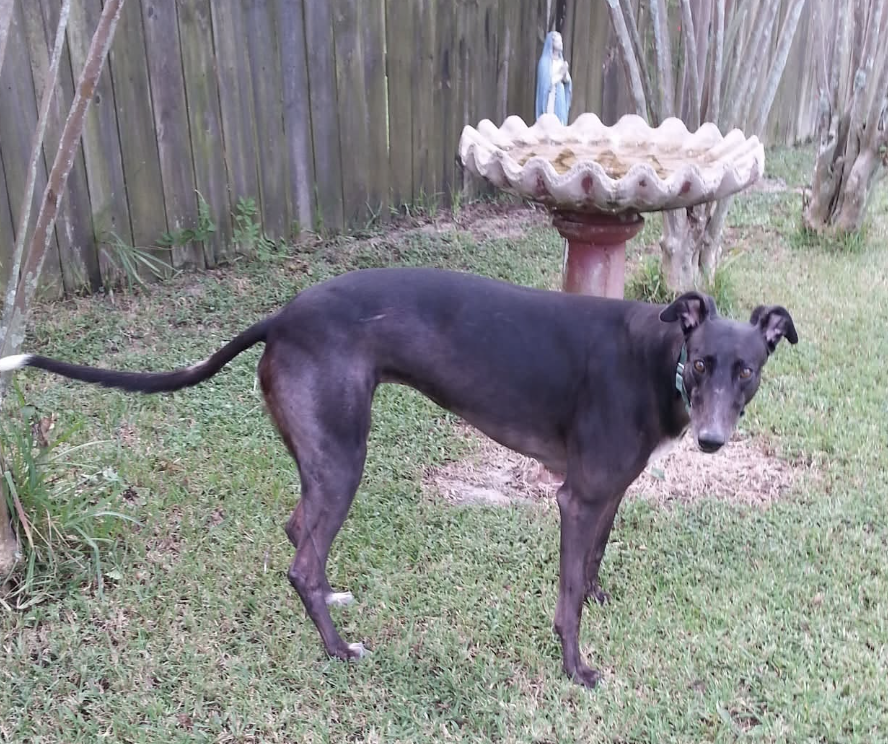
Family Photo of the Day:
Want to help find lost pets?
Download our RoverAlert app to receive notifications of missing pets in your area.
We want to feature your pup!
We want to share your pup with our pack. Email us your favorite doggy pic or video with your pup’s name, and we'll try to feature it as a family photo in one of our upcoming newsletters or on our Facebook page.
|
|