
🐶❤️🐶 What is cyanosis in dogs? 🐶❤️🐶
In today's issue:
-Meet our adoptable dog of the day
-Enjoy a laugh with our dog meme of the day
-Get great information in our featured article
-Take our action of the week
-Check out our family photo of the day
Adoptable Dog(s) of the Day: Polly!
12-year-old Lovable pup adoptable from Vintage Pet Rescue in Foster, Rhode Island

Want your pup to be featured here?
Join our Facebook group - Post Your Pooch!
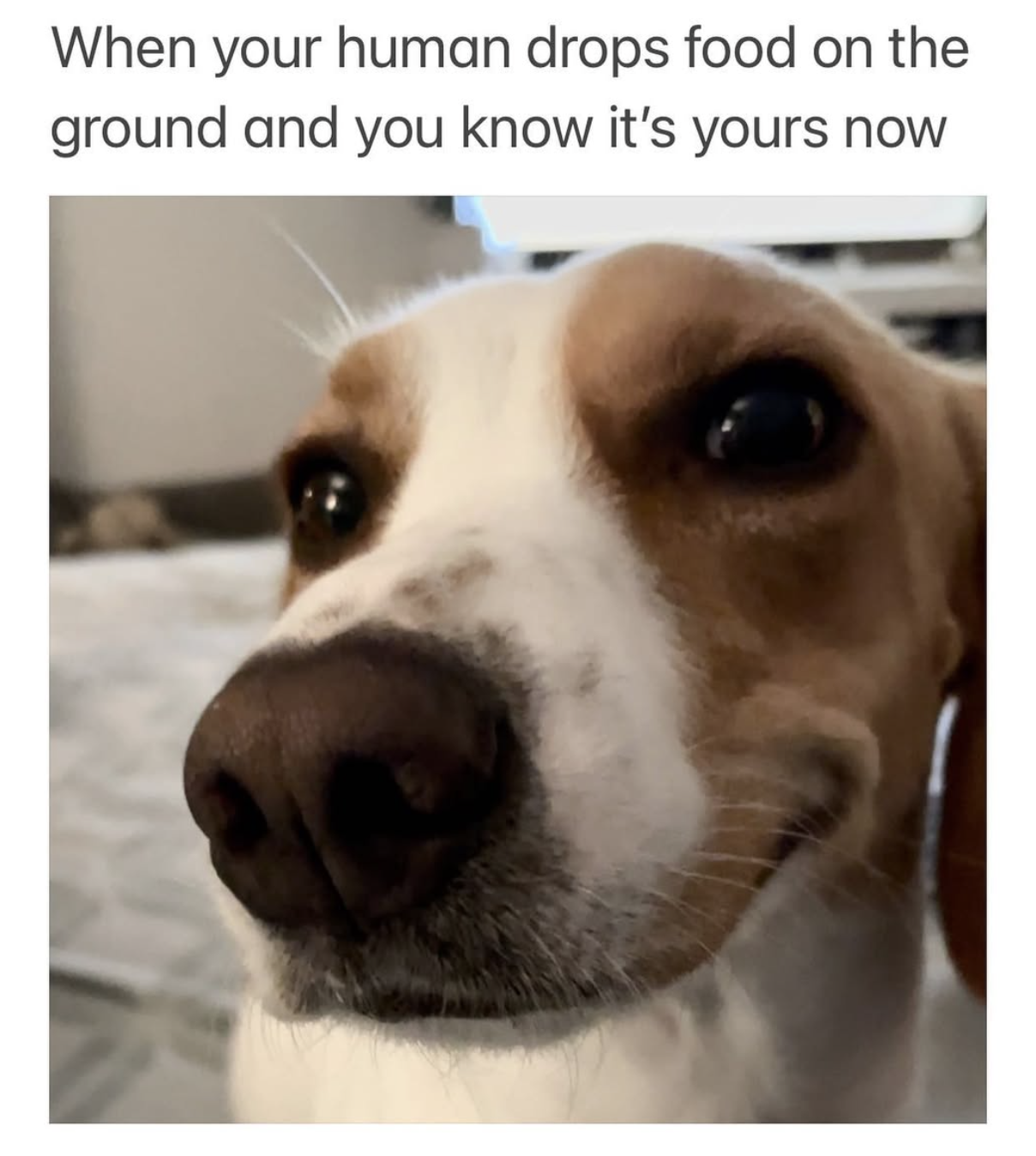
Meme of the day: Without fail!
These Side Hustles Are Best For Older Workers Struggling On Just Social Security
Your 50s+ are a great time to build wealth. Beyond basics like bulk shopping and retirement accounts, here are some fresh ways to grow your money you might’ve missed
What Cyanosis Means for Your Dog
When we think of our furry best friends, we usually picture wet noses and healthy, pink gums. But just like humans, dogs can experience cyanosis—a bluish or purplish tint to the skin, gums, or tongue.
Because our dogs can't tell us when they are feeling short of breath, noticing a change in gum color is one of the most important visual clues a pet parent can have.

What Causes Cyanosis in Dogs?
Just like in people, canine cyanosis happens when there is a dangerous drop in oxygen-rich blood circulating through the body. Instead of a healthy bubblegum-pink color, the mucous membranes turn a distinct slate blue or purple.
This is never normal and always serves as an urgent red flag that your dog's respiratory or cardiovascular system is under severe distress. Common underlying triggers include:
- Respiratory Emergencies: Severe asthma attacks, pneumonia, collapsing trachea, chronic bronchitis, or airway obstructions (like choking on a toy).
- Heart Conditions: Congestive heart failure, congenital heart defects, or fluid buildup around the heart and lungs that prevents proper oxygenation.
- Trauma or Toxicity: Chest trauma from accidents, smoke inhalation, or certain toxins that impair the blood's ability to carry oxygen.
How to Check Your Dog for Cyanosis
Checking a dog's skin can be tough if they have a thick coat or pigmented skin. Instead, veterinarians rely on mucous membranes.
- Check the Gums: Gently lift your dog's upper lip. Healthy gums should be a bright, moist pink.
- Check the Tongue: A healthy dog's tongue is usually pink (though breeds like Chow Chows and Shar-Peis naturally have blue-black tongues, making gum and inner eyelid checks even more critical for them).
- The Capillary Refill Test: Press gently on your dog's gums until they turn white, then release. The pink color should return in less than two seconds. If the gums stay blue, or if the color takes too long to return, oxygen flow is compromised.
What to Do in an Emergency
If you notice a bluish tint to your dog’s tongue or gums—especially if it is accompanied by heavy panting, labored breathing, extreme lethargy, or weakness—treat it as a critical veterinary emergency.
Keep your dog as calm and quiet as possible, avoid handling them roughly (as stress can worsen breathing difficulties), and transport them to the nearest veterinary hospital immediately.
|
|
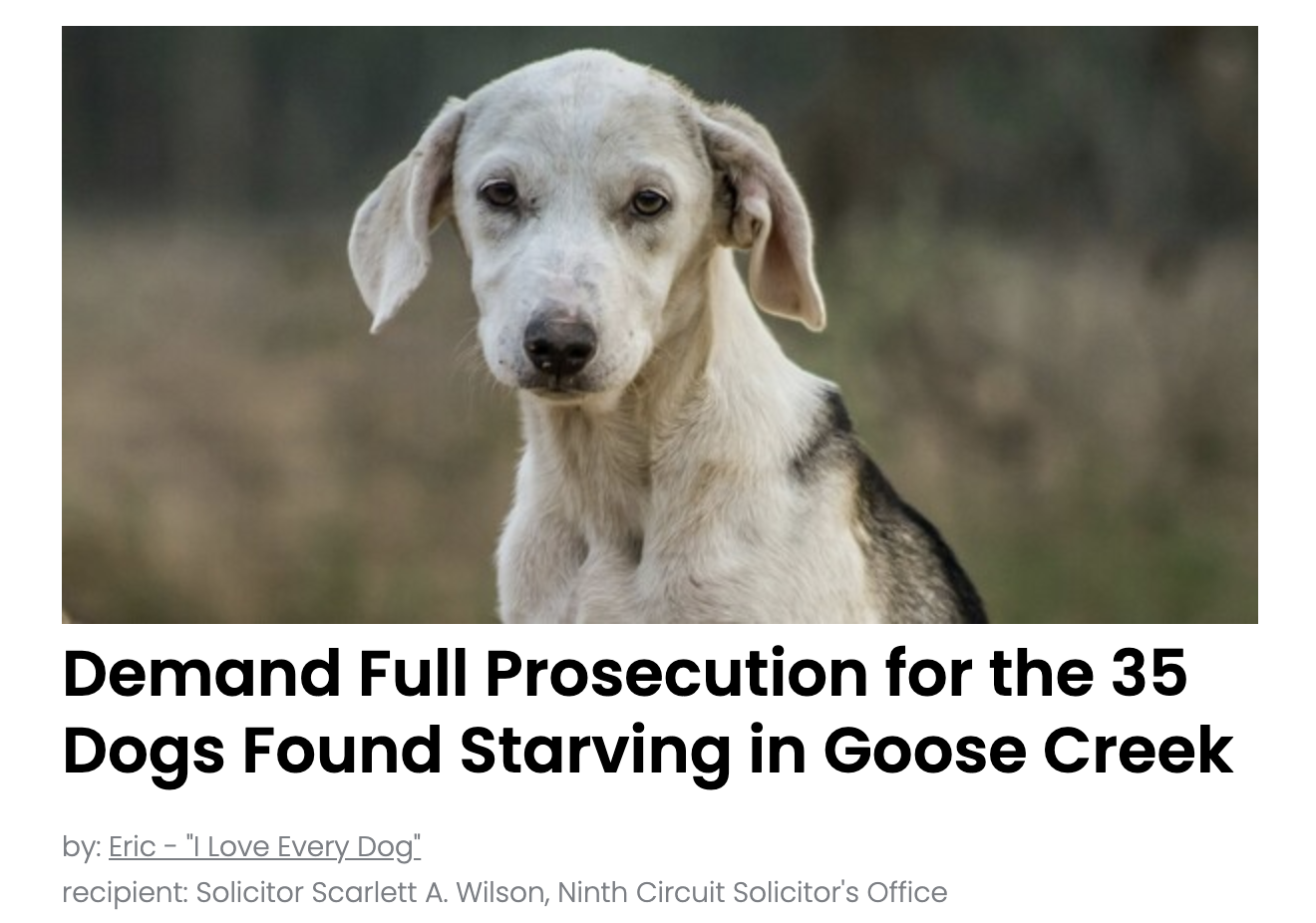
Take action for animals!
Demand justice for dozens of starving dogs!
*petition description may be disturbing
Dog Food and Supplement Recalls
Here are the recent recalls and advisories:
- Fromm - Wet Canned Dog Food: Potential Metal Contamination
- Oma's Pride - Canine Food: Contaminated with Salmonella
- Pedigree - High Protein Chopped Chicken & Duck Flavor Wet Dog Food: Potential Plastic Contaminants
- Steve's Real Food - Freeze-Dried Chicken Recipe Cat and Dog Food: Possible Low Thiamine Levels (B1)
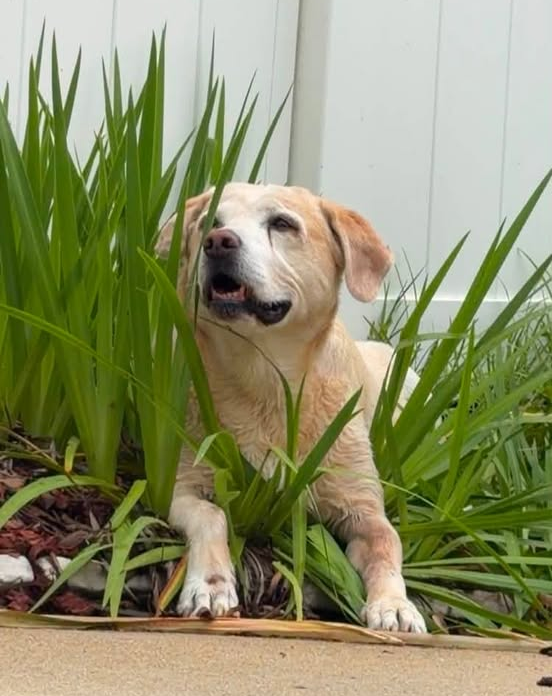
Family Photo of the Day:
In loving memory
Want to help find lost pets?
Download our RoverAlert app to receive notifications of missing pets in your area.
We want to feature your pup!
We want to share your pup with our pack. Email us your favorite doggy pic or video with your pup’s name, and we'll try to feature it as a family photo in one of our upcoming newsletters or on our Facebook page.
|
|