
🐶❤️🐶 What does breathing fast have to do with a dog's heart? 🐶❤️🐶
In today's issue:
-Meet our adoptable dog of the day
-Enjoy a laugh with our dog meme of the day
-Get great information in our featured article
-Take our action of the week
-Check out our family photo of the day
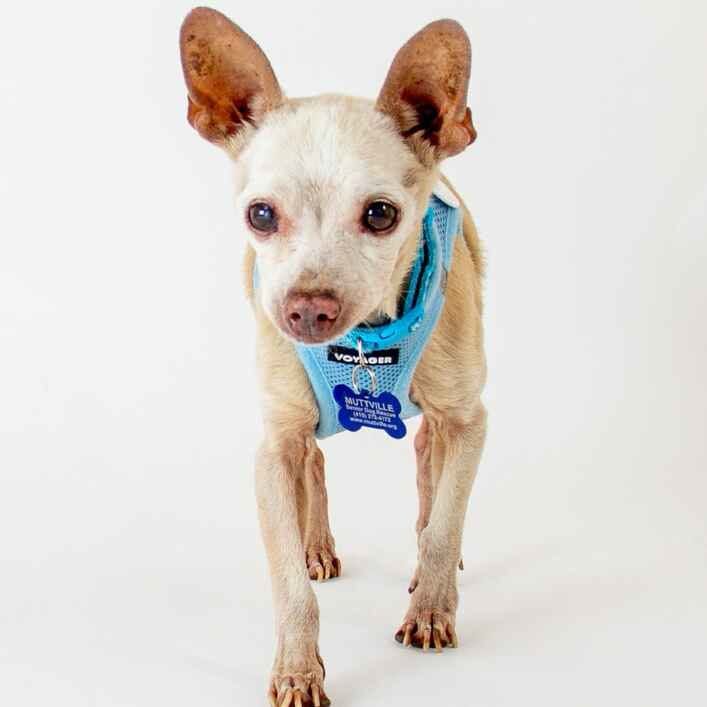
Adoptable Dog(s) of the Day: SPF!
12-year-old lovable pup adoptable from Muttville Senior Dog Rescue in San Francisco, California
Want your pup to be featured here?
Join our Facebook group - Post Your Pooch!
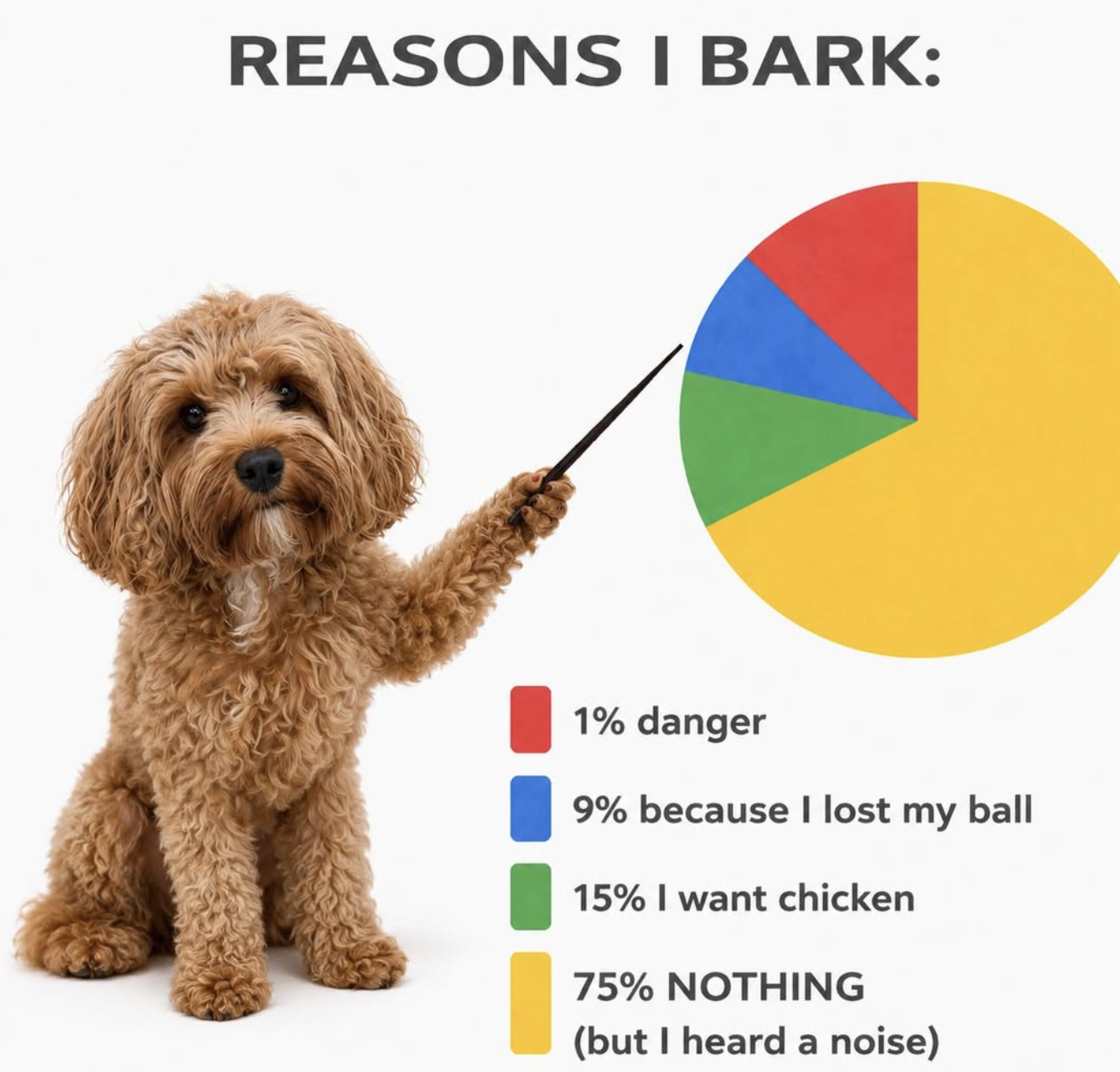
Meme of the day: True!
12 Surprising Money Mistakes Even Smart People Make
You’re smart about saving money, like shopping clearance racks, limiting eating out, and choosing affordable streaming services. However, there are still some cost-cutting tips you might not know yet. Once you discover these, you could quickly find extra cash in your pocket.
What Your Dog’s Breathing Reveals About Their Heart
That quiet rhythm of a pup's soft breaths is a backdrop to our daily lives, a soft reminder of the peaceful bond we share with our canine companions. But beyond being a sweet sound, your dog’s breathing is actually one of the most powerful windows into their internal health—specifically, the strength and vitality of their heart.
While we often associate heart health with energy levels or stamina, a dog’s lungs and heart work in such tight harmony that shifts in breathing can be the first whispers of a heart condition.

How the Heart and Lungs Work Together
To understand why breathing reflects heart health, it helps to look at the teamwork between your dog’s cardiovascular and respiratory systems.
When your dog takes a breath, oxygen enters the lungs and passes into the bloodstream. The heart’s job is to act as a powerful pump, sending that oxygen-rich blood to every organ, muscle, and paw. Once the oxygen is delivered, the blood returns to the right side of the heart, which pumps it back into the lungs to collect more oxygen and release carbon dioxide.
When the heart is strong and healthy, this loop operates effortlessly. But if the heart muscle weakens or a valve begins to leak—conditions like congestive heart failure, mitral valve disease, or dilated cardiomyopathy—the pump loses its efficiency. Blood can back up into the vessels of the lungs, causing fluid to seep into the surrounding tissue.
When fluid builds up, the lungs have less room to expand, making it much harder for oxygen to cross into the blood. To make up for this shortage, your dog’s body automatically responds by taking faster, shallower, or harder breaths to keep oxygen levels up.
Key Breathing Signals to Watch For
Dogs pant to cool down after a lively game of fetch, when they’re excited, or on a warm summer afternoon—that is completely normal. Heart-related breathing changes, however, look quite different because they happen even when your dog should be totally relaxed.
- Elevated Resting Respiratory Rate (RRR): A healthy, calm dog typically takes fewer than 30 breaths per minute while resting or sleeping. If you notice your dog’s chest rising and falling more rapidly while they are sound asleep, it can be an early indicator that the heart is struggling.
- Increased Breathing Effort: Watch the movement of your dog’s chest and stomach. If they seem to be using their abdominal muscles to force air in and out, or if their chest moves dramatically with each breath, their body is working double-time to get oxygen.
- A Soft, Persistent Cough: A heart-related cough often sounds soft or dry. It frequently occurs at night, when lying down, or right after waking up. This happens either because fluid in the lungs irritates the airways or because an enlarged heart presses against the main bronchus.
- Postural Shifts: Dogs experiencing heart-related breathing difficulties will often sit or stand with their neck extended and elbows turned outward to give their chest maximum room to expand. They may also seem reluctant to lie down flat or may prefer to sleep sitting upright.
A Simple At-Home Health Check: Counting Breaths
One of the most loving and proactive things you can do for your dog is to establish a baseline for their sleeping breathing rate.
- Wait for deep sleep: Make sure your dog is calm, resting quietly, or completely asleep (not dreaming or twitching).
- Count the chest rises: Watch your dog’s chest rise and fall. One full movement (up and down) equals one breath.
- Time it: Count the number of breaths in 30 seconds and multiply by 2 (or count for a full 60 seconds).
A normal rate is generally under 30 breaths per minute. By checking this periodically and keeping a quick note on your phone, you will easily spot if their resting rate starts trending upward over time.
Loving Care and Early Action
Noticing changes in your pet’s health can feel scary, but knowledge is a wonderful tool. Catching heart issues early through simple observations like resting breathing rates allows veterinarians to step in with effective treatments, medications, and lifestyle support. Many dogs diagnosed with heart conditions go on to live comfortable, happy lives for a long time when managed well.
(Note: If your dog is ever struggling significantly to breathe, panting with an open mouth at rest, or showing blue or pale gums, treat it as an emergency and contact a veterinarian immediately.)
|
|
Take action for animals!
Demand justice for Boomer!
*petition description may be disturbing

Dog Food and Supplement Recalls
Here are the recent recalls and advisories:
- Fromm - Wet Canned Dog Food: Potential Metal Contamination
- Oma's Pride - Canine Food: Contaminated with Salmonella
- Pedigree - High Protein Chopped Chicken & Duck Flavor Wet Dog Food: Potential Plastic Contaminants
- Steve's Real Food - Freeze-Dried Chicken Recipe Cat and Dog Food: Possible Low Thiamine Levels (B1)
Family Photo of the Day: Malachi!

Want to help find lost pets?
Download our RoverAlert app to receive notifications of missing pets in your area.
We want to feature your pup!
We want to share your pup with our pack. Email us your favorite doggy pic or video with your pup’s name, and we'll try to feature it as a family photo in one of our upcoming newsletters or on our Facebook page.
|
|