
🐶❤️🐶 What are the signs of Congestive Heart Failure? 🐶❤️🐶
In today's issue:
-Meet our dog of the day
-Enjoy a laugh with our dog meme of the day
-Get great information in our featured article
-Take our action of the week
-Check out our family photo of the day
Adoptable Dog(s) of the Day: Janis!
A sweet puppy adoptable from Angel's Retreat in West Chester, Pennsylvania

Want your pup to be featured here?
Join our Facebook group - Post Your Pooch!
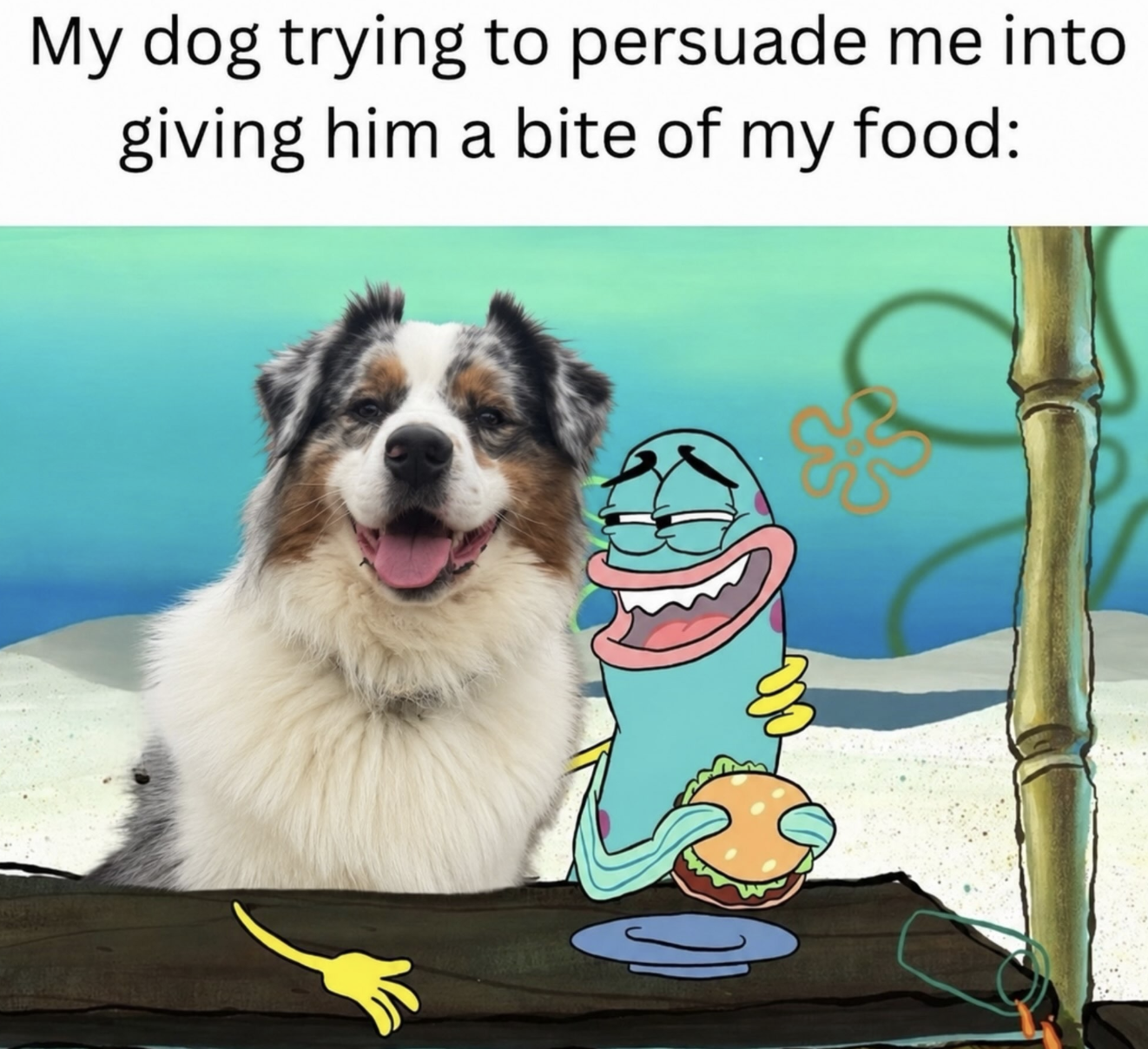
Meme of the day: Every time!
Unlock Your Next Income Stream: 100 Side Hustles for Ambitious Founders
In a world where financial freedom feels like a distant dream, smart women are building wealth on their own terms.
• Finally, a curated database of 100 proven side hustles (that actually work)
• Each idea comes with required startup costs, time investment, and potential earnings
• Exclusive insights from founders who've turned side gigs into 6-figure empires
• Detailed skill requirements so you can match your talents to the right opportunity
• Bonus: Priority scoring system to identify which hustles align with your lifestyle
Don't let another month slip by watching others build their empire. Your next income stream is hiding in our database, waiting to be discovered.
👉 Download the Side Hustle Database Now
Gentle Warning Signs of Canine Congestive Heart Failure
Our dogs have a way of speaking to us without ever uttering a single word. A warm nudge of the nose, a soft sigh at the end of a long day, or an enthusiastic tail thump when you reach for the leash—they communicate their feelings, their trust, and their love through every subtle gesture. Because they rely on us so completely, noticing when something feels slightly off is one of the most profound acts of love we can offer them.
When a dog’s heart begins to struggle, the early signs are often quiet and easy to miss. Congestive heart failure (CHF) occurs when the heart can no longer pump blood efficiently to the rest of the body, leading to fluid buildup in the lungs or chest. While hearing those words can feel overwhelming, understanding what to look for empowers you to act early—and early care makes all the difference in keeping your companion comfortable, active, and happy for as long as possible.

A Persistent, Soft Cough
One of the earliest and most common indicators of heart failure is a dry, hacking cough. You might notice it most often at night, when your dog is lying down, or right after they wake up. This happens because fluid accumulates in the lungs or because an enlarged heart presses against the airway. If a cough lingers for more than a few days, it’s worth a quick check-in with your vet.
Changes in Breathing and Resting Pace
Pay attention to how your dog breathes when they are completely relaxed or sleeping. A dog in the early stages of CHF may pant more than usual without a clear reason, take faster, shallower breaths, or stretch their neck out to breathe more easily. A simple way to keep track is to count their breaths for 60 seconds while they sleep: a normal resting respiratory rate for most dogs is under 30 breaths per minute.
Fading Stamina and Sudden Fatigue
If your usually eager pup starts slowing down on familiar walks, sitting down midway through playtime, or choosing to stay on their bed instead of greeting you at the front door, take note. When the heart struggles to circulate oxygen-rich blood, even routine activities can feel like climbing a mountain.
Nighttime Restlessness
Dogs with CHF often have trouble getting comfortable at night. You might notice your dog pacing, constantly shifting positions, or preferring to sleep sitting up or with their front legs spread wide. Lying flat can make breathing feel heavier, leading to restless nights for both of you.
A Swollen Belly or Loss of Appetite
When heart function slows down, fluid gathers in the abdomen, giving your dog a pot-bellied or bloated appearance despite losing weight elsewhere. You might also notice a drop in their enthusiasm for food or treats, as increased breathing effort and fluid retention can make eating feel exhausting.
Pale or Blue-Tinted Gums
Take a gentle look at your dog’s gums. In a healthy dog, they should be a vibrant, warm pink. If they appear pale, grayish, or blue-tinged, it means oxygen isn't reaching their tissues effectively—a sign that requires immediate veterinary attention.
Hope and Path Forward
Noticing any of these signs can bring a rush of concern, but it is important to remember that a CHF diagnosis is not the end of your journey together. Modern veterinary cardiology offers remarkable treatments—including targeted medications, low-sodium diets, and tailored exercise plans—that dramatically improve a dog's quality of life and give you many more cozy mornings and joyful moments together.
Trust your instincts. Nobody knows your dog better than you do, and listening to those small, subtle changes is the greatest gift you can give the friend who gives you their heart every day.
|
|
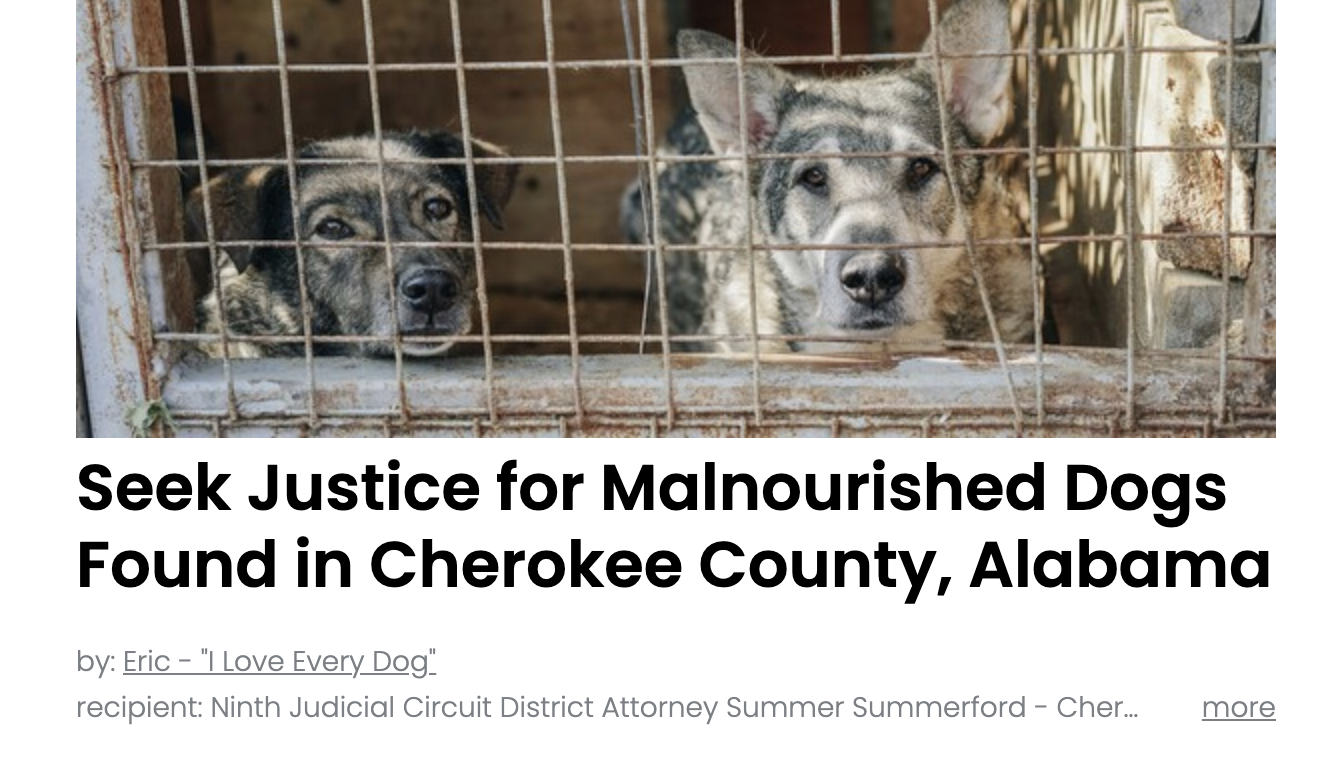
Take action for animals!
Demand justice for these pups!
*petition description may be disturbing
Dog Food and Supplement Recalls
Here are the recent recalls and advisories:
- Pedigree - High Protein Chopped Chicken & Duck Flavor Wet Dog Food: Potential plastic contaminants
- Steve's Real Food - Freeze-Dried Chicken Recipe Cat and Dog Food: Possible Low Thiamine Levels (B1)
- Raaw Energy - Dog Food: Potential Listeria Contamination
Family Photo of the Day: Brandi and Brooke!

Want to help find lost pets?
Download our RoverAlert app to receive notifications of missing pets in your area.
We want to feature your pup!
We want to share your pup with our pack. Email us your favorite doggy pic or video with your pup’s name, and we'll try to feature it as a family photo in one of our upcoming newsletters or on our Facebook page.
|
|