
🐶❤️🐶 Brain Scan Studies Show Dogs Understand Human Emotion 🐶❤️🐶
In today's issue:
-Meet our adoptable dog of the day
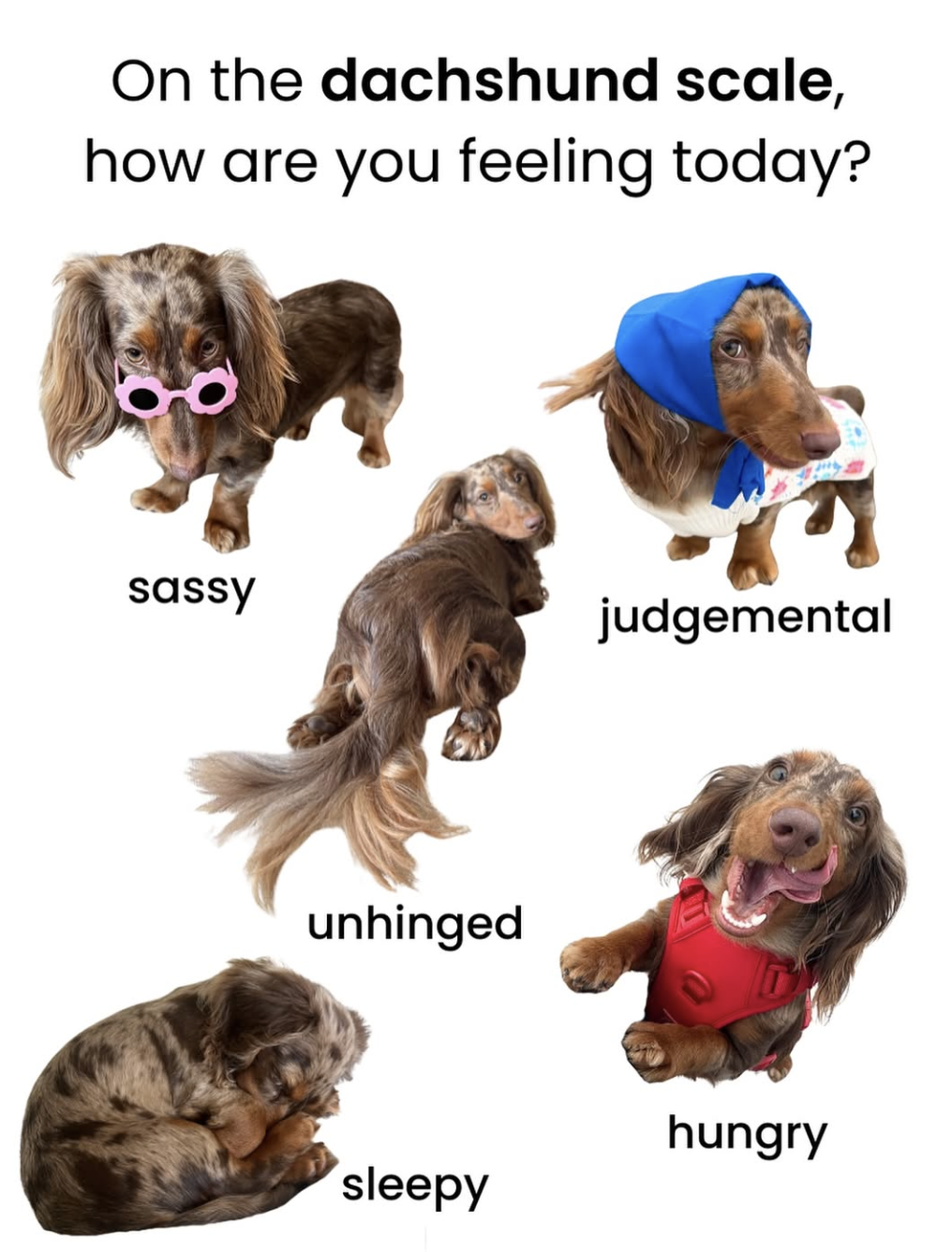
-Enjoy a laugh with our dog meme of the day
-Get great information in our featured article
-Take our action of the week
-Check out our family photo of the day
Adoptable Dog(s) of the Day: Koko!
17-week-old lovable pup adoptable from Hounds in Pounds in Georgia

Want your pup to be featured here?
Join our Facebook group - Post Your Pooch!
Meme of the day: Sassy!
These Side Hustles Are Best For Older Workers Struggling On Just Social Security
Your 50s+ are a great time to build wealth. Beyond basics like bulk shopping and retirement accounts, here are some fresh ways to grow your money you might’ve missed
Brain Scans Prove Dogs Discriminate Subtle Human Emotions
Any dog parent will gladly tell you that their pup possesses an almost uncanny emotional intelligence. Whether your furry best friend is bouncing off the walls to match your weekend excitement or quietly resting a chin on your knee when you're feeling down, the bond feels deeply intuitive. Now, science is backing up what dog lovers have suspected all along—and revealing that our canine companions might understand our moods on a surprisingly detailed level.
According to research reported by Kathleen Felton for The Washington Post, new brain imaging demonstrates that a dog's mind doesn't just register the difference between a happy face and a blank stare; it can actually distinguish between nuanced negative emotions like fear, anger, and sadness.

A Peek Inside the Canine Mind
The study, published in the Cell Press journal iScience, was led by researchers Laura V. Cuaya and Raúl Hernández-Pérez from the SCAN-Unit at the University of Vienna, alongside colleagues from the National Autonomous University of Mexico and Eötvös Loránd University in Hungary.
To explore how dogs process human feelings, researchers placed awake, unrestrained pet dogs—primarily border collies, known for their high social intelligence and willingness to cooperate—into MRI scanners to observe their brain activity while viewing photographs of unfamiliar human facial expressions.
In the first phase of the experiment, eight dogs were shown happy and neutral expressions. Joyful faces triggered a distinct response in the right temporal cluster extending to the caudate nucleus—a reward center in the dog's brain. As Cuaya explained, this same region lights up when a pup anticipates a tasty treat or hears enthusiastic praise.
When the researchers expanded the study to 12 dogs and introduced negative emotions—anger, fear, and sadness—the whole-brain analysis revealed a fascinating breakthrough.
“We found that in a different part of the brain, there can be a distinction between fear and anger and between fear and sadness,” Cuaya noted. While sadness and anger activated similar brain patterns, the clear neural distinction involving fear marks the first time science has proven dogs can differentiate between subtle variations of negative human expressions.
Emotion Recognition vs. True Perception
While the findings are a huge leap forward for animal cognition, experts caution against projecting human emotional processing directly onto our pets.
Clive Wynne, founding director of the Canine Science Collaboratory at Arizona State University, pointed out that while the brain scans confirm dogs can discriminate between these facial cues, it doesn't necessarily mean they experience or conceptualize those human feelings the way we do.
Furthermore, static facial photos don't capture the full picture of how dogs read us in daily life. Humans rely heavily on expressive facial movements, but dogs are master body-language readers, taking cues from posture, vocal tone, and movement. To account for this, Cuaya and Hernández-Pérez are already working on follow-up experiments using full-body videos with digitally obscured faces.
What This Means for You and Your Dog
Even with open questions about whether these abilities stem from thousands of years of evolutionary domestication or simply living alongside us 24/7, the research provides rare, concrete insight into the inner workings of the dog brain.
As Evan MacLean, director of the Arizona Canine Cognition Center, observed, while canine behavior has long suggested they can sense our moods, this study offers a rare peek under the hood.
So the next time you're having a tough day and your dog gives you that extra-knowing look, give them an extra scratch behind the ears. Their brain really is paying close attention—and processing far more than we thought.
|
|
Take action for animals!
Demand justice for these pups!
*petition description may be disturbing

Dog Food and Supplement Recalls
Here are the recent recalls and advisories:
- Pedigree - High Protein Chopped Chicken & Duck Flavor Wet Dog Food: Potential plastic contaminants
- Steve's Real Food - Freeze-Dried Chicken Recipe Cat and Dog Food: Possible Low Thiamine Levels (B1)
- Raaw Energy - Dog Food: Potential Listeria Contamination
Family Photo of the Day: Toby!

Want to help find lost pets?
Download our RoverAlert app to receive notifications of missing pets in your area.
We want to feature your pup!
We want to share your pup with our pack. Email us your favorite doggy pic or video with your pup’s name, and we'll try to feature it as a family photo in one of our upcoming newsletters or on our Facebook page.
|
|