
🐶❤️🐶 Why do some dogs insist on hand-feeding? 🐶❤️🐶
In today's issue:
-Meet our adoptable dog of the day
-Learn about our Shelter of the Week
-Enjoy a laugh with our dog meme of the day
-Get great information in our featured article
-Take our action of the week
-Check out our family photo of the day
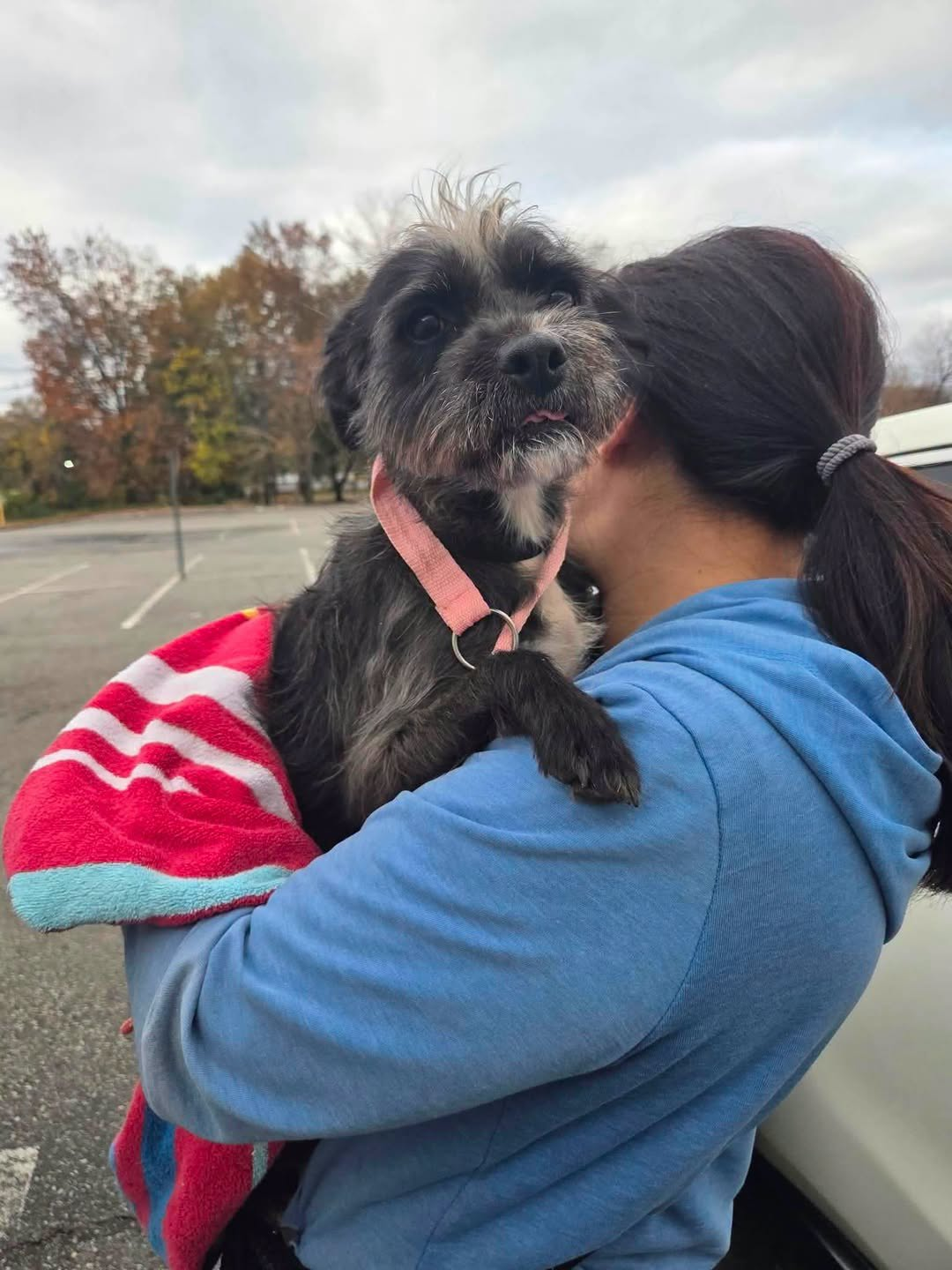
Adoptable Dog(s) of the Day: Cornbread Stuffing!
Lovable pup in need of a forever home at Hounds in Pounds in New Jersey.
Join our Facebook group - Post Your Pooch!
Shelter of the Week:
Hounds in Pounds
Founded in 2015 by a small-town animal lover hoping to save just a few lives, Hounds in Pounds has grown into a dedicated, New Jersey-based 501(c)(3) nonprofit rescue that serves as a vital lifeline for shelter dogs across Georgia and the American South. Rooted in deep compassion, the organization pulls vulnerable dogs from high-kill shelters and underserved communities, providing them with critical veterinary care, behavioral support, and loving foster homes until they are matched with their forever families. At its heart, Hounds in Pounds believes that animal rescue isn't just about saving individual dogs—it is about building kinder, more connected communities.
What Makes Hounds in Pounds Special
- A "Never Say Never" Approach to Underdogs: Hounds in Pounds intentionally steps up for the dogs most likely to be overlooked or deemed "hopeless" by others. When they rescue a litter of puppies, they make sure to save the mama dog too. They also welcome seniors, mixed breeds, and dogs facing complex medical or behavioral hurdles without discrimination.
- A Lifeline from the South to the Northeast: Operating as a vital bridge between overcrowded shelters in Georgia and the Southeast and adoptive families across the Northeast, Hounds in Pounds combines hands-on rescue with spay/neuter outreach and public education to tackle the root causes of shelter overpopulation.
- Commitment to Long-Term Adoption Success: Rather than simply placing dogs and walking away, Hounds in Pounds sets both pets and adopters up to thrive together through thoughtful behavioral intervention. Every adopter commits to completing professional training such as puppy kindergarten, basic obedience, or private sessions within three months of adoption to ensure a smooth, lasting bond.
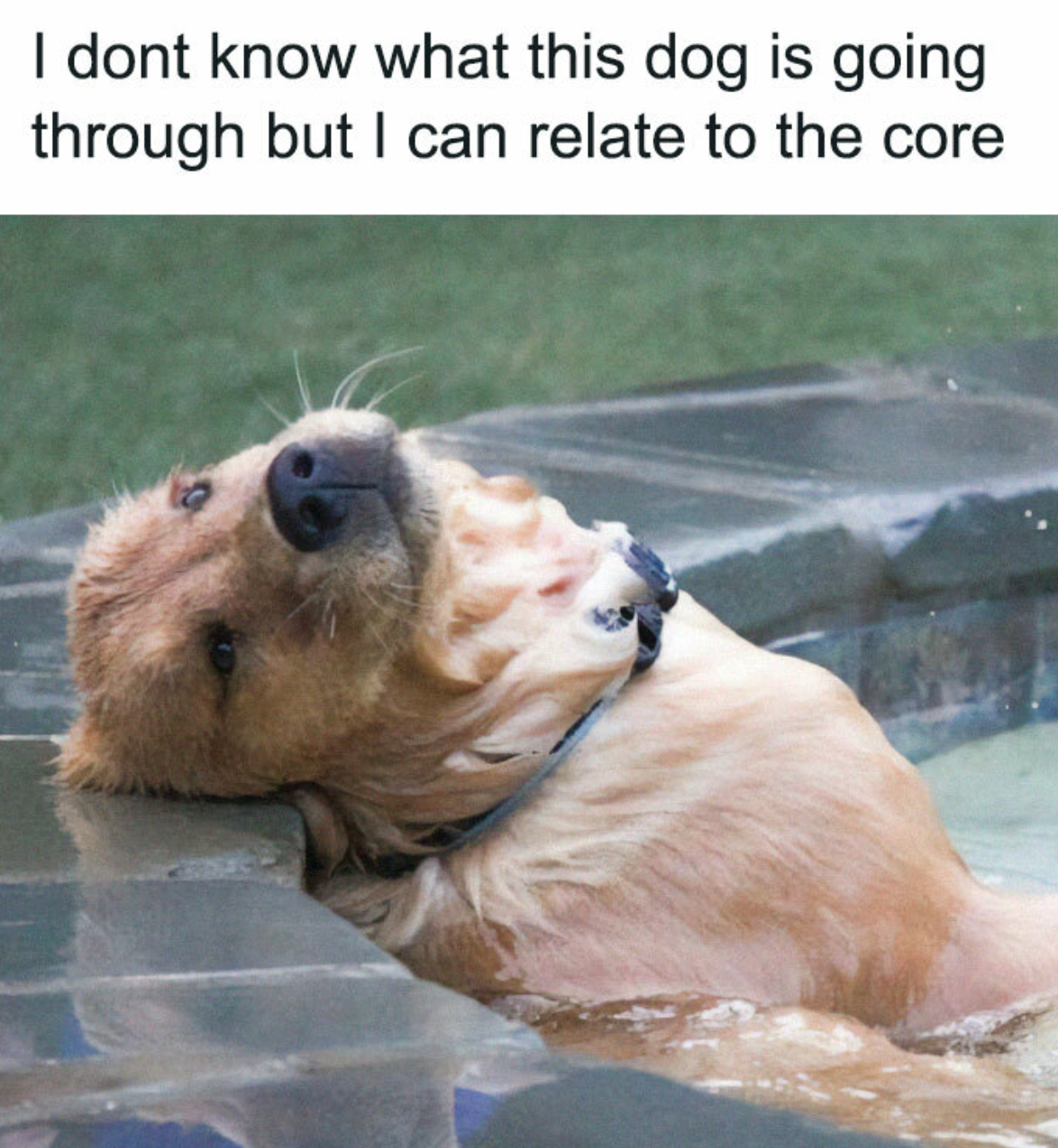
Meme of the day: True!
See If You’re Overpaying For Car Insurance
Overpaying for car insurance and don't even know it? Compare.com pulls rates from 120+ top providers so you can see exactly where you stand. No guesswork, no cold calls. Just enter your car make and ZIP code, and get a free quote in seconds. Answer a few quick questions, and Compare.com pulls your free quotes side by side in minutes. Join over 8.3M people who have compared quotes and found the right policy. Rates shift constantly, so even loyal customers often end up overpaying without realizing it. Check yours now — it takes less time than finding your policy number.
Enter your zip code and compare quotes with Compare.com
Why Some Dogs Insist on Being Hand-Fed
If you have ever found yourself sitting on the kitchen floor, patiently offering single pieces of kibble from your palm while your dog stares at their full bowl like it has personally offended them, you are far from alone.
From primal instincts to subtle signs of stress, here is what your dog is actually trying to tell you when they demand dinner service by hand.

The Power of Bonding and Oxytocin
For many dogs, eating from your hand isn't about the food at all. It’s about connection. Dogs are deeply social animals, and sharing a meal is an intimate, trust-building experience. When you hand-feed your dog, you are engaging in direct, positive interaction that triggers the release of oxytocin (the "love hormone") in both you and your pup. If your dog is particularly affectionate, newly adopted, or just craves your undivided attention after a long day, turning mealtime into a one-on-one bonding session is their way of saying, "I just want to be close to you."
Bowl Anxiety and Sensory Overload
Believe it or not, the food bowl itself can sometimes be the culprit. Shiny metal bowls reflect light and create sudden, startling shadows, while lightweight plastic or ceramic bowls can slide across hardwood floors, making a clattering noise that spooks sensitive dogs. Furthermore, if a dog’s collar tags clang against the rim of a metal bowl every time they take a bite, they may quickly associate their dish with an unpleasant, jarring sound. Eating from your warm, quiet, stationary hand eliminates all of those scary variables.
Instinctual Vulnerability
In the wild, lowering your head to eat leaves an animal exposed and vulnerable to predators or rivals. While your living room is entirely free of wolves, that ancient wiring still exists in your dog's brain. For timid, anxious, or rescue dogs who haven't quite figured out that they are completely safe, keeping their head down in a bowl feels risky. When you hold the food up to them, they can keep their eyes on their surroundings and look to you as their trusted protector while they eat.
Subtle Discomfort or Aging
Sometimes, a sudden refusal to eat from a bowl is a quiet cry for physical comfort. Look closely at your dog's posture when they approach their dish:
- Neck or joint pain: Bending all the way down to a floor-level bowl can strain an older dog’s arthritic neck, shoulders, or back. Bringing the food up to their muzzle offers instant relief.
- Dental sensitivity: If a dog has a cracked tooth, sore gums, or mild nausea, plunging their face into a pile of hard kibble can be painful. Taking one piece at a time from your fingers allows them to chew slowly and carefully on the side of their mouth that doesn't hurt.
Positive Reinforcement (You Trained Them!)
Dogs are brilliant pattern-recognizers. Think back to the first time your dog skipped a meal. Out of love and worry, you probably knelt down, picked up a few pieces of kibble, and coaxed them to eat from your hand. To your dog, the message was crystal clear: If I ignore the bowl, my favorite human comes over, sits on the floor, and gives me all their attention. Congratulations! You didn't spoil your dog; your dog successfully trained you!
How to Gently Transition Back to the Bowl
While hand-feeding is a wonderful tool for building trust with a shy dog or reinforcing training, it isn't always sustainable for a busy schedule. If you want to help your dog regain their independence at mealtime, try meeting them halfway:
- Swap the gear: Trade noisy metal bowls for a quiet ceramic dish, a flat plate, or a silicone lick mat. Removing collar tags during meals can also work wonders.
- Elevate the dish: If bending down seems uncomfortable, try placing their bowl on a low, sturdy box or using a raised feeder to ease neck strain.
- Bridge the gap: Start by feeding a few pieces from your hand right over the bowl, then drop a few pieces inside while keeping your hand resting on the rim. Gradually pull your hand back as they gain confidence.
(Note: If your dog's sudden refusal to eat from a bowl is accompanied by lethargy, drooling, pawing at their mouth, or weight loss, always check in with your veterinarian first to rule out underlying dental or digestive issues.)
|
|
Take action for animals!
Demand justice for Peru!
*petition description may be disturbing

Dog Food and Supplement Recalls
Here are the recent recalls and advisories:
- FI - Pet Supplements: Potential Salmonella Contamination
- Northwest Naturals - Chicken Recipe: Potential Salmonella and/or Listeria Monocytogenes Contamination
- Fromm - Wet Canned Dog Food: Potential Metal Contamination
- Oma's Pride - Canine Food: Contaminated with Salmonella
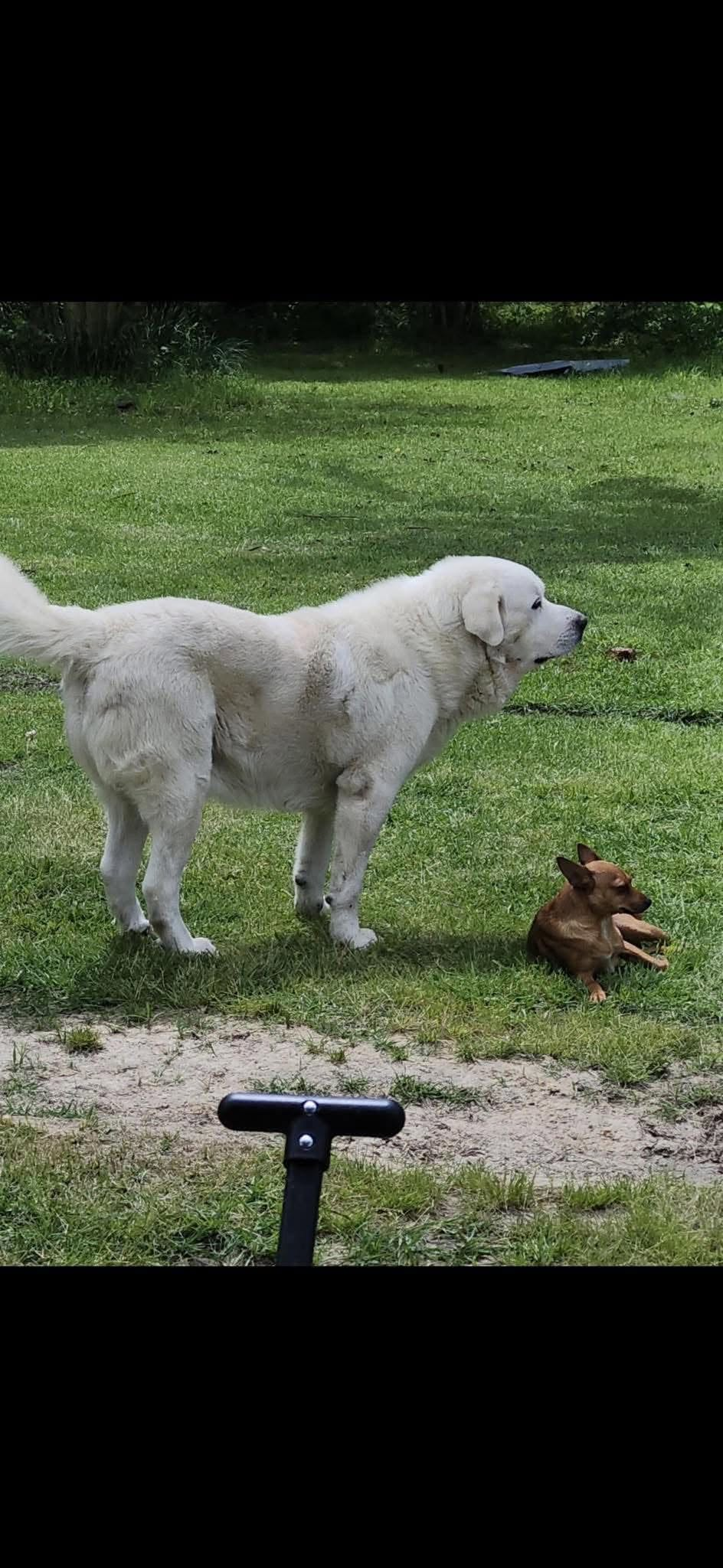
Family Photo of the Day: Toby and Foxy Jean!
Want to help find lost pets?
Download our RoverAlert app to receive notifications of missing pets in your area.
We want to feature your pup!
We want to share your pup with our pack. Email us your favorite doggy pic or video with your pup’s name, and we'll try to feature it as a family photo in one of our upcoming newsletters or on our Facebook page.
|
|