
🐶❤️🐶 Is animal testing still done on dogs and how can we stop it? 🐶❤️🐶
In today's issue:
-Meet our dog of the day
-Enjoy a laugh with our dog meme of the day
-Get great information in our featured article
-Take our action of the week
-Check out our family photo of the day
Workshop Survey
I Love Every Dog would like to start hosting workshops for our readers/followers. Please take a moment to look at this interest survey so we can tailor the first workshops to what folks would most like to do.
SurveyDog(s) of the Day:
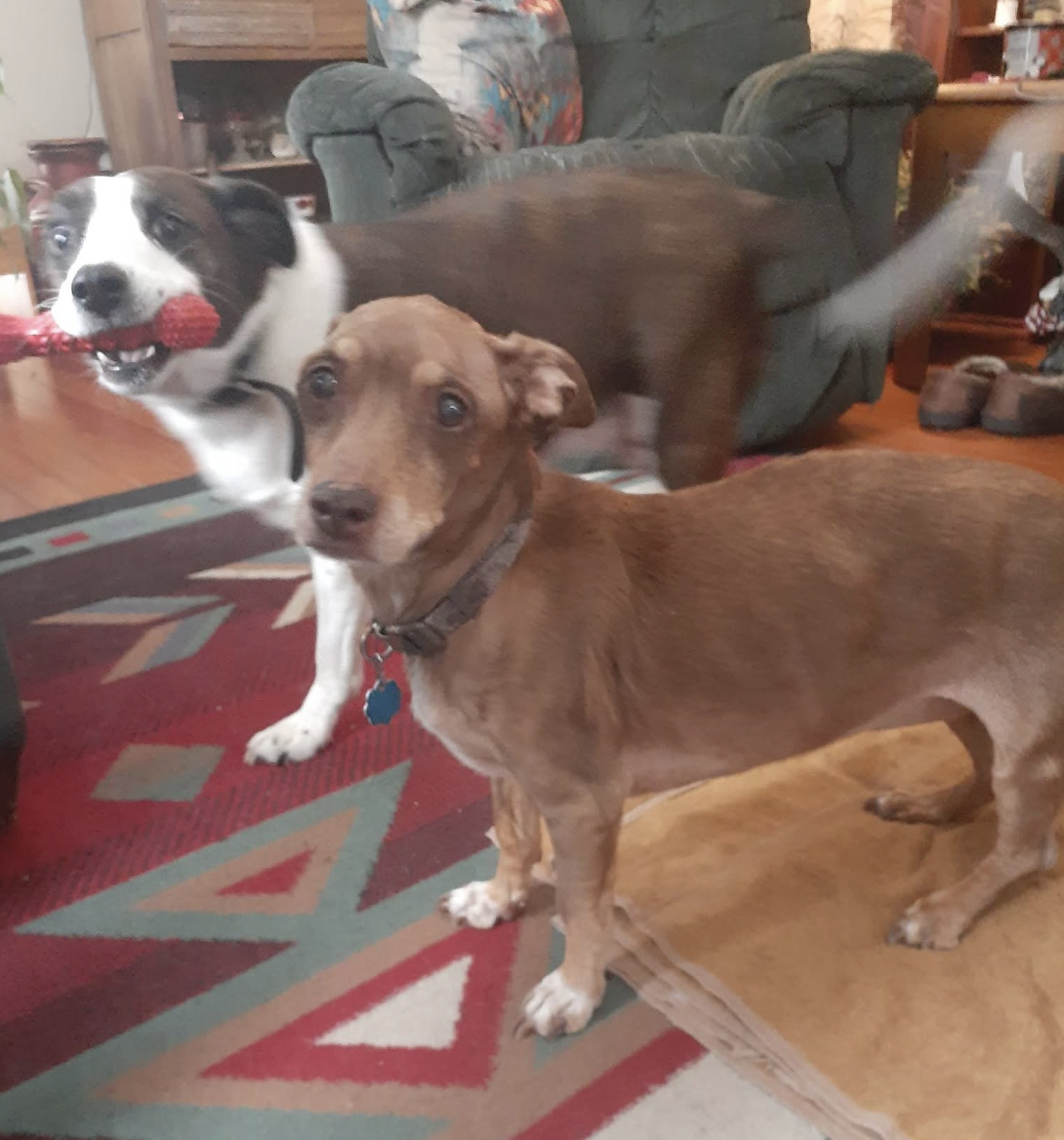
Want your pup to be featured here?
Join our Facebook group - Post Your Pooch!
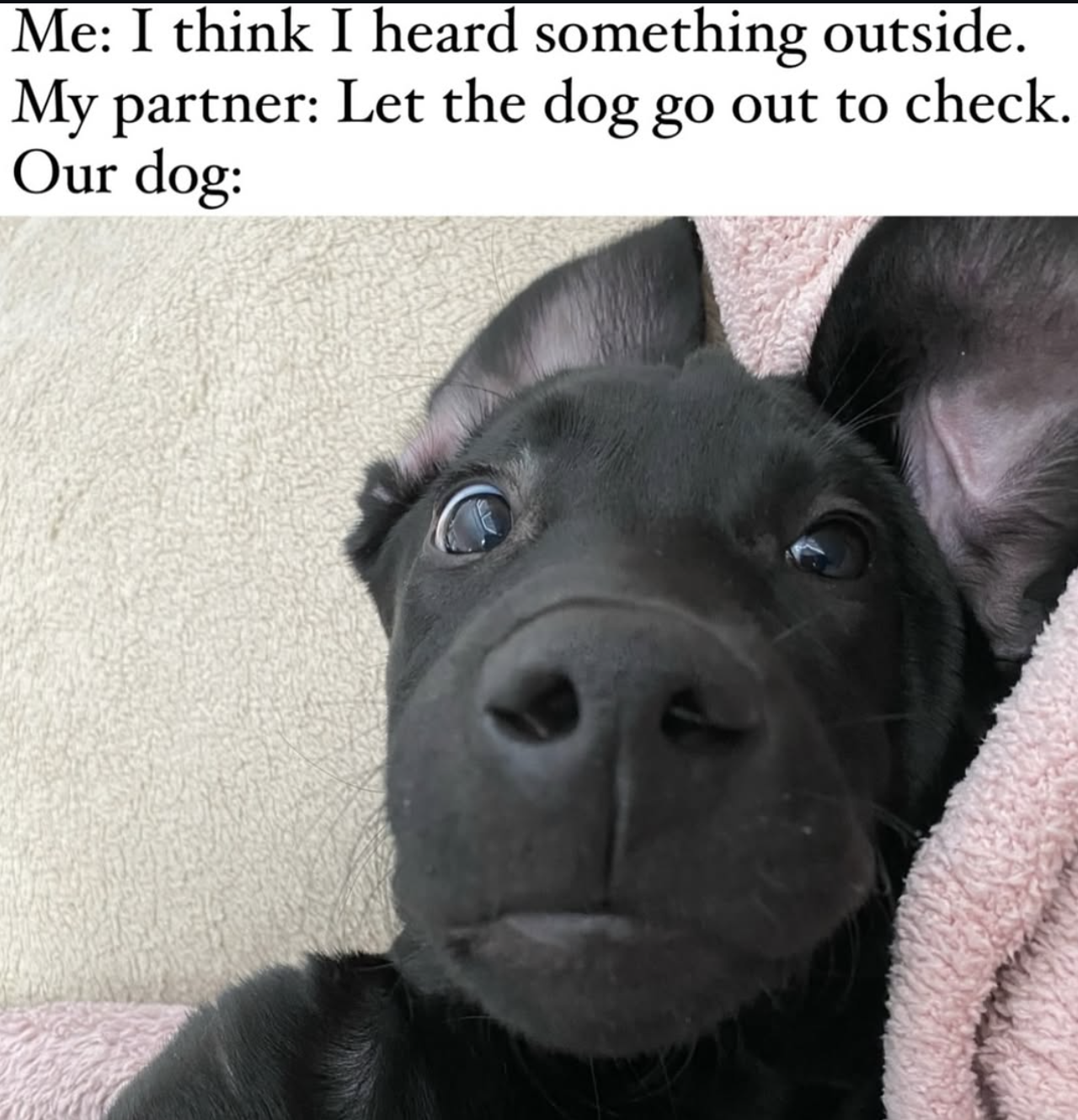
Meme of the day: Ruh-roh!

Getting a Passport Shouldn’t Be Complicated
RSVP Passports makes the entire process easy, from selecting the right service to submitting error-free documents and getting your passport delivered fast. No long forms. No confusing steps. No stress.
The Quiet Revolution Ending Animal Testing on Dogs
There is an undeniable magic in the way a dog looks at us. It is a gaze of pure, uncomplicated trust—the kind that makes a long day melt away the second you walk through the front door. For decades, that very trait of gentle compliance has made one specific breed, the Beagle, the tragic choice for scientific research.
If you have ever wondered whether animal testing on dogs is a relic of the past, the honest answer is a difficult one: it is still happening. Tens of thousands of dogs are used in laboratories across the country every year to test everything from experimental pharmaceuticals to industrial chemicals and pesticides.
But there is a profound, hopeful shift happening right now. Science and compassion are finally aligning, and we are on the precipice of a future where no dog has to spend their life behind bars in a lab.

Why Dogs, and What is the Current Landscape?
Labs rely on Beagles because they are small, docile, and remarkably forgiving. They do not fight back, even when subjected to painful procedures or toxic substances.
Historically, regulatory frameworks like the U.S. Food and Drug Administration (FDA) required animal data before human clinical trials could begin. However, the scientific community is facing a hard truth: nearly 90% of drugs that pass animal trials ultimately fail when tested on humans. Animals simply have different metabolic pathways and genetic expressions than we do. Testing on a dog is not just an ethical compromise; it is often a scientific detour.
The good news? The momentum to change this has hit a historical turning point.
The Road to Change: Major Progress in 2026
We are witnessing a monumental shift in how federal agencies view biomedical research. The reliance on standard animal models is actively eroding in favor of faster, more accurate, and entirely cruelty-free methods.
FDA Modernization Act 2.0 Passed Late 2022
The law officially removed the outdated mandate requiring all new drugs to be tested on animals before human trials, opening the door for alternative scientific methods.
EPA Recommits to a Mammalian Testing Phaseout January 2026
The U.S. Environmental Protection Agency announced a firm strategy to phase out chemical and pesticide testing on mammals by 2035.
FDA and NIH Launch Historic Initiatives Spring 2026
The FDA issued clear draft guidance on substituting animal tests with modern alternatives, while the National Institutes of Health (NIH) backed the shift with a massive $150 million investment into non-animal research technologies.
The Science Replacing the Need for Labs
Scientists are increasingly leaning on New Approach Methodologies (NAMs). These are not just kinder alternatives; they are safer and more efficient.
- Organs-on-Chips: Microchips lined with living human cells that mimic the structure and cellular mechanics of actual human organs. They track how a human body will react to a drug much more accurately than a living animal can.
- 3D Bioprinting: Creating functional, layered human tissue models to test skin and organ toxicity.
- AI and Computational Modeling: Advanced computer algorithms can now predict chemical toxicity and how molecular structures will interact with human biology based on decades of existing data.
How We Can Help Cross the Finish Line
Ending this practice requires collective action from consumers, advocates, and lawmakers. Here is how you can directly impact the lives of these animals:
Vote With Your Wallet: Immediate Impact.
Look for certified cruelty-free labels (like the Leaping Bunny or PETA's Beauty Without Bunnies logo) on cosmetics, personal care items, and household cleaning products. Companies change when their bottom lines do.
Support Dedicated Rescue Organizations: Direct Rehabilitation.
Groups like the Beagle Freedom Project work directly to advocate for lab animals and rehabilitate and rehome survivors. Supporting these rescues or opening your home to a rescued lab dog gives them a second chance at a real life.
Advocate for Further Legislation: Systemic Change.
Reach out to local and federal representatives to voice support for laws that mandate the use of valid non-animal alternatives and require laboratories to offer survivors up for public adoption rather than euthanasia.
"The greatness of a nation and its moral progress can be judged by the way its animals are treated."
— Mahatma Gandhi
The day when cages are replaced entirely by microchips and computer models is within our reach. By staying informed, choosing conscious brands, and raising our voices, we can ensure that the only job a dog ever has is to be a beloved member of a family.
|
|
Take action for animals!
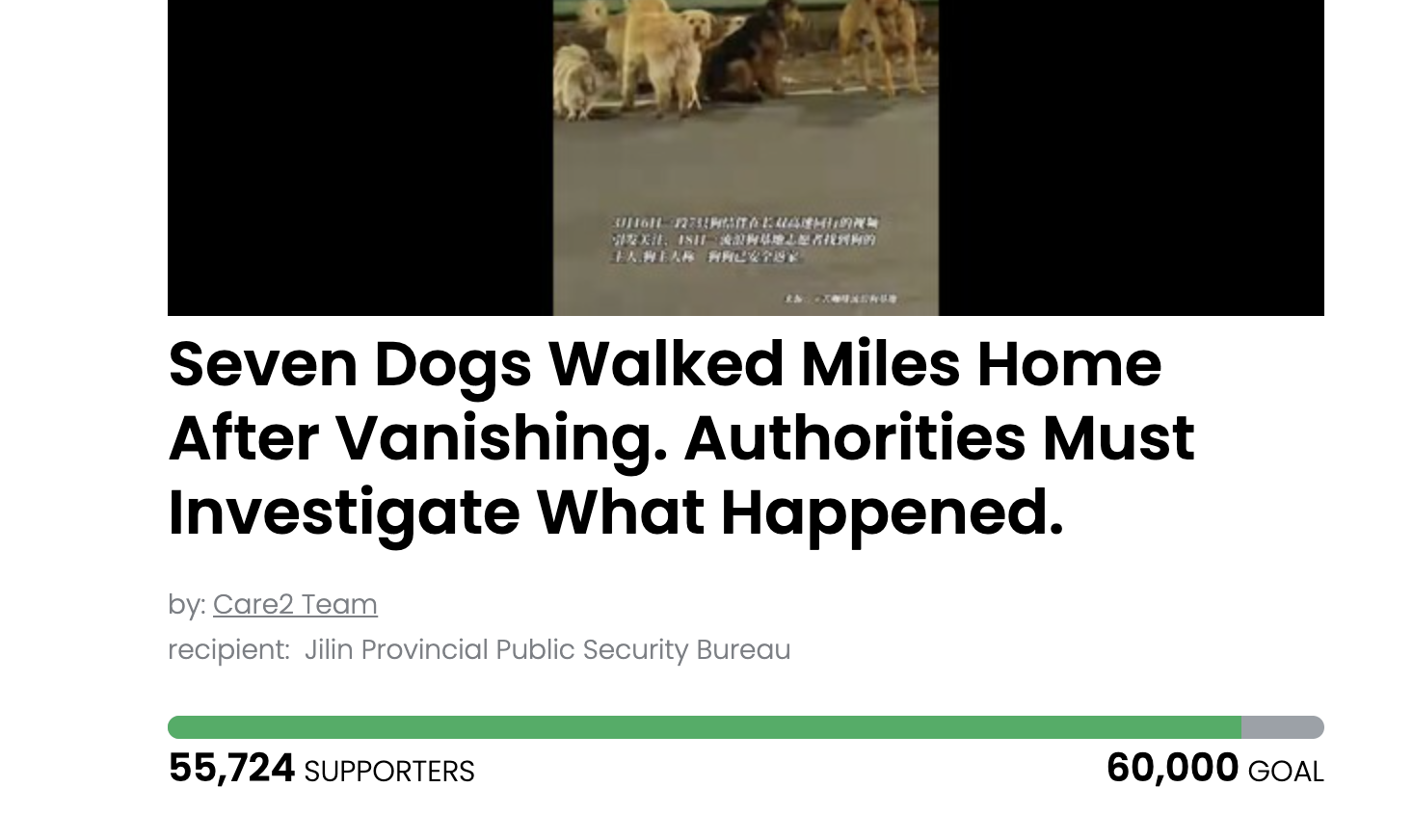
Investigate what happened to these animals!
*Petition description may be disturbing
Dog Food and Supplement Recalls
Here are the recent recalls and advisories:
- Raaw Energy - Dog Food: Potential Listeria Contamination
- Albright's Raw Pet Food - Chicken Recipe for Dogs: Potential Salmonella
Exposure
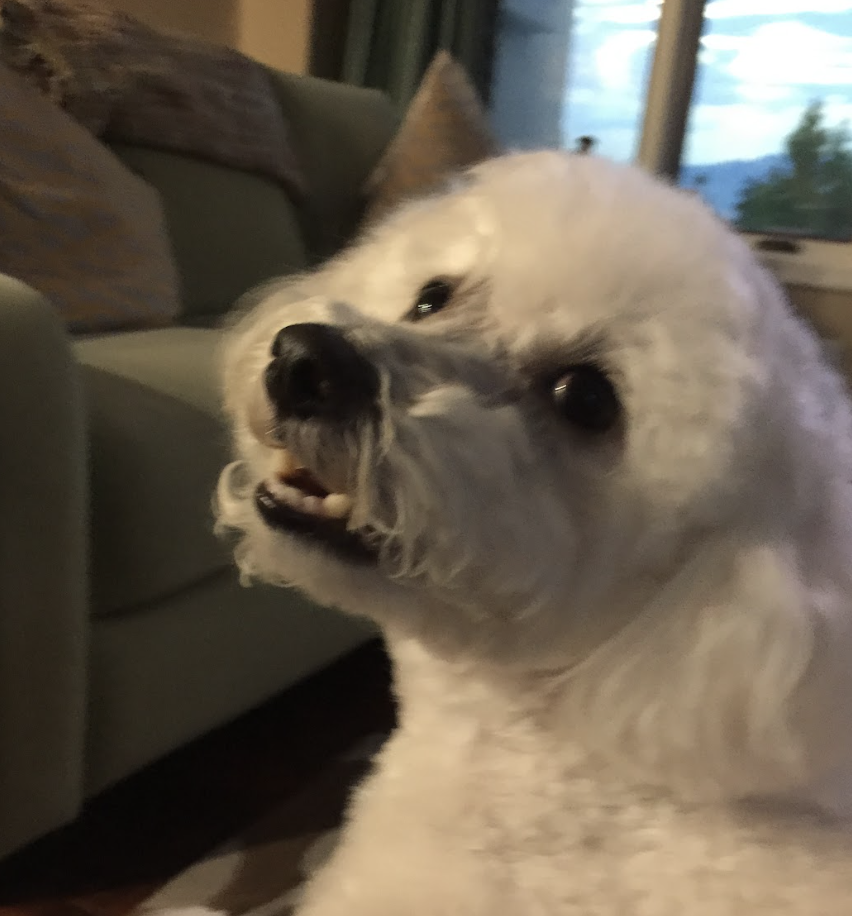
Family Photo of the Day: Bambam!
Want to help find lost pets?
Download our RoverAlert app to receive notifications of missing pets in your area.
We want to feature your pup!
We want to share your pup with our pack. Email us your favorite doggy pic or video with your pup’s name, and we'll try to feature it as a family photo in one of our upcoming newsletters or on our Facebook page.
|
|
*New accounts only, limit 1 per account, additional terms apply.