
🐶❤️🐶 Do senior dogs start to snore? 🐶❤️🐶
In today's issue:
-Meet our dog of the day
-Enjoy a laugh with our dog meme of the day
-Get great information in our featured article
-Take our action of the week
-Check out our family photo of the day
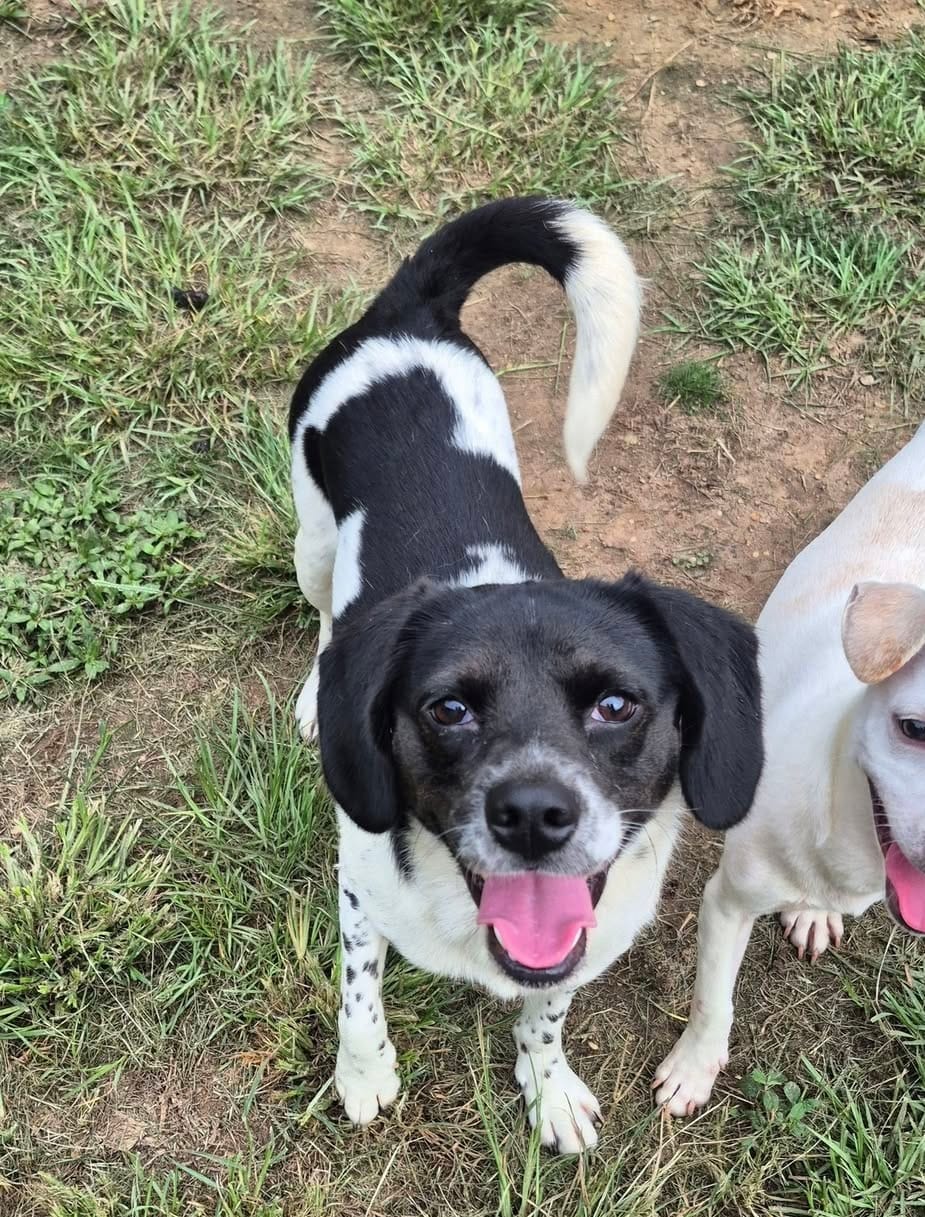
Adoptable Dog(s) of the Day: Morticia!
A sweet 2-year-old pup adoptable from Greta's Ark Animal Rescue in Louisiana
Want your pup to be featured here?
Join our Facebook group - Post Your Pooch!
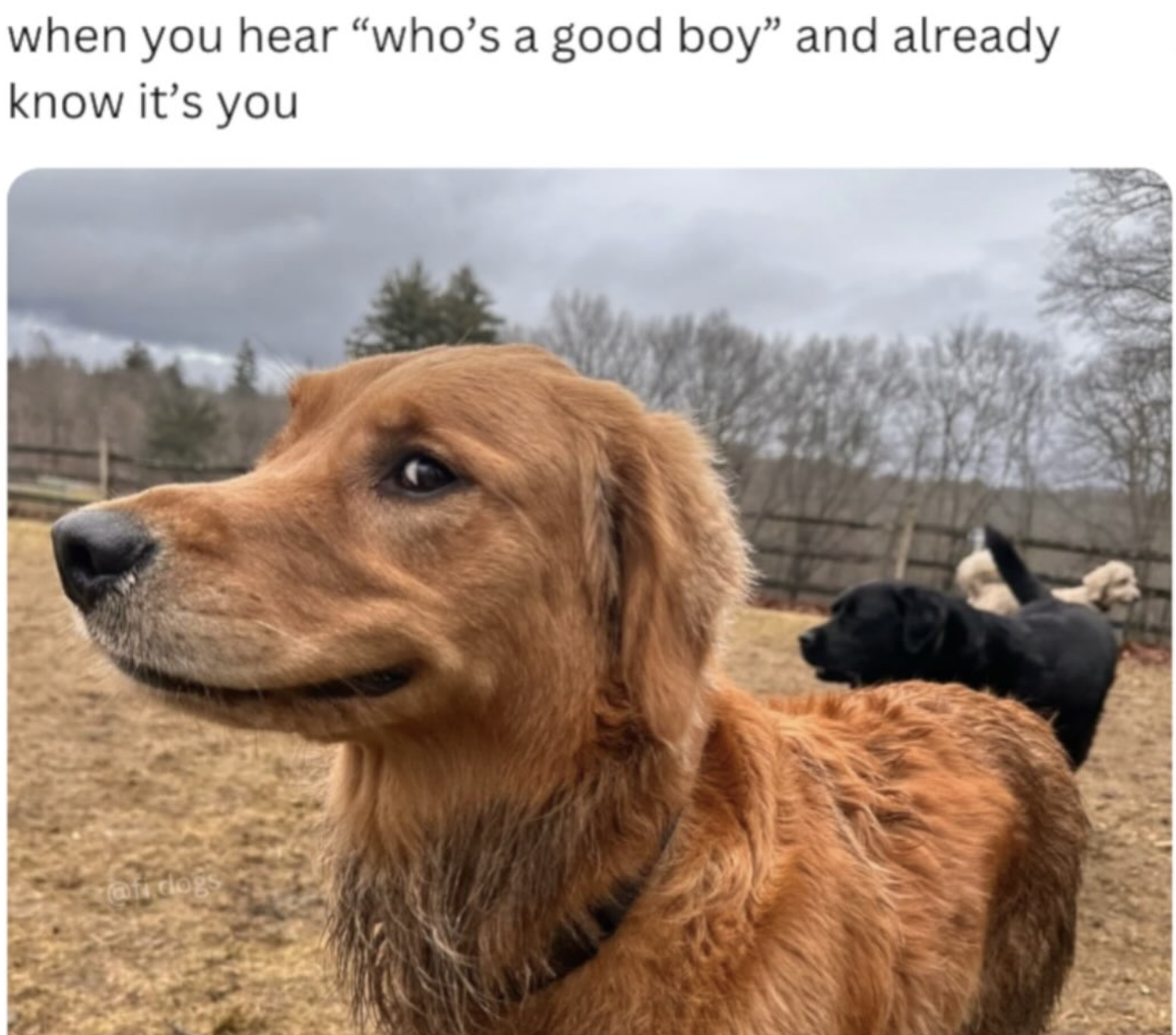
Meme of the day: True!
Costco’s Best-Kept Secrets: 10 Weird Tricks Only Superfans Know
Do you shop at Costco? Then you know the thrill of saving money. But you might be missing other smart ways to stretch your dollars. Check out our list of genius money hacks—almost as good as that $1.50 hot dog!
Why Senior Dogs Start to Snore
There is a quiet magic in watching an old dog sleep. Their muzzles turn silver, their dreams seem to grow a little deeper, and often, a new sound enters the living room rhythm: a soft, gentle, steady snore. For many pet parents, this cozy soundtrack brings a smile—a sign of a dog who feels completely safe and relaxed in their home. But if your once-silent sleeper has recently transformed into a tiny engine of rhythmic rumbles, you might wonder what is actually changing inside as the years roll on.
As dogs journey into their golden years, snoring is remarkably common. While it is usually just a natural byproduct of aging, understanding the physical shifts behind those sleepy saws can help you keep your senior pup comfortable, happy, and well-rested.

Relaxed Muscle Tone
Just like humans, dogs experience a gradual loss of muscle tone as they grow older. This includes the muscles around the throat, nasal passages, and soft palate. During deep slumber, these tissues relax a bit more than they used to. As your dog inhales and exhales, the surrounding air causes these softer, less taut tissues to vibrate, creating that familiar, rhythmic snoring sound.
Changing Weight and Metabolism
Senior dogs naturally slow down. Walks become a gentle stroll, playtime gets a little shorter, and their metabolism shifts into lower gear. With this slowdown comes a tendency to pack on a few extra pounds. Even modest weight gain around the neck and chest places slight pressure on the trachea and respiratory tract, making air movement a little noisier when your dog is completely relaxed.
New Sleeping Positions for Older Joints
Stiff joints and arthritis mean your senior dog is constantly trying to find the sweetest spot on their bed. They might contort into funny shapes—resting their chin at an awkward angle or curling into a tight ball—simply to relieve pressure on aching hips or shoulders. These modified sleeping angles often bend the neck in ways that narrow the airway, turning normal breathing into an audible soft buzz.
Shifts in Nasal and Airway Elasticity
Over time, the delicate lining of a dog's nasal passages and respiratory tissues loses some of its youthful elasticity. Senior dogs are also slightly more susceptible to environmental irritants like dust, pollen, or dry indoor winter air. Minor inflammation or dryness in the nasal lining creates tiny airflow disruptions, which easily turn into soft bedtime snores.
When Should You Double-Check with the Vet?
While gradual snoring in an aging dog is usually nothing more than a cozy sign of deep relaxation, sudden changes deserve a quick check-in with your veterinarian. Mention it at your next visit if you notice:
- Abrupt onset: Your dog goes from silent sleeping to loud snoring overnight.
- Signs of distress: Choking, gasping, or visible trouble catching their breath while asleep.
- Nasal discharge: Sneezing, coughing, or runniness during waking hours.
- Lethargy: Low energy during the day that goes beyond normal senior slowing down.
For most grey-muzzled companions, though, snoring is simply one of the gentlest reminders of a life well-lived—a sign that after years of running, playing, and guarding your heart, they finally feel peaceful enough to drift into the deepest, softest kind of rest.
|
|
Take action for animals!
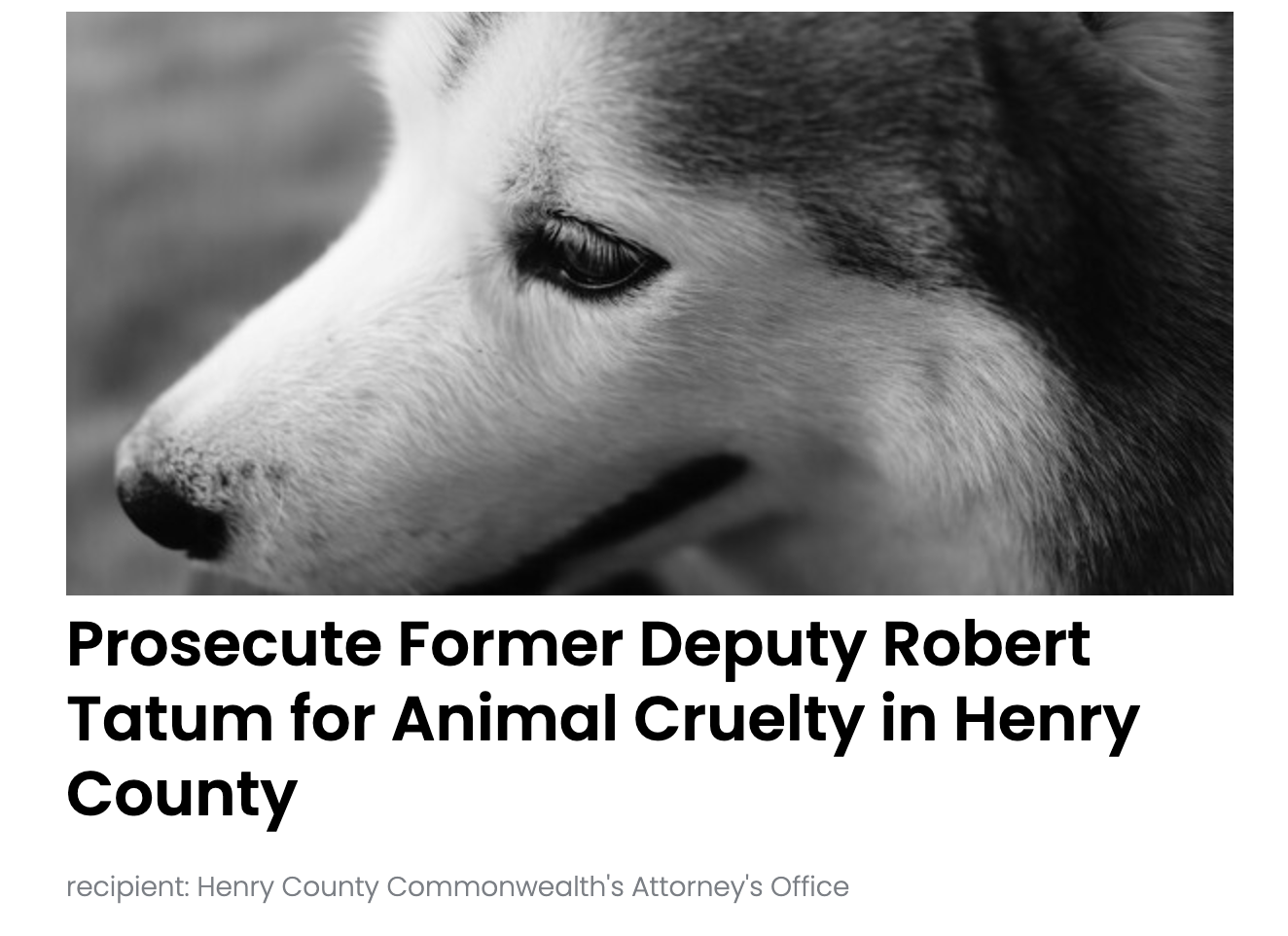
Demand justice for a sweet Husky!
*petition description may be disturbing
Dog Food and Supplement Recalls
Here are the recent recalls and advisories:
- Pedigree - High Protein Chopped Chicken & Duck Flavor Wet Dog Food: Potential plastic contaminants
- Steve's Real Food - Freeze-Dried Chicken Recipe Cat and Dog Food: Possible Low Thiamine Levels (B1)
- Raaw Energy - Dog Food: Potential Listeria Contamination
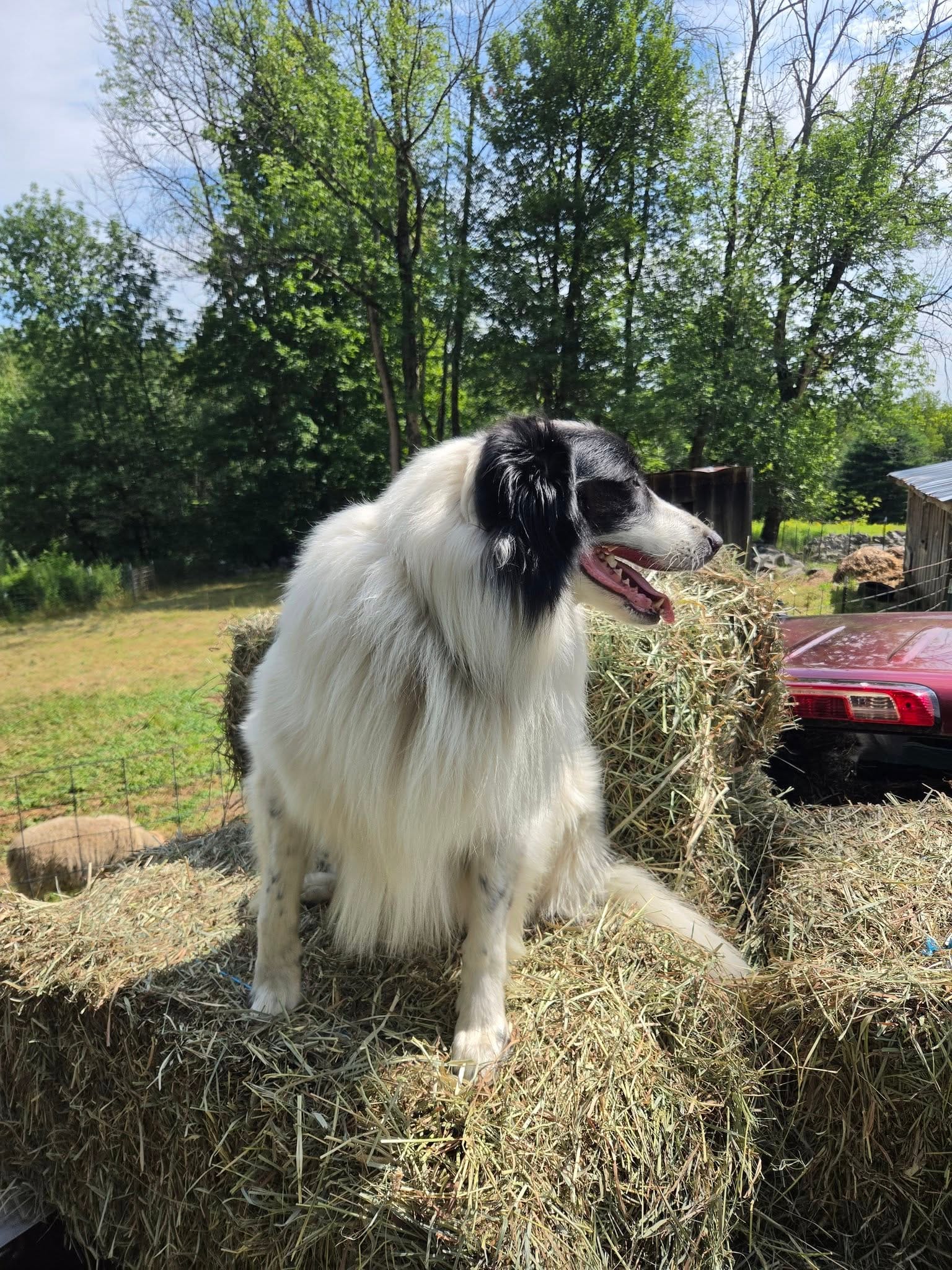
Family Photo of the Day: Jack!
Want to help find lost pets?
Download our RoverAlert app to receive notifications of missing pets in your area.
We want to feature your pup!
We want to share your pup with our pack. Email us your favorite doggy pic or video with your pup’s name, and we'll try to feature it as a family photo in one of our upcoming newsletters or on our Facebook page.
|
|