
🐶❤️🐶 Do dogs start aging more rapidly as seniors? 🐶❤️🐶
In today's issue:
-Meet our adoptable dog of the day
-Enjoy a laugh with our dog meme of the day
-Get great information in our featured article
-Take our action of the week
-Check out our family photo of the day
Adoptable Dog(s) of the Day: Orian!
2-year-old lovable pup in need of a forever home from Oregon Dog Rescue in Portland, Oregon

Join our Facebook group - Post Your Pooch!
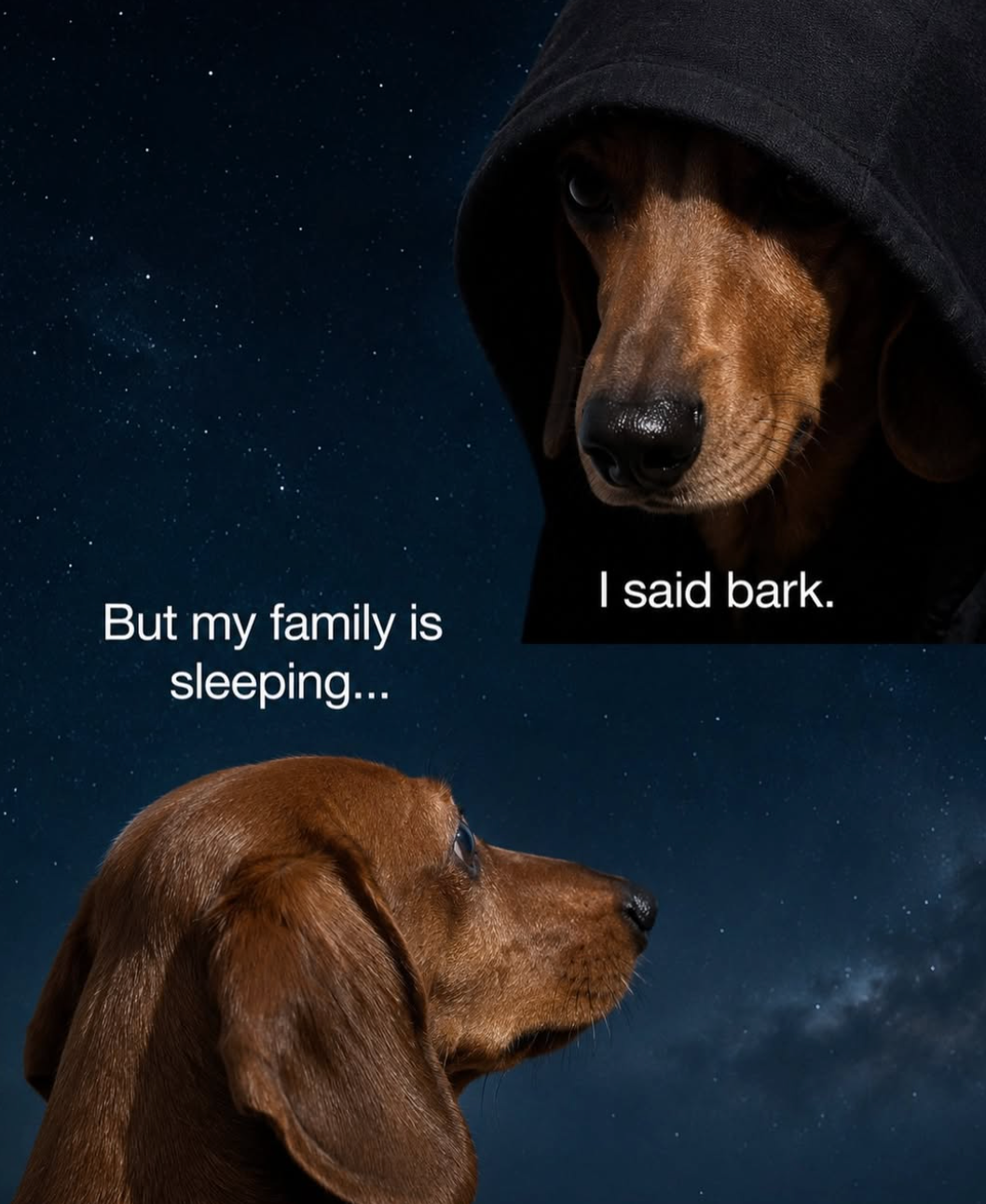
Meme of the day: Uh oh!
$7,000 for one pet surgery. Would your budget survive it?
Vet costs have climbed fast, and the numbers catch most pet owners off guard. Common procedures now run up to $7,000, and a serious diagnosis like cancer can climb past $10,000. Pet insurance exists for exactly these moments, with some plans reimbursing up to 90% of the bill and coverage starting around $10 a month. I Love Every Dog readers can use Money's guide to compare the top-rated options and lock in a plan before the emergency, not after.
Compare 2026's best pet insurance plans on Money.com
Do Dogs Age Faster Once They Become Seniors?
One year they’re chasing tennis balls with relentless energy, and the next, they’re choosing a soft spot in the sun over a second game of fetch. Dogs aging and becoming seniors can be a huge blessing for pet parents who watch their best friends' muzzles turn grey. But it is also a heart-wrenching process.
It naturally makes many dog owners wonder: Do dogs actually start aging faster once they reach their senior years?
The short answer is no, their biological clocks don't suddenly speed up—but the effects of aging become much more visible.

The Biological Clock vs. The Cumulative Effect
To understand senior aging, it helps to clear up a common myth. Dogs don't experience an accelerated biological aging process late in life; rather, aging is a cumulative process.
Throughout a dog’s life, normal cellular wear and tear happens gradually. When they are young, their bodies are highly efficient at repairing tissue, bouncing back from inflammation, and maintaining muscle mass. As dogs enter their senior years (typically around age 7 for large breeds, and age 10 to 11 for smaller breeds), two major shifts occur:
- Cellular Repair Slows Down: Their bodies lose some of their efficiency in repairing natural damage.
- The Tipping Point: Minor issues that built up quietly for years, like slight joint friction, reduced cartilage, or mild dental disease, finally cross the threshold where they cause visible symptoms.
Because several small changes reach this tipping point around the same time, it can feel like your dog aged overnight. In reality, it’s just the visible outcome of a long, slow process.
Size Matters: The Lifespan Paradox
When talking about canine aging, breed and size play a massive role. Surprisingly, dogs are one of the few species where larger body size correlates with a shorter lifespan.
| Dog Size Class | Typical Senior Entry Age | Why They Age Differently |
| Small / Toy Breeds (Chihuahua, Poodle) | 10–12 years | Lower metabolic growth demands; tend to live the longest (15+ years). |
| Medium Breeds (Beagle, Australian Shepherd) | 8–9 years | Balanced metabolic rate; steady trajectory throughout life. |
| Large & Giant Breeds (Dane, Mastiff) | 5–6 years | Rapid early growth creates higher oxidative stress and faster age-related decline. |
Because giant breeds grow so rapidly from puppies into massive adults, their bodies experience greater overall biological stress, causing senior conditions to manifest much earlier in life compared to a toy poodle.
Early Signs of the Golden Years
Catching senior changes early lets you make adjustments before your dog experiences discomfort. Keep an eye out for these subtle shifts:
- Changes in Mobility: Hesitation before jumping into the car, taking longer to stand up after a nap, or stiff movements on cold mornings.
- Sensory Changes: Clouding in the eyes (lenticular sclerosis or cataracts) and sleeping through noises that used to wake them immediately.
- Shift in Sleep Patterns: Sleeping more deeply during the day, or occasionally pacing and feeling restless at night.
- Weight and Muscle Changes: Unexplained weight loss or loss of muscle mass along the spine and hind legs, even if their appetite remains normal.
How to Help Your Senior Dog Thrive
While you can’t pause time, you can drastically improve the comfort and quality of your dog’s senior years. Simple home modifications and proactive vet care make a world of difference:
- Switch to Bi-Annual Vet Visits: Senior dogs benefit greatly from check-ups every six months. Regular bloodwork and joint evaluations can catch conditions like kidney disease, arthritis, or thyroid issues long before outward symptoms appear.
- Protect Their Joints: Invest in an orthopedic memory-foam bed, put non-slip rugs over smooth hardwood floors, and use doggy ramps or stairs for couches or cars to prevent unnecessary joint impact.
- Keep Moving (Gentle Exercise): Don't stop activity altogether! Short, frequent, low-impact walks help keep joints lubricated and maintain crucial muscle mass.
- Engage Their Brain: Senior dogs need mental exercise too. Sniff walks, puzzle toys, and gentle training sessions keep their minds sharp and help stave off cognitive decline.
Aging isn't a race your dog is suddenly sprinting toward—it's just a new chapter of their life unfolding. With a little extra patience, softer bedding, and proactive care, their senior years can be some of the sweetest, most rewarding time you spend together.
|
|
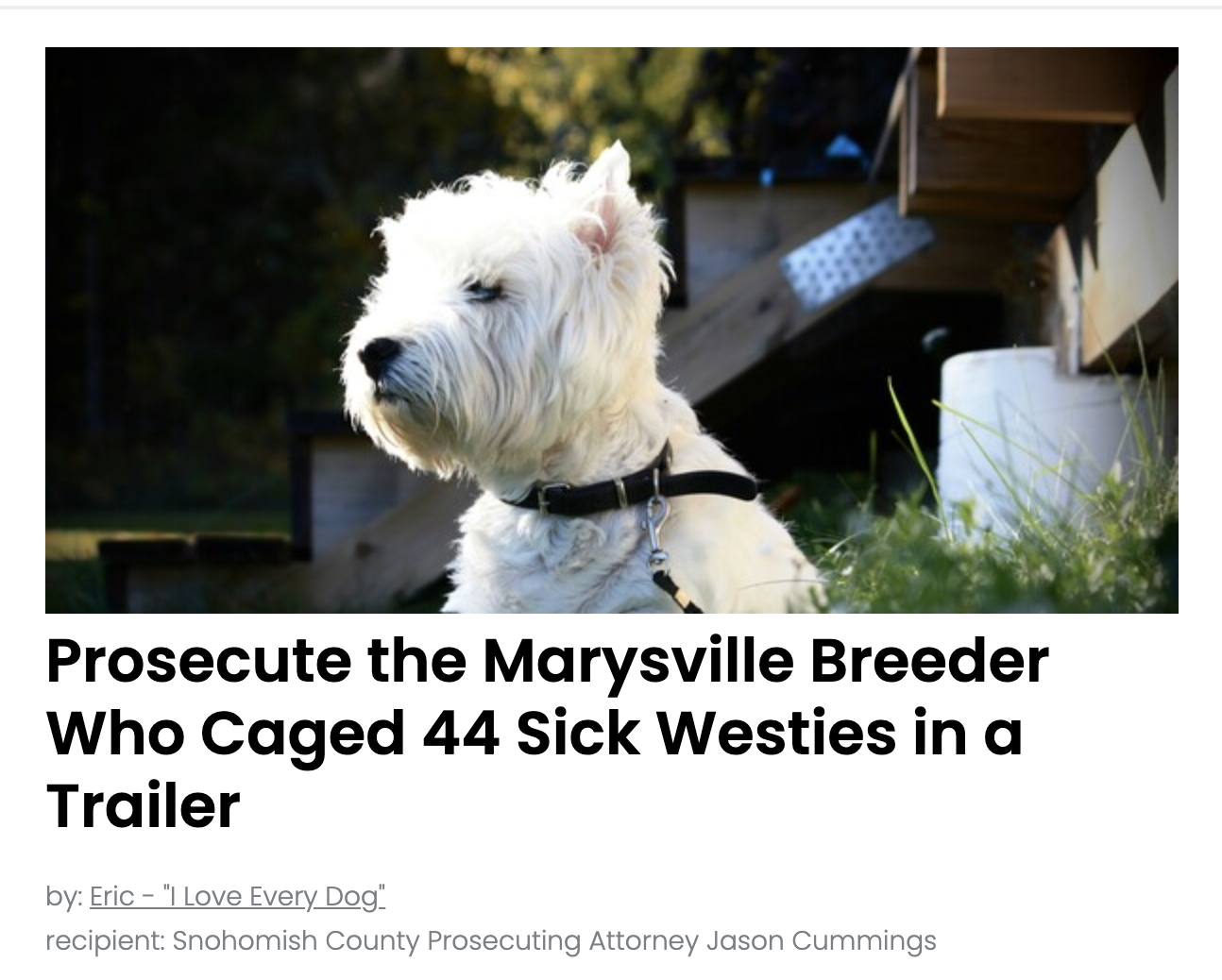
Take action for animals!
Demand justice for these dogs!
*petition description may be disturbing
Dog Food and Supplement Recalls
Here are the recent recalls and advisories:
- FI - Pet Supplements: Potential Salmonella Contamination
- Northwest Naturals - Chicken Recipe: Potential Salmonella and/or Listeria Monocytogenes Contamination
- Fromm - Wet Canned Dog Food: Potential Metal Contamination
- Oma's Pride - Canine Food: Contaminated with Salmonella
- Pedigree - High Protein Chopped Chicken & Duck Flavor Wet Dog Food: Potential Plastic Contaminants
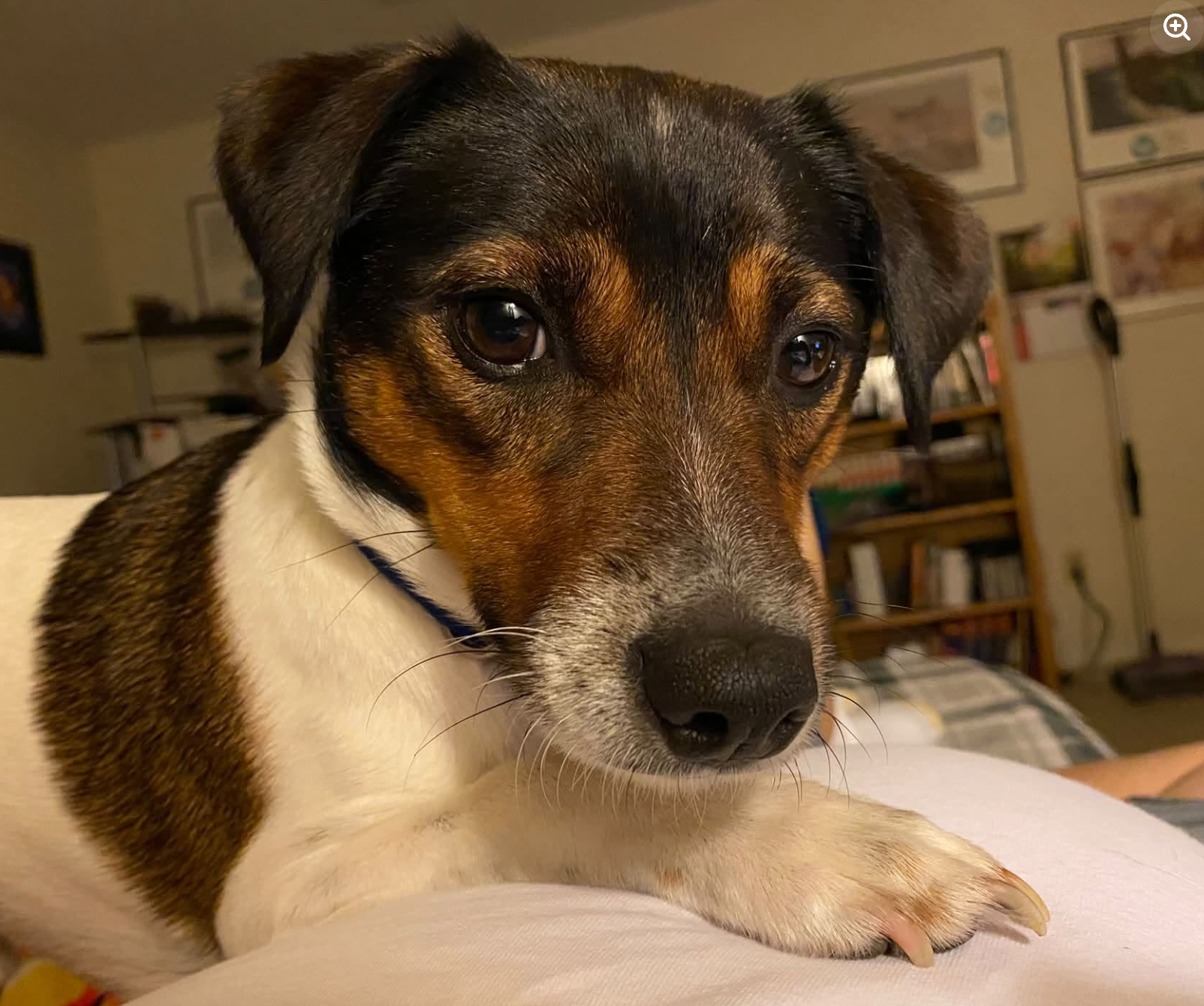
Family Photo of the Day: Chester!
Want to help find lost pets?
Download our RoverAlert app to receive notifications of missing pets in your area.
We want to feature your pup!
We want to share your pup with our pack. Email us your favorite doggy pic or video with your pup’s name, and we'll try to feature it as a family photo in one of our upcoming newsletters or on our Facebook page.
|
|