
🐶❤️🐶 Can dogs really detect cancer? 🐶❤️🐶
In today's issue:
-Meet our dog of the day
-Enjoy a laugh with our dog meme of the day
-Get great information in our featured article
-Take our action of the week
-Check out our family photo of the day
Dog(s) of the Day:

Want your pup to be featured here?
Join our Facebook group - Post Your Pooch!
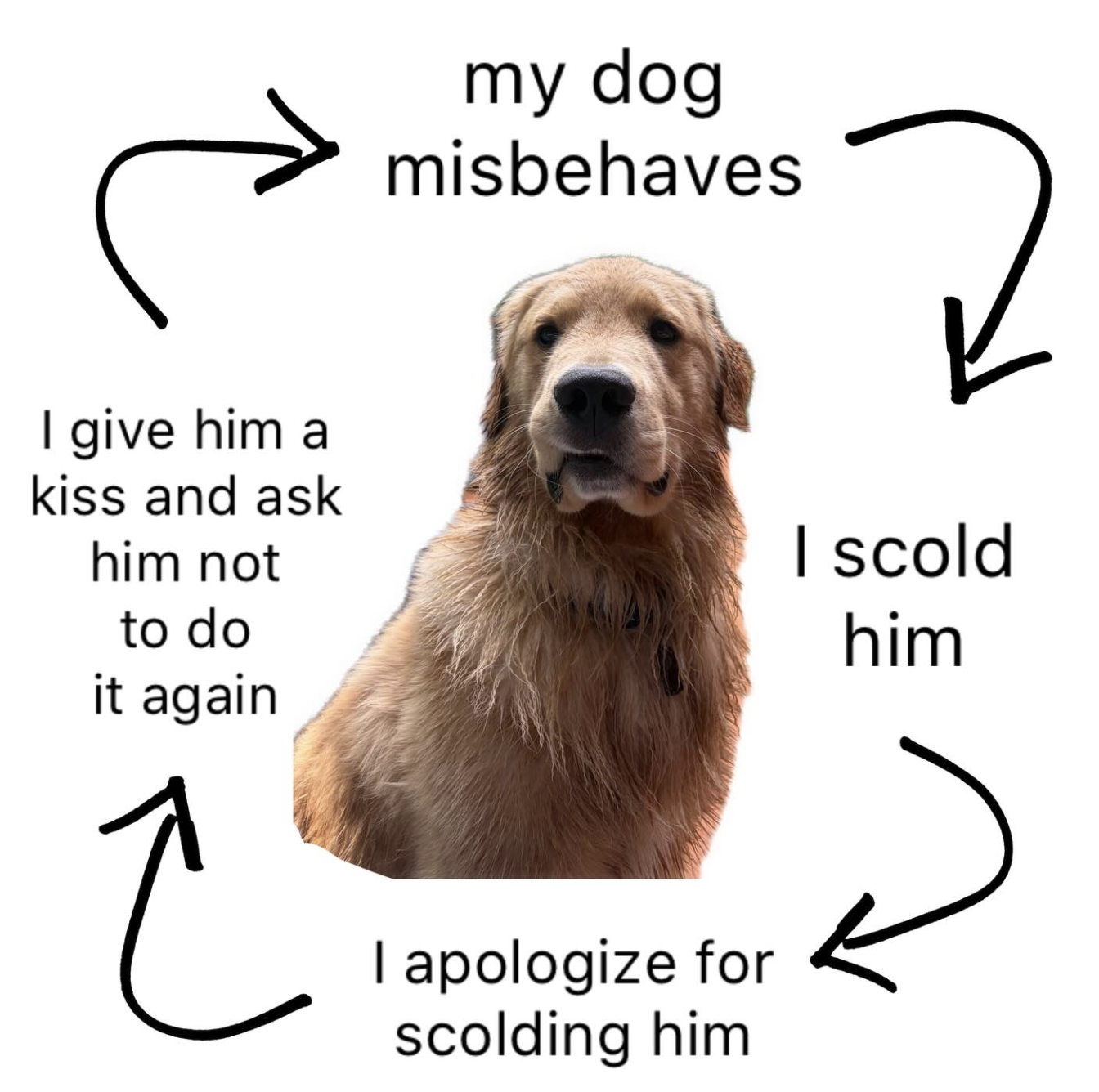
Meme of the day: It's a full-time job!
Getting a Passport Shouldn’t Be Complicated
RSVP Passports makes the entire process easy, from selecting the right service to submitting error-free documents and getting your passport delivered fast. No long forms. No confusing steps. No stress.
How Our Best Friends Are Becoming Cancer Detectives
We all know that dogs possess an almost magical ability to read our emotions. They know when we are sad, they celebrate when we are joyful, and they seem to possess a sixth sense for when we just need a warm chin resting on our knee. But over the last few decades, scientists have been uncovering a very real, breathtakingly powerful "superpower" hidden right at the end of a dog's wet nose: the ability to sniff out cancer.
What started as scattered stories from astonished pet owners has blossomed into a fascinating frontier of modern medicine. It turns out that man’s best friend might just be one of our most gifted lifesavers.

A World Built on Scent
To understand how a dog can detect an illness like cancer, we first have to try to imagine the world the way they experience it. While humans are primarily visual creatures, dogs "see" the world through a complex, deeply textured tapestry of odors.
To put their olfactory excellence into perspective, humans have about 5 million scent receptors in their noses. A bloodhound has closer to 300 million. The part of a dog’s brain dedicated to analyzing smells is, proportionally, 40 times larger than ours.
If you or I look at a cup of coffee with a teaspoon of sugar in it, we just see coffee. A dog can smell the sugar. In fact, a dog’s sense of smell is so precise that they could detect a single teaspoon of sugar diluted into two Olympic-sized swimming pools.
What Does Cancer Smell Like?
Cancer sounds like a purely structural or genetic disease, but it fundamentally changes the chemistry of our bodies. When malignant cells grow, they alter cellular metabolism and shed unique waste products. These tiny, airborne chemical markers are called Volatile Organic Compounds (VOCs).
While these VOCs are completely invisible to human senses and even tough for standard laboratory equipment to catch in early stages, they escape our bodies through our breath, sweat, and urine. And to a trained dog, they stand out like a neon sign.
Through gentle, reward-based training—often using a specialized carousel or "scent wheel" with different samples—dogs learn to sit, freeze, or give a specific signal when they find the target scent.
The Remarkable Stats of the Sniff
Medical detection dogs have successfully identified a striking variety of cancers, including lung, breast, ovarian, prostate, and colorectal strains. In several peer-reviewed studies, trained dogs have achieved accuracy rates above 90%, sometimes even outperforming traditional lab tests at identifying the very earliest stages of the disease.
From the Lab to the Clinic: The Future
If dogs are so incredibly accurate, why aren't they sitting in every doctor’s waiting room?
As wonderful as they are, dogs are living beings. They get tired, they have off-days, and they can get distracted by a passing fly or a rumbling tummy. Because of this, researchers aren't necessarily trying to turn dogs into standard diagnostic tools. Instead, they are studying how dogs do it to build better technology.
Scientists are currently using the data gathered from these incredible canines to develop "electronic noses" (e-noses)—highly sensitive bio-sensors that mimic a dog's nasal passages. The goal is to create non-invasive, affordable screening tools that can catch cancer early from a simple breath or urine sample.
More Than Medicine
The science is thrilling, but there is something deeply moving about this intersection of nature and medicine. For thousands of years, dogs have guarded our homes, herded our livestock, and kept us company.
Today, they are standing beside us in a completely new way. Whether they are working in a sterile research lab pinpointing cancer biomarkers, or simply nudging a spot on a loved one's body that later prompts a lifesaving trip to the doctor, dogs continue to prove that their devotion to us runs far deeper than we ever imagined.
The next time your dog greets you at the door with a frantic, enthusiastic sniffing session, take a moment to appreciate the beautiful complexity of that wet nose. They aren't just glad you're home—they are looking out for you in ways science is only beginning to understand.
|
|
Take action for animals!
Protect the geese!
*petition description may be disturbing

Dog Food and Supplement Recalls
Here are the recent recalls and advisories:
- Steve's Real Food - Freeze-Dried Chicken Recipe Cat and Dog Food: Possible Low Thiamine Levels (B1)
- Raaw Energy - Dog Food: Potential Listeria Contamination
- Albright's Raw Pet Food - Chicken Recipe for Dogs: Potential Salmonella
Exposure
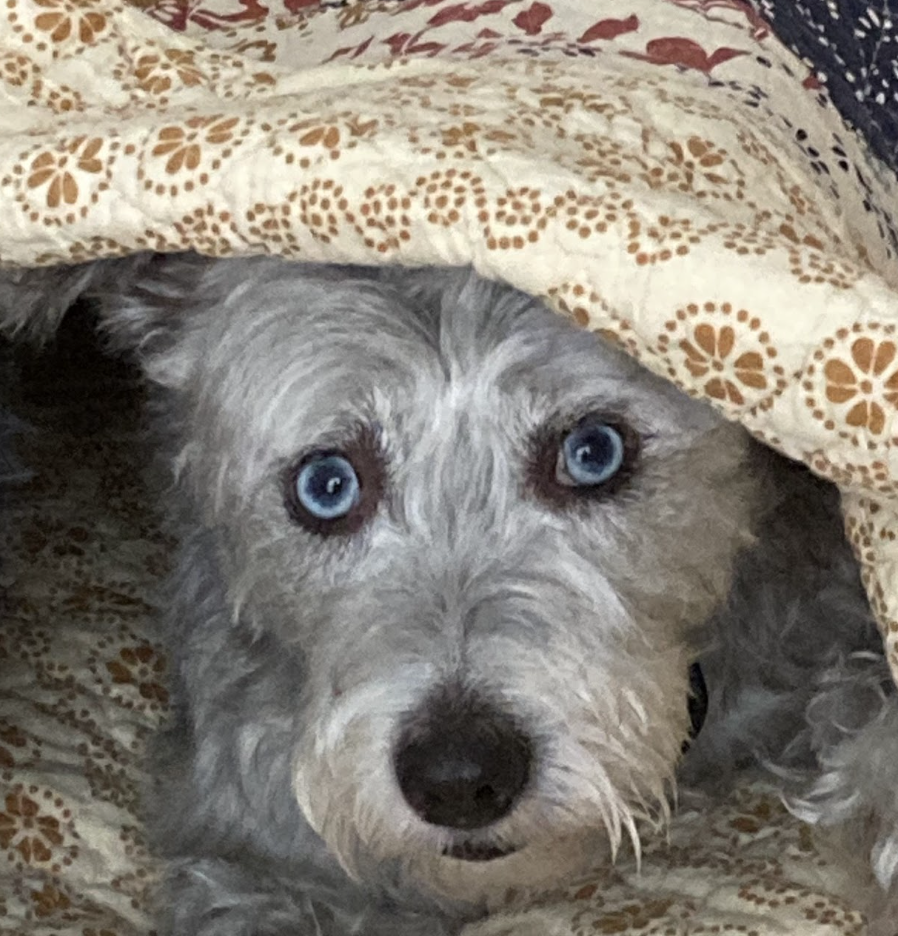
Family Photo of the Day: Luna!
Want to help find lost pets?
Download our RoverAlert app to receive notifications of missing pets in your area.
We want to feature your pup!
We want to share your pup with our pack. Email us your favorite doggy pic or video with your pup’s name, and we'll try to feature it as a family photo in one of our upcoming newsletters or on our Facebook page.
|
|