
🐶❤️🐶 Why do senior dogs get skin tags? 🐶❤️🐶
In today's issue:
-Meet our adoptable dog of the day
-Enjoy a laugh with our dog meme of the day
-Get great information in our featured article
-Take our action of the week
-Check out our family photo of the day
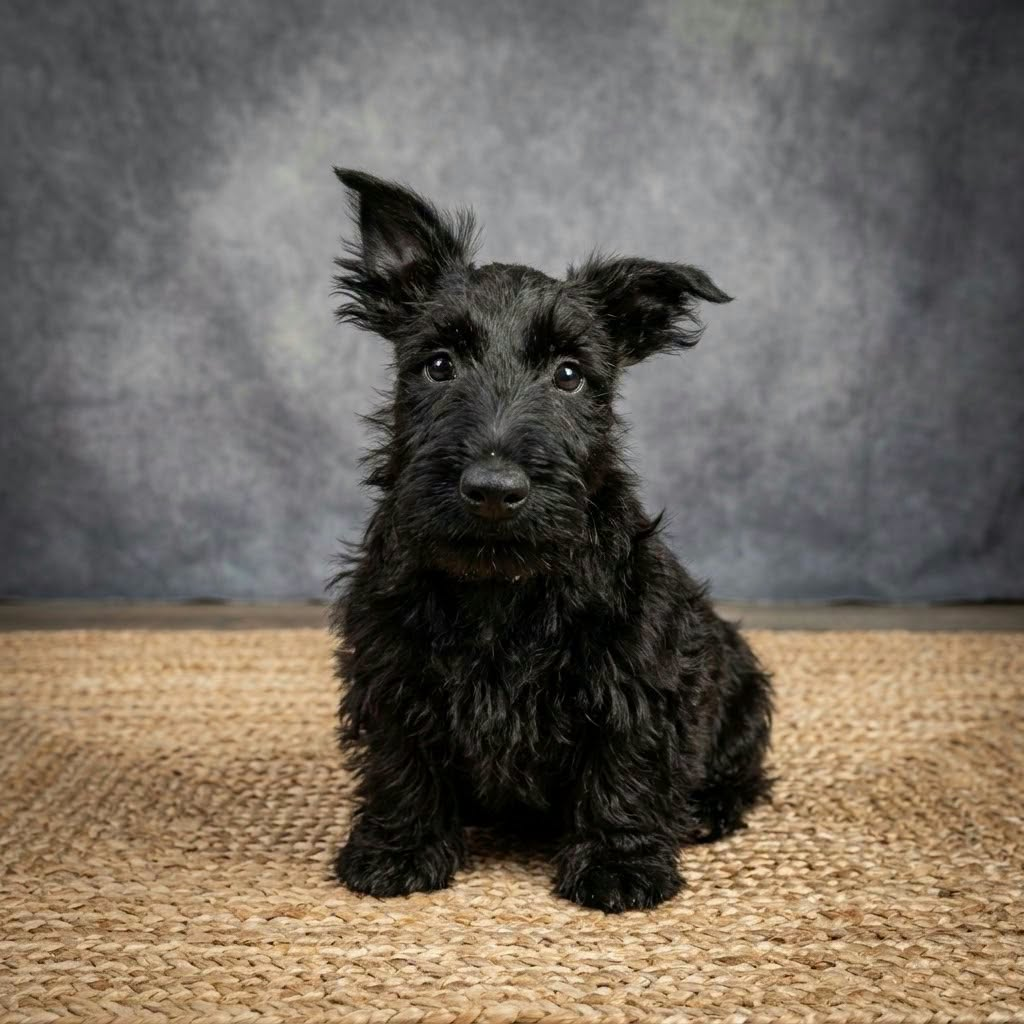
Adoptable Dog(s) of the Day: Dougal!
13-week-old lovable pup in need of a forever home from The Big Mutt Network in Harrison, Arkansas
Join our Facebook group - Post Your Pooch!
Meme of the day: A very important job!

Find auto rates as low as $39/month
Summer means more time on the road — and more reason to make sure you're not overpaying for the insurance that covers it. Road trips, beach runs, weekend getaways all add up. Your insurance bill doesn't have to. Before you hit the highway this summer, take 2 minutes to compare rates on Insurify. Enter your car make and ZIP code and see real quotes from top carriers instantly — no fees, no hassle, no commitment. Drivers are finding coverage starting as low as $39/month. That's more money for gas, hotels, and everything that makes summer worth it. Don't let an overpriced policy slow you down.
Why Senior Dogs Develop Skin Tags
As our four-legged family members grow older, their muzzles turn a beautiful frosted gray, and their fur often begins to tell a visual story of their life's journey. Along with those adorable silver whiskers, you might notice a few new bumps, lumps, or small dangling growths appearing on their skin.
If you've recently felt a tiny, soft, rubbery flap of skin while giving your senior pup their favorite belly rub, don't panic. These little growths are almost always skin tags (known medically as acrochordons or fibroepithelial polyps), and they are a completely normal and very common badge of honor in the doggy aging process.

What Exactly Is a Dog Skin Tag?
A skin tag is a harmless, non-cancerous growth composed of collagen fibers and blood vessels covered by an outer layer of skin. They are typically soft, pliable, and match your dog's skin tone or appear slightly darker. Unlike warts or firm tumors, skin tags usually attach to the body by a small, thin stalk (called a pedicle), making them feel like a tiny dangling teardrop.
While they can show up on dogs of any age, they are overwhelmingly most common in senior dogs.
The Common Causes Behind Senior Dog Skin Tags
Why do these little bumps seem to sprout overnight once a dog enters their golden years? Several factors play a role:
- Friction and Wear-and-Tear: Just like in humans, skin tags frequently form in areas where skin rubs against skin, collar leather, or a harness. Over years of playing, walking, and cuddling, these friction zones experience micro-irritations that stimulate extra tissue growth. Common spots include:
- Underneath the armpits (axillary region)
- Around the chest and groin
- On the elbows or pressure points from resting on hard floors
- Along the neck where the collar sits
- Aging Skin and Collagen Breakdown: As dogs age, the structure of their skin naturally changes. Collagen density decreases, skin loses some of its elasticity, and cell turnover alters. This natural aging shift makes it easier for small overgrowths of connective tissue to push outward.
- Overactive Oil Glands: Senior dogs frequently experience changes in their sebaceous (oil) glands. Sometimes a clogged gland or localized skin inflammation can trigger the skin to overproduce tissue in response.
- Genetic Factors: Certain breeds—such as Boxers, Cocker Spaniels, Poodles, and Great Danes—are genetically predisposed to developing skin growths, including benign skin tags, as they age.
How to Tell a Skin Tag Apart From Other Lumps
It’s always a good habit to monitor any new bump that appears on your dog. Here is a helpful comparison guide to help you distinguish a skin tag from other common bumps senior dogs develop:
| Growth Type | Appearance & Texture | Common Location | Is It Harmful? |
| Skin Tag (Acrochordon) | Soft, skin-colored or dark, dangles on a thin stalk | Armpits, chest, neck, elbows | Harmless (Benign) |
| Dog Wart (Papilloma) | Firm, raised, often has a cauliflower-like texture | Mouth, lips, feet, around eyes | Harmless (Viral, often resolves) |
| Fatty Lump (Lipoma) | Soft, squishy, felt under the skin (movable) | Flank, belly, chest | Harmless (Benign mass of fat cells) |
| Tick | Smooth, oval, hard-bodied, legs attached at skin surface | Anywhere | Harmful (Requires careful removal) |
Do Senior Dog Skin Tags Need to Be Removed?
In the vast majority of cases, no!
Because skin tags are non-cancerous and pain-free, vets generally recommend leaving them alone. However, removal might be considered if:
- The skin tag is located where a collar, harness, or grooming brush constantly catches and bleeds.
- It grows near the eye or mouth and interferes with blinking or eating.
- Your dog frequently bites, scratches, or licks at it, causing secondary infection.
Important Safety Note: Never attempt to tie off, cut, or use human skin tag removal products on your dog at home. Dog skin tags contain active blood vessels and nerves. Removing them without proper veterinary local anesthesia and sterile equipment can cause severe pain, heavy bleeding, and serious infection.
Loving Care for Your Senior Pup's Skin
While you can't completely prevent skin tags from forming as your dog ages, you can keep their skin healthy and comfortable:
- Padded Bedding: Provide soft, supportive orthopedic memory-foam beds to relieve pressure on elbows and hips.
- Proper Harness Fit: Ensure harnesses and collars are padded, clean, and adjusted correctly to minimize rubbing.
- Regular Gentle Grooming: Use soft-bristled brushes during grooming, and take extra care around known skin tags so you don't accidentally pull them.
- Routine Vet Checks: During your senior dog’s regular wellness checkups (ideally twice a year for seniors), ask your vet to do a quick "lump and bump" check to log all skin tags and ensure peace of mind.
|
|
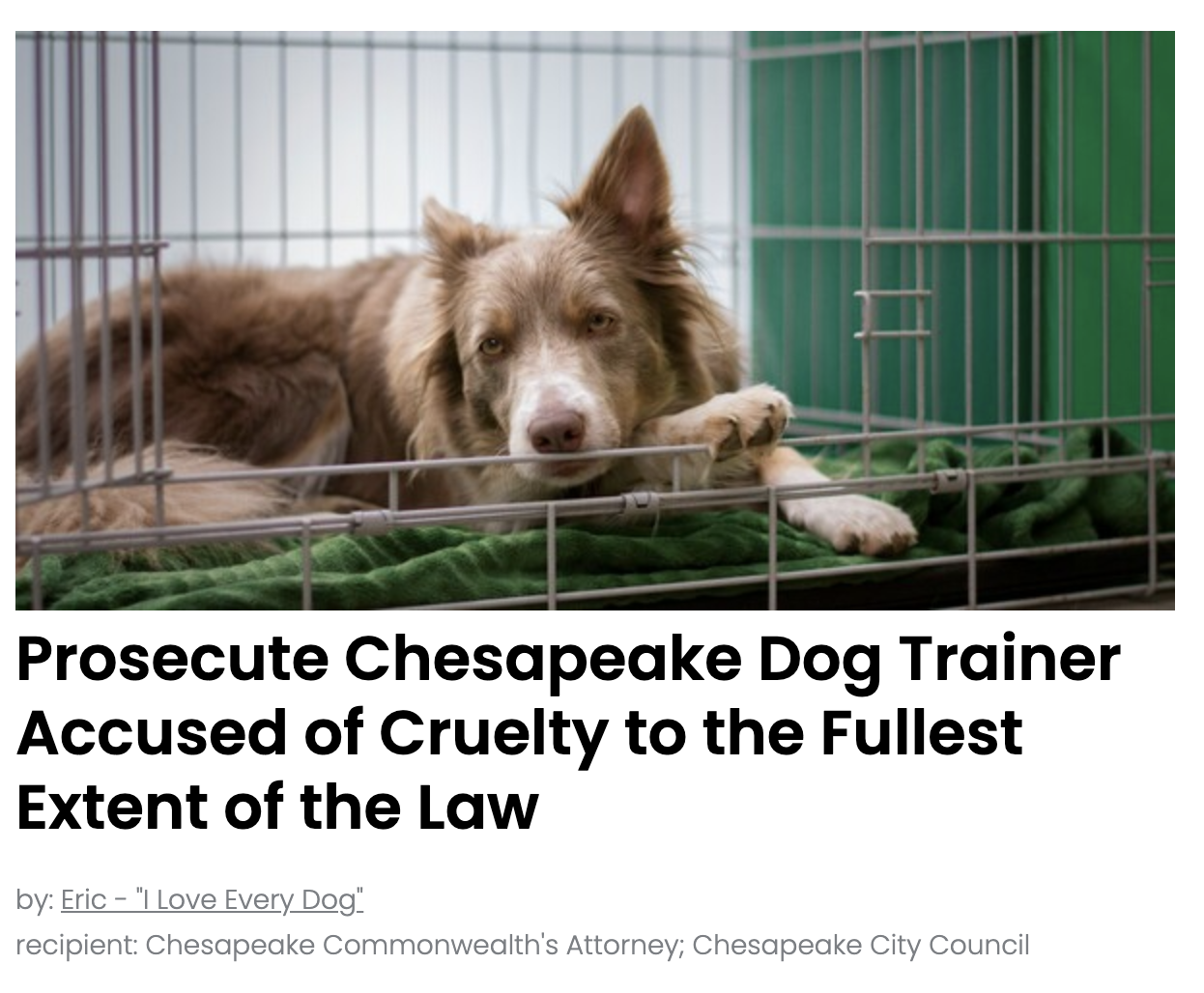
Take action for animals!
Demand justice for these pups!
*petition description may be disturbing
Dog Food and Supplement Recalls
Here are the recent recalls and advisories:
- FI - Pet Supplements: Potential Salmonella Contamination
- Northwest Naturals - Chicken Recipe: Potential Salmonella and/or Listeria Monocytogenes Contamination
- Fromm - Wet Canned Dog Food: Potential Metal Contamination
- Oma's Pride - Canine Food: Contaminated with Salmonella
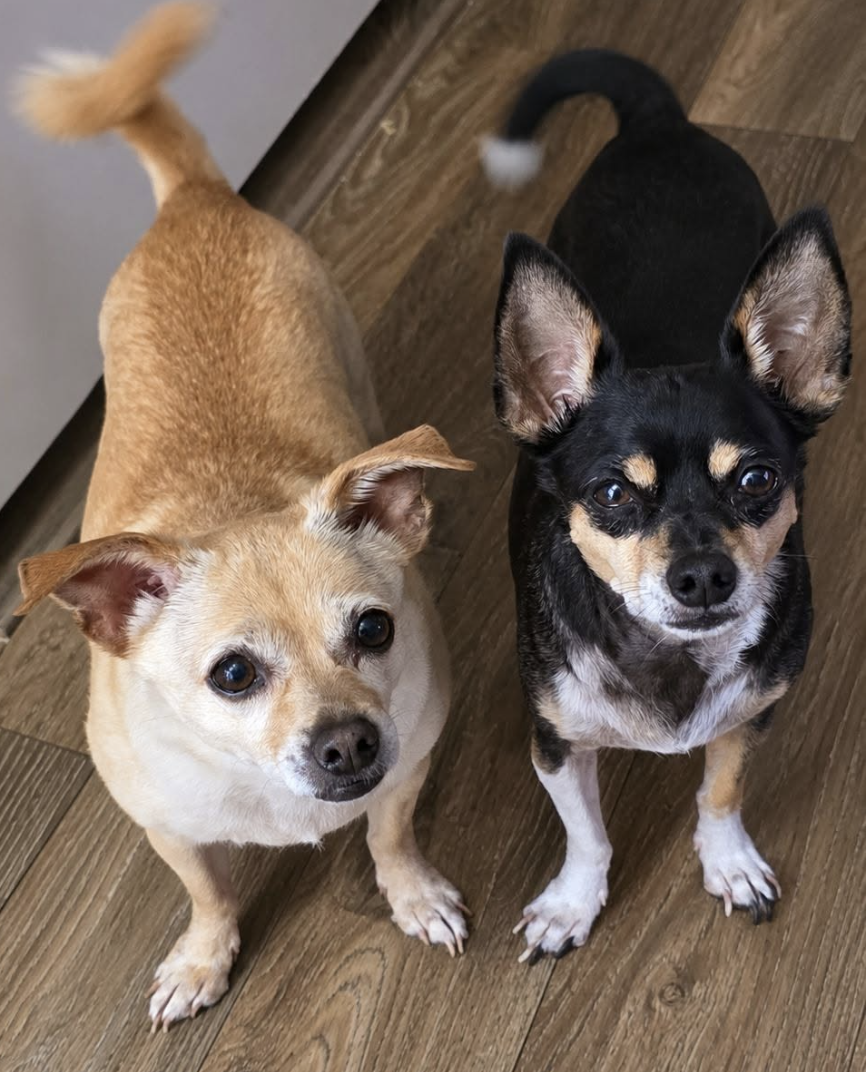
Family Photo of the Day: Samson and Cheyenne!
Want to help find lost pets?
Download our RoverAlert app to receive notifications of missing pets in your area.
We want to feature your pup!
We want to share your pup with our pack. Email us your favorite doggy pic or video with your pup’s name, and we'll try to feature it as a family photo in one of our upcoming newsletters or on our Facebook page.
|
|