
🐶❤️🐶 Why Do Dogs Love Belly Rubs? 🐶❤️🐶
In today's issue:
-Meet our dog of the day
-Enjoy a laugh with our dog meme of the day
-Get great information in our featured article
-Take our action of the week
-Check out our family photo of the day
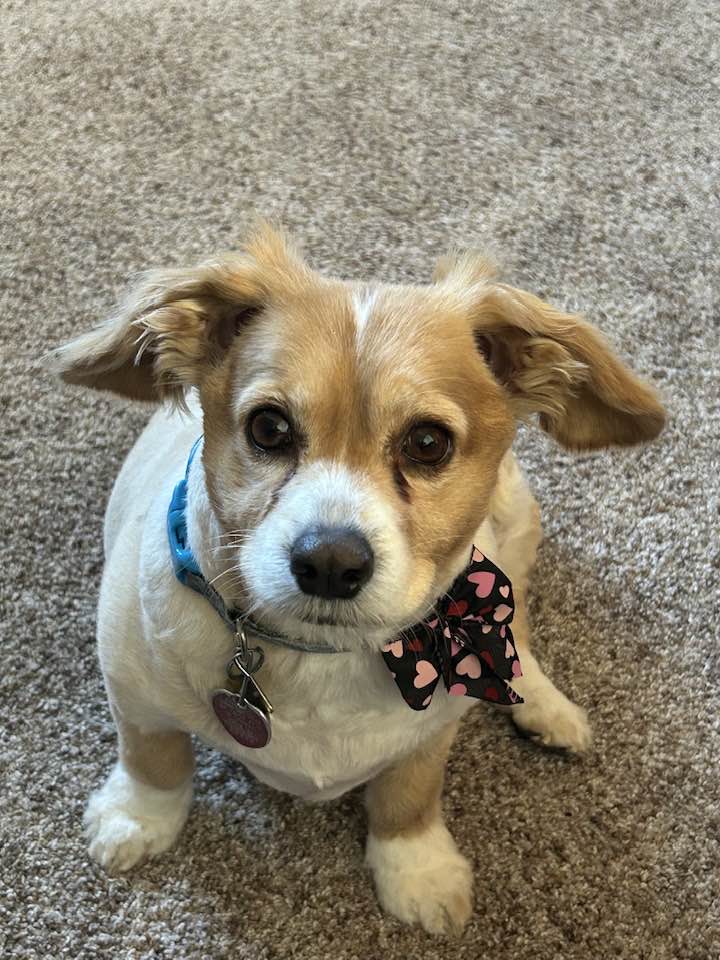
Dog(s) of the Day: Maxx!
Want your pup to be featured here?
Join our Facebook group - Post Your Pooch!
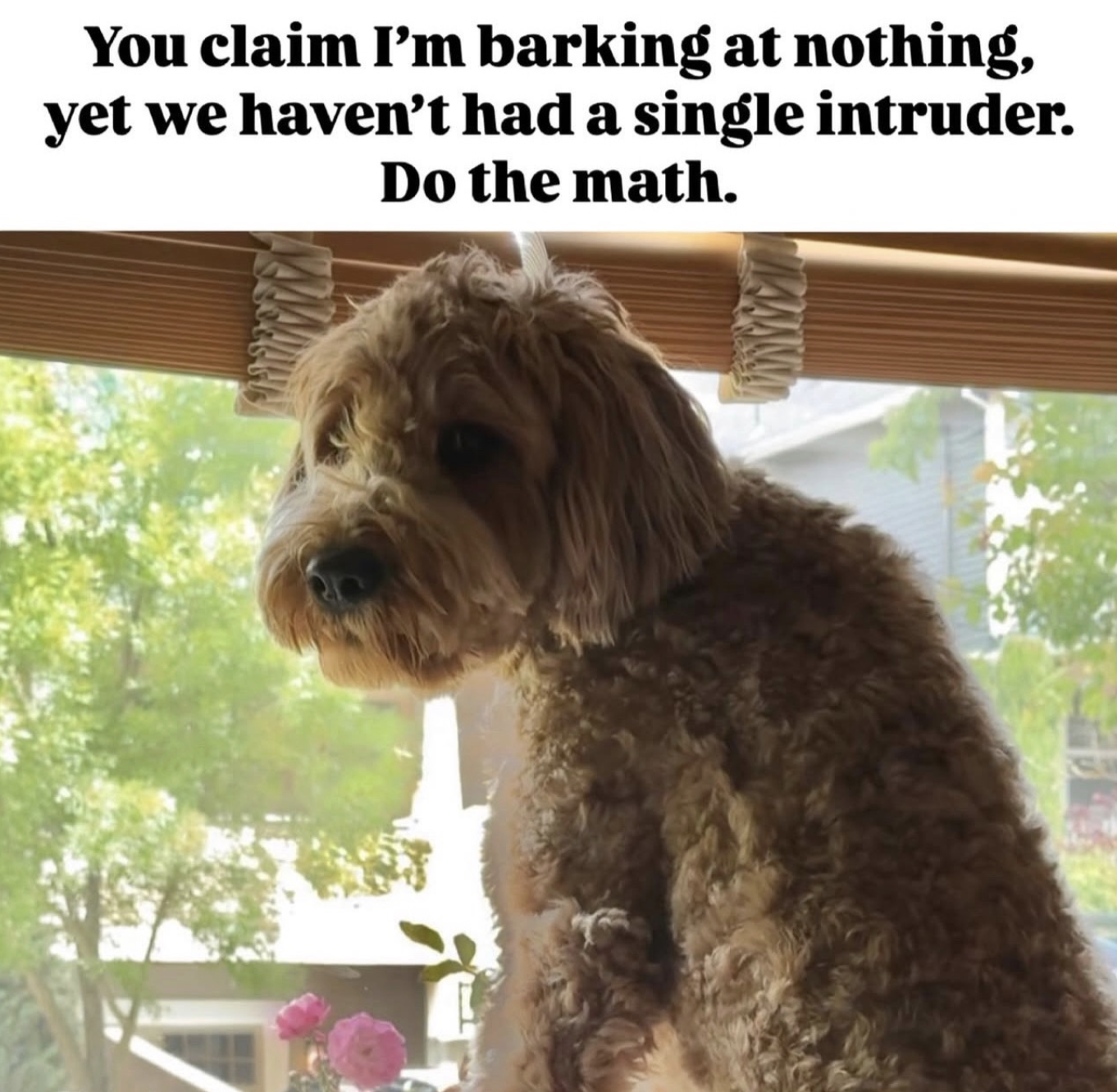
Meme of the day: True!
The Belly Rub: Why Your Dog Flops Over for Love
There are few things as universally charming as the moment your dog decides it’s time for a belly rub. They flop onto their back, legs sprawling, tail wagging rhythmically against the floor, looking up at you with those wide, trusting eyes. It is, quite simply, one of the purest forms of communication between human and canine.
But have you ever wondered why they crave that specific scratch so much? It’s not just a quirk—it’s a blend of biology, evolutionary instinct, and deep emotional connection.

The "Hard-to-Reach" Itch
First and foremost, there is a very practical, physical reason for the belly rub. Dogs have plenty of places on their bodies they can scratch themselves—ears, neck, back—but their bellies are tricky.
- Limited Reach: Even with a good stretch, a dog’s paws can’t easily get to their own abdomen.
- Sensitivity: The skin on a dog’s belly is thinner and more sensitive than the fur-covered skin on their back. A gentle massage from your fingers feels infinitely better than their own rough nails or a quick scratch against the carpet.
The Ultimate Sign of Trust
In the language of the animal kingdom, exposing the belly is a vulnerable position. By lying on their back, your dog is essentially saying, "I trust you with my life."
- Ancestral Instinct: In wolf packs, exposing the underbelly is a submissive gesture, used to signal non-aggression and social bonding.
- Safety: When your dog presents their belly to you, they are letting their guard down completely. They feel safe enough in your presence to leave their vital organs unprotected because they know you are their protector. It is the canine equivalent of a hug.
The "Feel-Good" Neurochemistry
Scientific studies have shown that positive physical touch creates a beautiful feedback loop for both human and dog. When you give your dog a belly rub, you are triggering a release of oxytocin—often called the "love hormone"—in both of you.
This interaction strengthens your bond and lowers stress levels for everyone involved. It’s a moment of shared calm that reinforces their role as a beloved family member and your role as their trusted companion.
That Funny Leg Kick
If you’ve ever hit the "sweet spot" and watched your dog’s back leg start thumping rhythmically against the air, you’ve witnessed the scratch reflex.
It is important to know that this isn't always a sign of pleasure—it is an involuntary, spinal reflex. When you tickle the nerves in their belly, it sends a message to the spinal cord, which tells the leg to kick as if they are trying to scratch away an itch. While many dogs do enjoy the belly rub overall, the leg kick itself is just their body trying to help you out!
Ultimately, a belly rub is more than just a scratch; it’s a moment of connection. It’s an invitation to pause your day, sit on the floor, and share a quiet moment of affection with the creature who loves you most.
Take action for animals!
Sign To Get Justice For This Helpless Dog

Dog Food and Supplement Recalls
Here are the recent recalls and advisories:
- Bonnihill Farms (Fromm Family Foods) - BeefiBowls Beef Recipe gently cooked frozen dog food, 16 oz. chubs for potential plastic contamination
- Foodynamics - Freeze Dried Pet Treats for potential Salmonella contamination.
- Nature’s Own - Pet Chews Bully Bites Treats for potential Salmonella contamination.
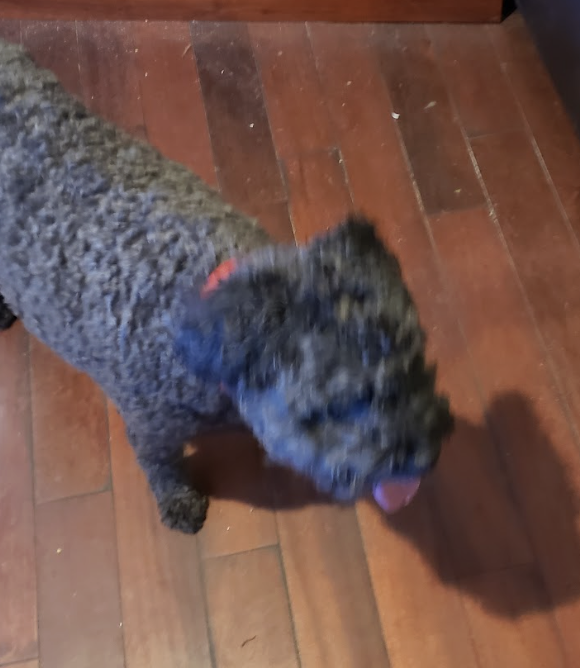
Family Photo of the Day: Puppette!
Want to help find lost pets?
Download our RoverAlert app to receive notifications of missing pets in your area.
We want to feature your pup!
We want to share your pup with our pack. Email us your favorite doggy pic or video with your pup’s name, and we'll try to feature it as a family photo in one of our upcoming newsletters or on our Facebook page.