
🐶❤️🐶 Why do some dog breeds grey faster than others? 🐶❤️🐶
In today's issue:
-Meet our dog of the day
-Enjoy a laugh with our dog meme of the day
-Get great information in our featured article
-Take our action of the week
-Check out our family photo of the day
Dog(s) of the Day:
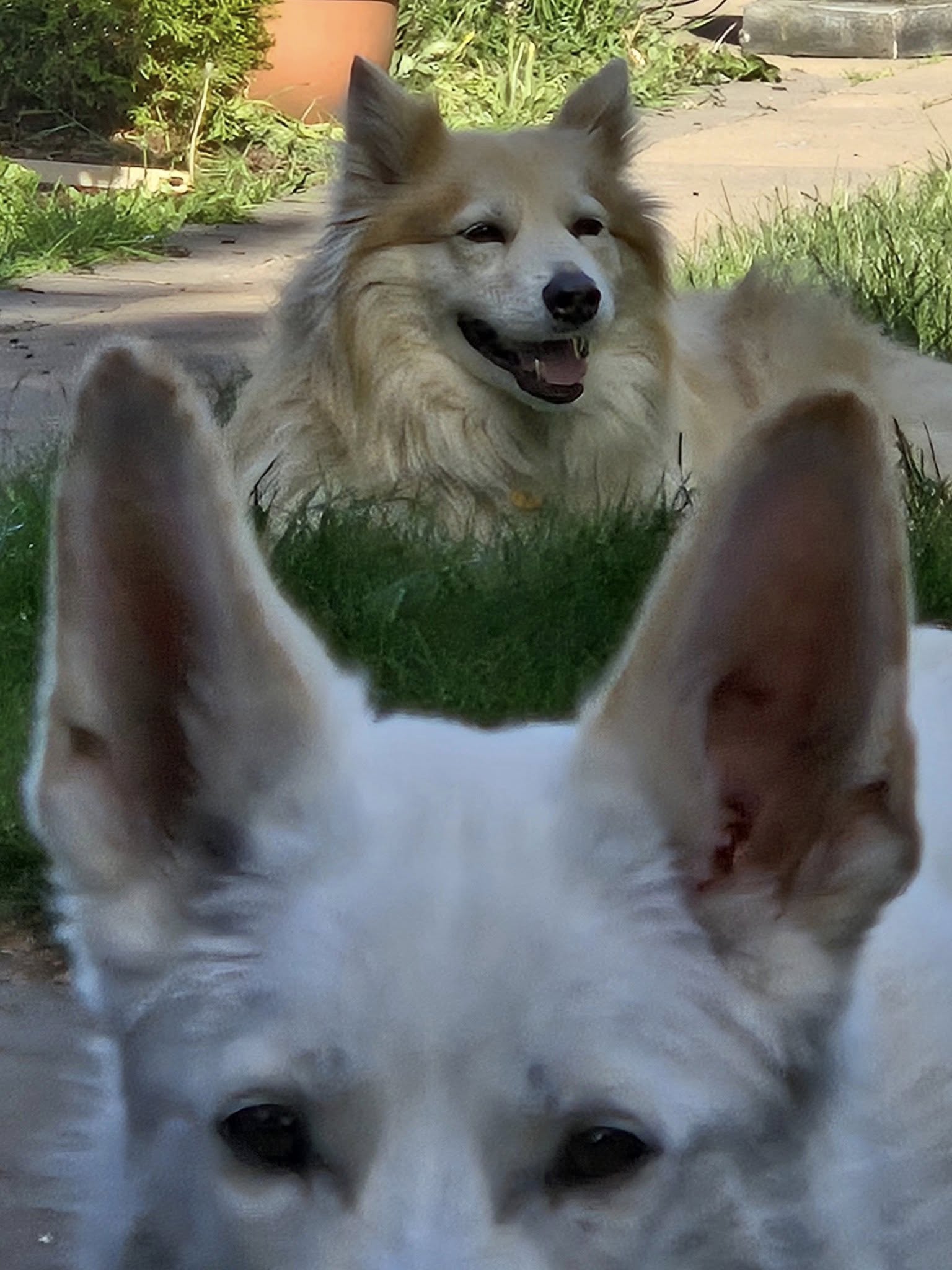
Want your pup to be featured here?
Join our Facebook group - Post Your Pooch!
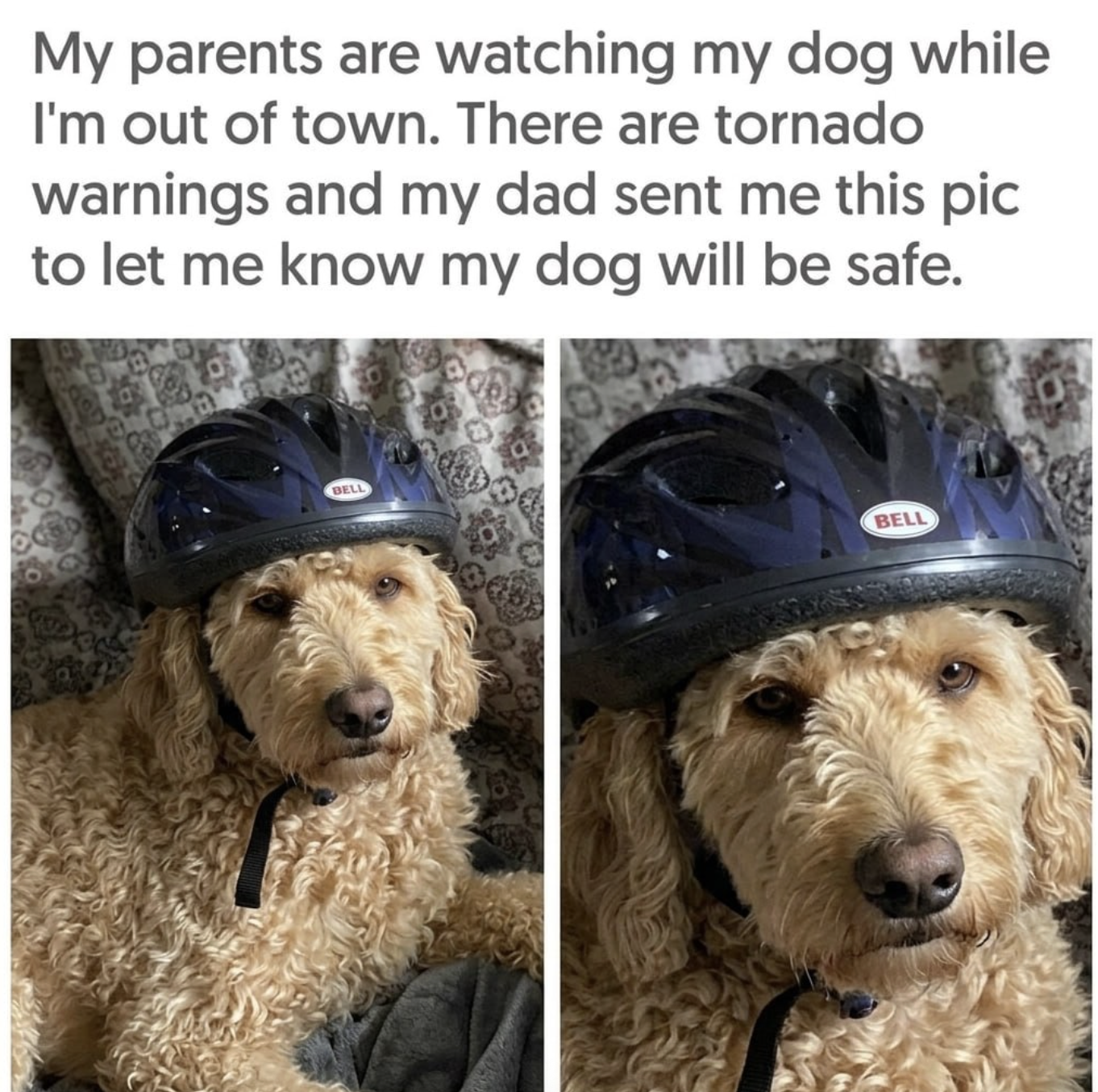
Meme of the day: The safest pup!
Great Companies Don’t Stay Under the Radar Forever
Most great stocks look boring at the moment they matter most.
They’re still grinding away outside the spotlight…
Still building scale…
And still ignored by the majority of investors.
That’s the window when a real long-term opportunity exists.
The original market leaders didn’t become obvious overnight.
They spent years executing quietly before anyone paid attention.
Our analysts believe a similar pattern is playing out again.
In These 7 Stocks Will Be Magnificent in 2026, we highlight companies that may look unremarkable today…
But you’ll soon see they all have the traits that historically define future market leaders.
Today, you can access the full list free - and see which “boring” companies could end up looking obvious in hindsight.
Why Some Pups Go Grey Ahead of the Pack
There is a distinct, bittersweet magic in watching a dog’s face change over the years. It starts as a dusting of sugar around the chin, slowly creeping up the muzzle and frosting the eyebrows. A frosty face is a badge of honor—a visual history of a life well-loved.
Yet, any multi-dog household or regular visitor to the dog park will notice a curious phenomenon: some dogs look like distinguished retirees by age four, while others carry their deep, youthful coat colors well into their double digits.

The Genetic Blueprint: The Progressive Greying Gene
The most straightforward reason for early silvering comes down to DNA. Some breeds carry what geneticists call the progressive greying gene (often linked to the G locus).
Dogs born with this dominant trait start producing normal coat colors as puppies, but as they grow, the gene systematically tells the hair follicles to reduce pigment production. It doesn't mean they are aging faster on the inside; their coat is simply programmed to fade.
This genetic quirk is why certain breeds are famous for their early silver transformations:
- The Wire-Haired and Curly Crews: Poodles, Bearded Collies, and Irish Wolfhounds are notorious for lightening rapidly within their first few years of life.
- The "Badged" Breeds: Boxer and Great Dane guardians frequently notice a striking silver mask developing by age three or four. Because their base coat colors are often rich fawns, brindles, or blacks, the contrasting white hairs stand out much sooner.
Size Matters (And So Does Lifespan)
It is a well-established fact of veterinary science that larger dogs age on a compressed timeline compared to toy and small breeds. A Great Dane enters their senior years around age six, while a Chihuahua is often just hitting their stride at nine.
Because their cellular clocks run faster, large and giant breeds tend to experience age-related greying much earlier. Their pigment-producing cells, called melanocytes, simply slow down production sooner to match their accelerated life stages.
The Emotional Factor: Anxiety and Impulsivity
Perhaps the most groundbreaking discovery in the science of the silver muzzle came from a study published in Applied Animal Behaviour Science. Researchers looked at hundreds of dogs between the ages of one and four and found a striking correlation between premature greying and a dog's psychological traits.
Just like humans who claim a stressful job gave them grey hair, dogs experience stress-induced silvering. The study revealed that dogs rated higher in anxiety and impulsivity were significantly more likely to go grey at a younger age.
What the Research Shows: Young dogs who exhibit high-strung behaviors—like разрушительное поведение when left alone, fear of loud noises, or jumping up frantically on people—frequently show advanced greying around the muzzle compared to their calmer peers.
When a dog experiences chronic stress or anxiety, the body releases cortisol and norepinephrine. Over time, this stress response can damage the stem cells that replenish hair pigment, leading to an early frosted look.
Embracing the Sugar Face
If your young dog is already looking a bit grandfatherly, take comfort in knowing that a silver muzzle is rarely a sign of poor health on its own. It is just a reflection of their unique genetic makeup, their breed heritage, and how they interact with the world around them.
Every silver hair is a testament to the days they’ve spent by your side—so wear that sugar face proudly.
|
|
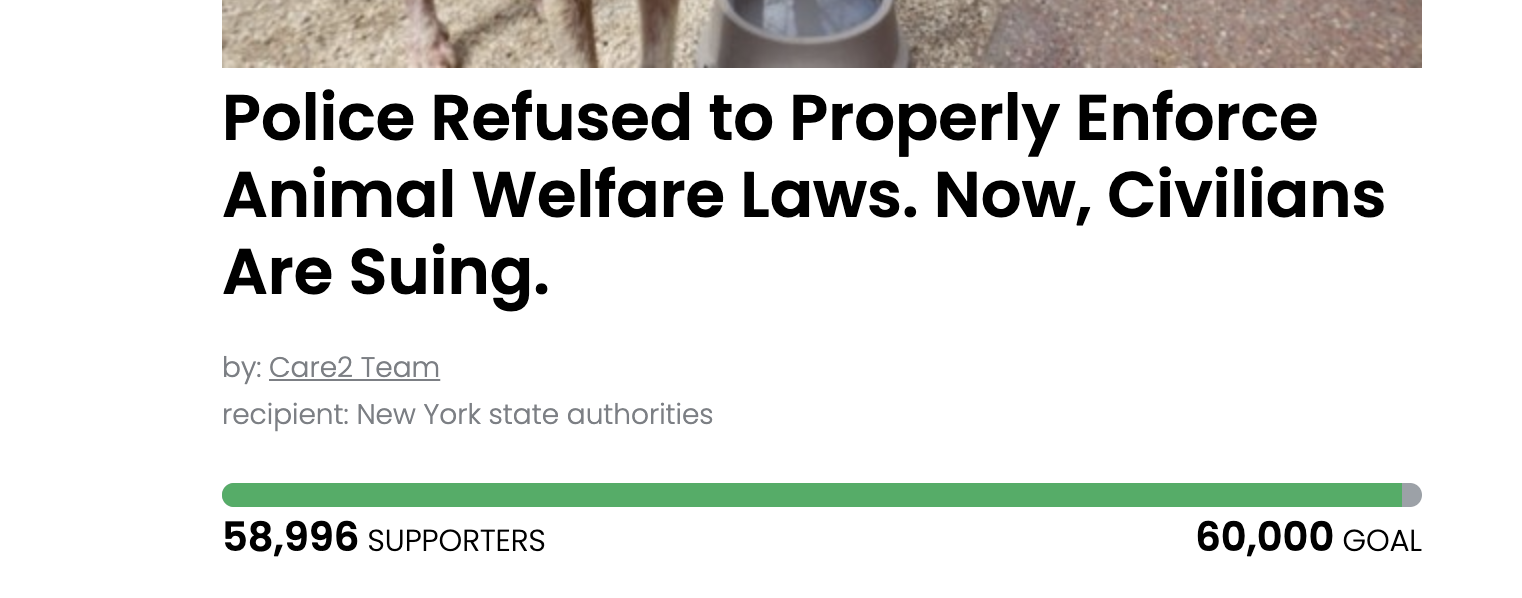
Take action for animals!
Protect the wild horses!
Dog Food and Supplement Recalls
Here are the recent recalls and advisories:
- Albright's Raw Pet Food - Chicken Recipe for Dogs: Potential Salmonella exposure
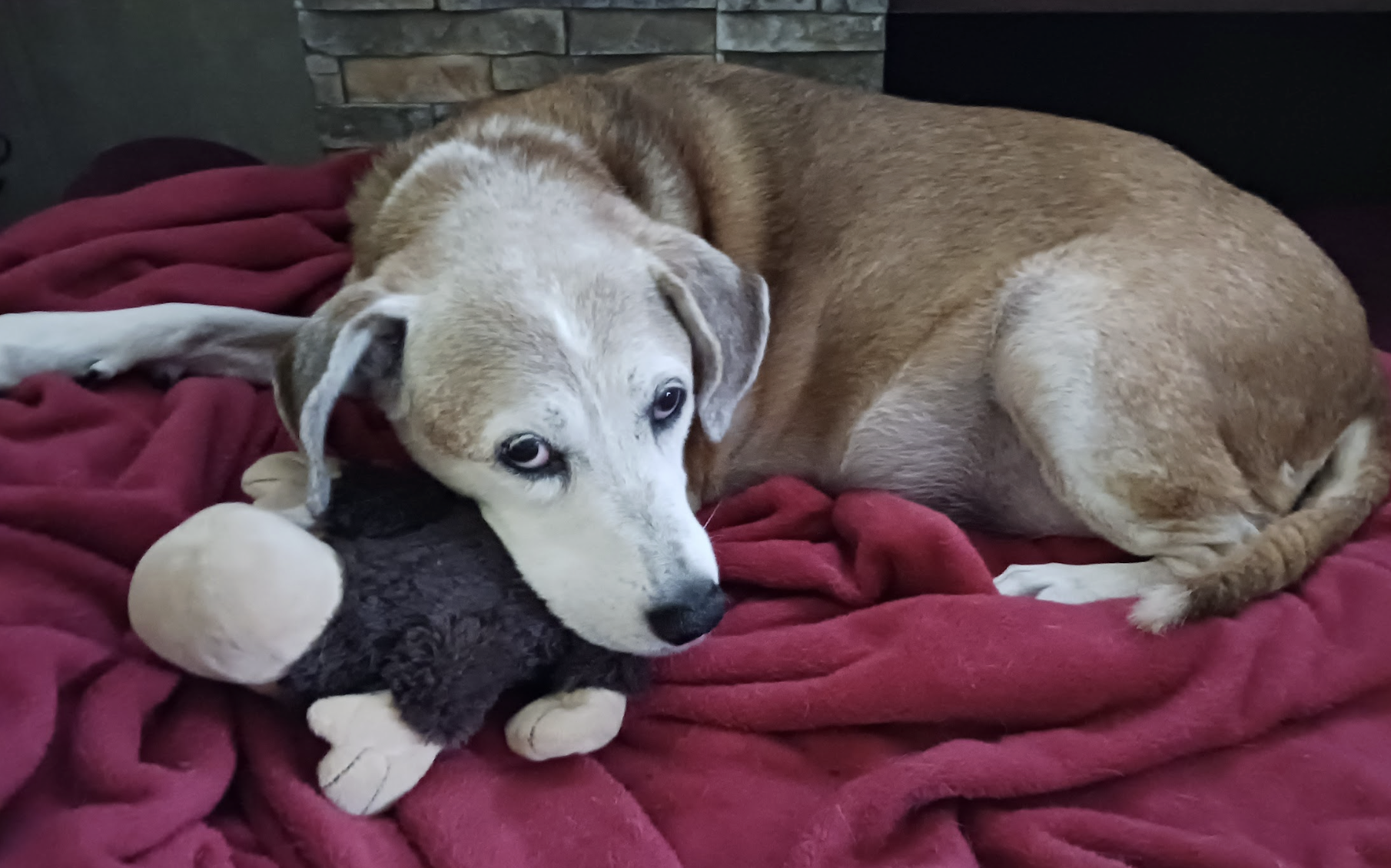
Family Photo of the Day:
Want to help find lost pets?
Download our RoverAlert app to receive notifications of missing pets in your area.
We want to feature your pup!
We want to share your pup with our pack. Email us your favorite doggy pic or video with your pup’s name, and we'll try to feature it as a family photo in one of our upcoming newsletters or on our Facebook page.
|
|