🐶❤️🐶 How much sleep do senior pups need? 🐶❤️🐶

In today's issue:
-Meet our dog of the day
-Enjoy a laugh with our dog meme of the day
-Get great information in our featured article
-Take our action of the week
-Check out our family photo of the day
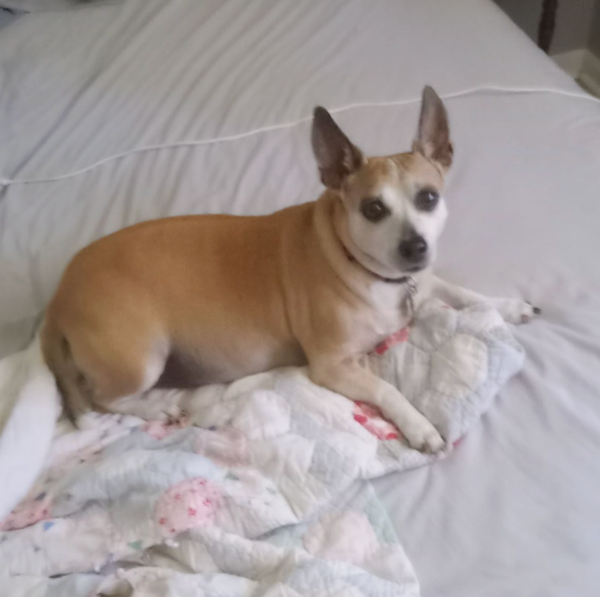
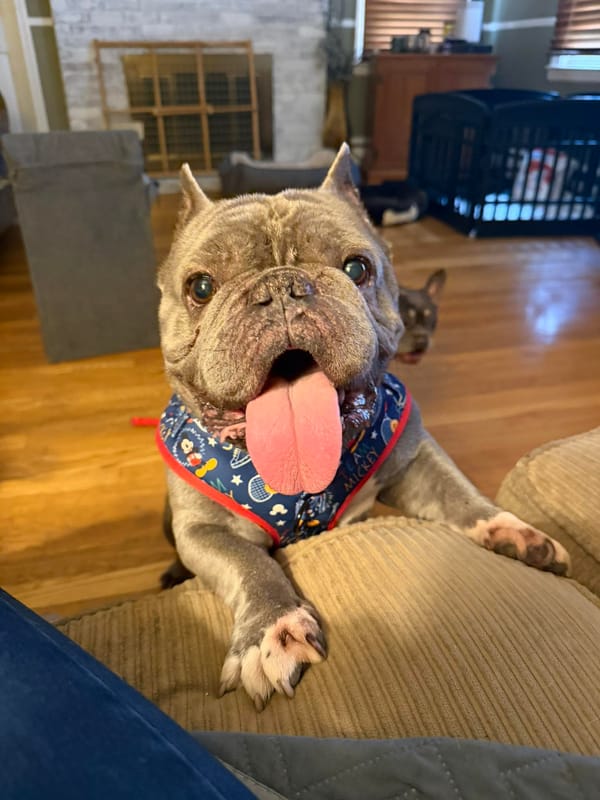
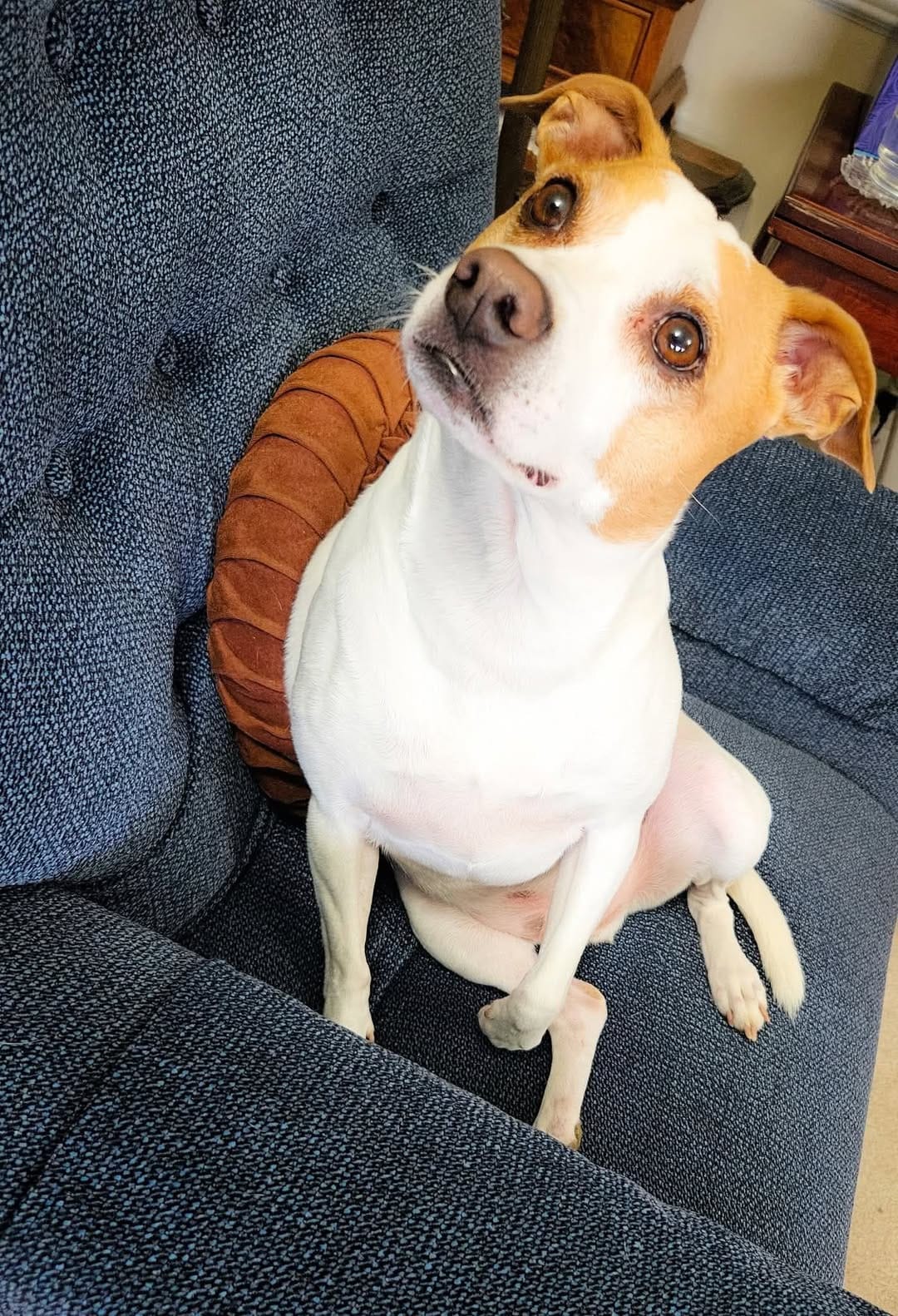
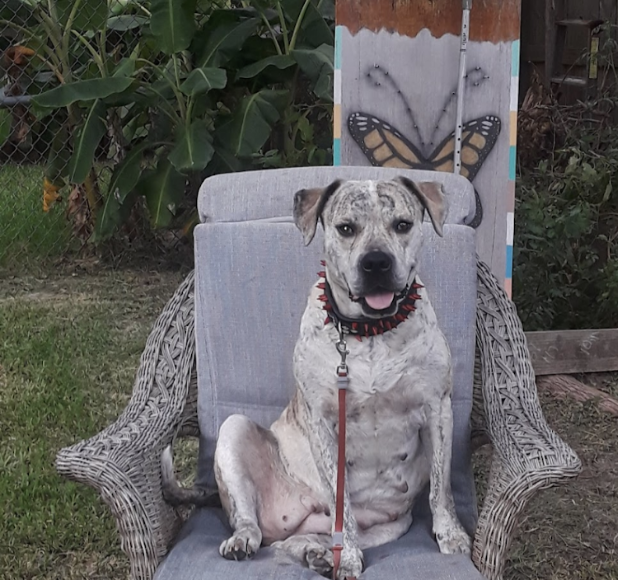
Dog(s) of the Day: Oliver!
Want your pup to be featured here?
Join our Facebook group - Post Your Pooch!
Meme of the day: If only!
Understanding Your Senior Dog’s Need for Extra Zzz’s
If you’ve noticed your once-energetic pup is now choosing the sunbeam on the rug over a game of fetch, you aren’t alone. Just like humans, as dogs enter their "golden years," their pace slows, their muzzle whitens, and their love affair with the nap deepens.
But how much sleep is too much? Understanding the shifting sleep patterns of senior dogs is key to ensuring they remain comfortable and healthy in their twilight years.

The New Normal: 18 to 20 Hours a Day
While an adult dog typically sleeps between 12 and 14 hours, senior dogs often clock in between 18 and 20 hours of rest per day.
This isn't necessarily laziness; it’s biology. As dogs age, their bodies require more time to recover from daily activities. Even a short walk around the block can feel like a marathon for an older pup, necessitating a long recovery snooze.
Why Are They Sleeping So Much?
Several factors contribute to the "sleepy senior" lifestyle:
- Reduced Energy Levels: Metabolism slows down, and the sheer effort of moving aging joints takes more out of them.
- Cognitive Changes: Much like us, dogs can experience "brain fog" as they age, making them more prone to drifting off.
- Health Conditions: Arthritis, heart disease, or kidney issues can make a dog feel more fatigued.
Creating the Ultimate Retirement Suite
Since your dog is spending the vast majority of their life resting, the quality of that rest matters. Here is how you can help:
| Feature | Why it Matters |
| Orthopedic Beds | Memory foam supports aching joints and prevents pressure sores. |
| Consistent Temperature | Older dogs struggle to regulate body heat; keep beds away from drafts. |
| Easy Access | Ensure their favorite sleeping spot doesn't require jumping or climbing. |
| Peace and Quiet | Place beds in low-traffic areas so they aren't constantly startled awake. |
When to Check in With the Vet
While extra napping is normal, some changes shouldn't be ignored. If your dog is "sleeping" but seems restless, pacing, or crying out in the middle of the night, it could be a sign of Canine Cognitive Dysfunction (CCD) or physical pain.
Pro Tip: Keep an eye on the quality of their sleep. If they are sleeping more but seem more exhausted when they are awake, it’s worth a quick trip to the vet to rule out underlying issues like anemia or thyroid problems.
The Bottom Line
Embrace this slower season of life. Those extra hours of sleep are your dog’s way of recharging so they can enjoy the moments they are awake with you. So, next time you see them dreaming and twitching their paws in their sleep, pull up a chair, grab a book, and enjoy the quiet companionship. They’ve earned every single one of those Zzz's.
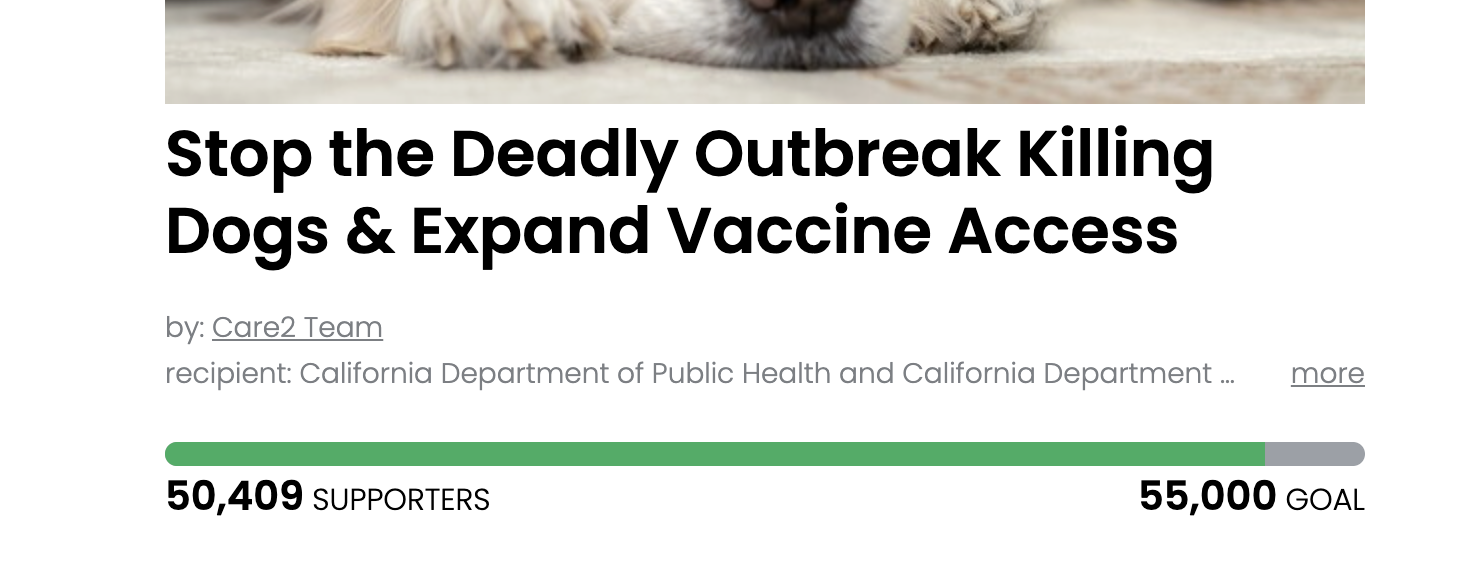
Action of the Week: Protect Dogs From Lepto
(Petition description may be disturbing)
Dog Food and Supplement Recalls
Here are the recent recalls and advisories:
- Bonnihill Farms (Fromm Family Foods) - BeefiBowls Beef Recipe gently cooked frozen dog food, 16 oz. chubs for potential plastic contamination
- Foodynamics - Freeze Dried Pet Treats for potential Salmonella contamination.
- Nature’s Own - Pet Chews Bully Bites Treats for potential Salmonella contamination.
Family Photo of the Day: Sparky!
Want to help find lost pets?
Download our RoverAlert app to receive notifications of missing pets in your area.
We want to feature your pup!
We want to share your pup with our pack. Email us your favorite doggy pic or video with your pup’s name, and we'll try to feature it as a family photo in one of our upcoming newsletters or on our Facebook page.