
🐶❤️🐶 How are service dogs trained for work? 🐶❤️🐶
In today's issue:
-Meet our adoptable dog of the day
-Enjoy a laugh with our dog meme of the day
-Get great information in our featured article
-Take our action of the week
-Check out our family photo of the day
Adoptable Dog(s) of the Day: Dumplin!
12-year-old lovable blind pup in need of a forever home from Muttville Senior Dog Rescue in San Francisco, California

Want your pup to be featured here?
Join our Facebook group - Post Your Pooch!
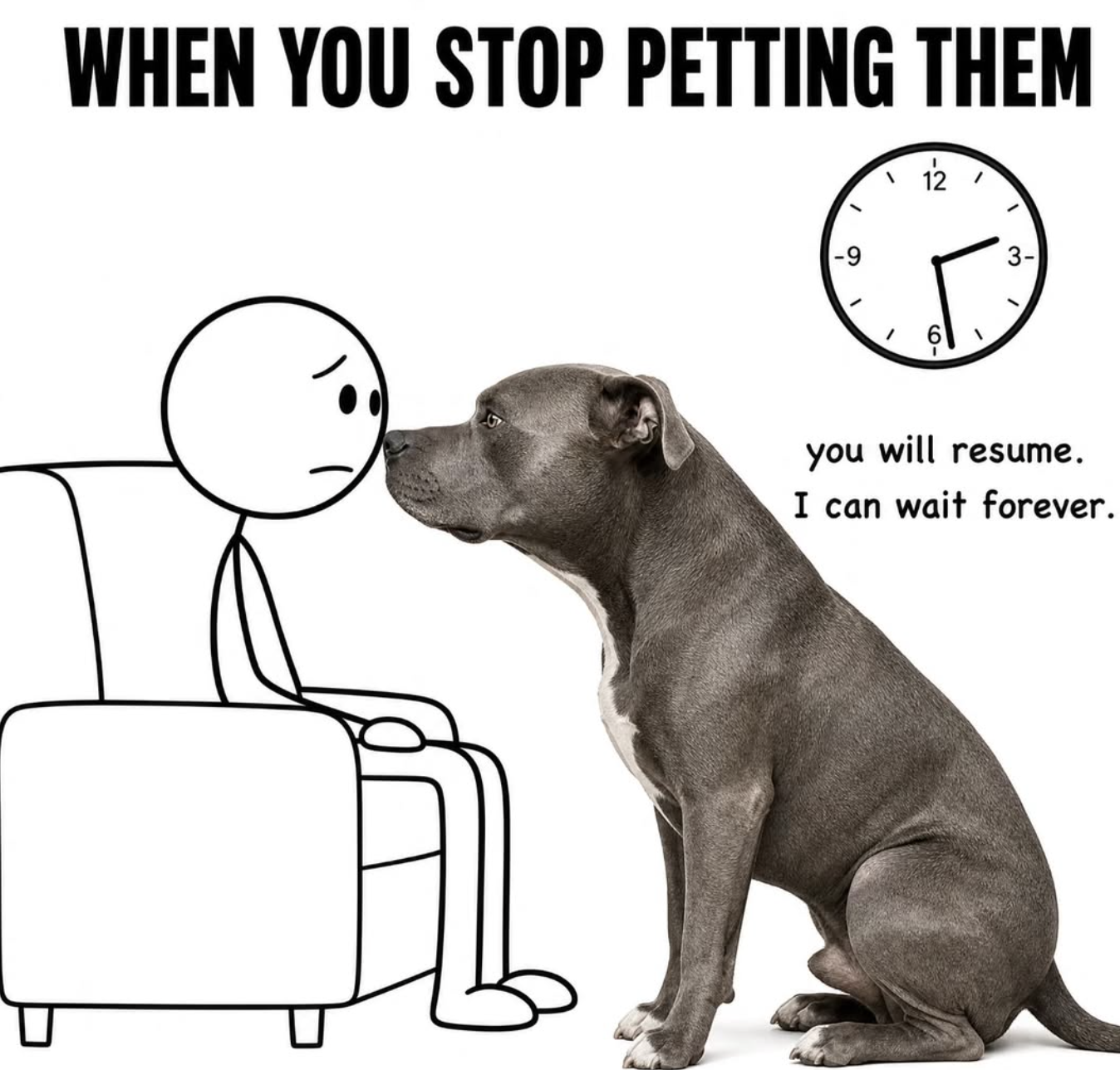
Meme of the day: Silly pup!
Americans Born Between 1941-1979 Can Receive These 10 Benefits This Month
Your 50s+ are a great time to build wealth. Beyond basics like bulk shopping and retirement accounts, here are some fresh ways to grow your money you might’ve missed.
The Extraordinary Journey of Crafting a Service Dog
In honor of Labor Day, we wanted to take a look at the journey of hard-working service pups! When you spot a service dog gliding calmly through a crowded airport terminal or settling quietly under a bustling restaurant table, it is easy to view them as natural marvels. They seem to be canines born with an innate sense of duty and serene grace. But beneath that crisp working vest lies a story of immense patience, hundreds of hours of heartbreak and triumph, and a multi-year labor of love.
It takes 18 to 24 months, costs tens of thousands of dollars, and relies on an entire community of passionate trainers, puppy raisers, and veterinarians to get service pups trained for their important work.

Genes and Temperament
The journey begins long before a puppy opens its eyes. Service dog organizations carefully evaluate litters for very specific traits: low reactivity, high focus, intelligence, and an eagerness to connect with humans.
Even with careful breeding, not every puppy has what it takes. A candidate must possess a unique balance—curious enough to learn complex tasks, yet confident enough not to panic when a metal tray clatters to the floor in a grocery store. From their very first weeks, these puppies undergo gentle temperament assessments to ensure they have the emotional resilience required for a working life.
Puppy Raising: Building the Foundation
Between eight weeks and eighteen months old, puppies typically live with volunteer puppy raisers—unsung heroes who open their homes to teach basic manners and offer a world of exposure.
During this phase, "training" happens in micro-sessions integrated into everyday life. Puppy raisers take their young charges everywhere:
- Conquering Surfaces: Learning to walk confidently over slick tile, metal grates, glass bridges, and moving escalators.
- Navigating Distractions: Practicing steady focus amidst rolling luggage, crying toddlers, sirens, and dropped food.
- Mastering the "Settle": Teaching an energetic pup that when the vest goes on, their job is to lie quietly for up to ninety minutes without soliciting attention from strangers.
It requires endless patience to gently redirect an adolescent retriever who would rather chase a pigeon than practice loose-leash walking.
Formal Task Training: The Art of Life-Saving Skills
Once a dog reaches physical and mental maturity, they enter formal professional training to master specific, disability-mitigating tasks. This is where science meets heart.
Trainers spend 120 to 300+ hours shaping intricate behaviors tailored to a future handler's specific needs:
- Medical Alerts: Dogs trained for diabetic alert or seizure detection learn to recognize subtle biochemical scent shifts in human breath or sweat, alerting their handler up to 20 minutes before a medical crisis occurs.
- Psychiatric Support: Dogs learn to detect physiological spikes in cortisol or heart rate to interrupt panic attacks, create physical buffer space in crowds, or provide grounding deep-pressure therapy.
- Mobility & Guide Work: Dogs learn to retrieve dropped keys, press automatic door buttons, haul heavy wheelchairs, or navigate around obstacles for handlers with visual impairments.
Every task is broken down into micro-steps using positive reinforcement. A task as simple as "get medicine from the fridge" involves learning to pull a rope attached to the handle, locate a specific container inside, shut the door with a nose nudge, and deliver the bottle gently without puncturing it.
The Crucible: Public Access and Proofing
A dog might execute a task perfectly in a quiet living room, but can they do it under the blaring speakers of a stadium or in the middle of a crowded subway car?
This phase, known as "proofing," tests the dog's ability to focus despite extreme real-world distractions. Trainers spend months taking dogs into high-stress environments—airports, hospitals, busy restaurants, and outdoor festivals—ensuring the dog's focus remains 100% on their handler, no matter what happens around them.
Only about 50% to 60% of candidate dogs ultimately pass these rigorous standards. Those who "wash out" due to slight anxiety or a fondness for chasing squirrels are not failures; they simply step down to become beloved pets or therapy dogs, while only the elite proceed to graduation.
Team Matching and Transfer
The final chapter is perhaps the most touching: matching the right dog to the right human.
The new handler spends weeks in intensive team training, learning how to read their dog’s subtle body language, deliver cues accurately, and maintain the dog's training for years to come. When a match succeeds, the transformation is immediate. A person who previously felt trapped by an invisible illness or physical limitation gains newfound independence, backed by four paws and an unwavering heart.
The next time you see a service dog focused intently on their handler, take a moment to appreciate the invisible thread connecting them. Behind that quiet composure are thousands of hours of effort, unwavering devotion, and a bond forged through one of the most remarkable training journeys in the world.
|
|
Take action for animals!
Demand justice for Milo!
*petition description may be disturbing

Dog Food and Supplement Recalls
Here are the recent recalls and advisories:
- Northwest Naturals - Chicken Recipe: Potential Salmonella and/or Listeria Monocytogenes Contamination
- Fromm - Wet Canned Dog Food: Potential Metal Contamination
- Oma's Pride - Canine Food: Contaminated with Salmonella
- Pedigree - High Protein Chopped Chicken & Duck Flavor Wet Dog Food: Potential Plastic Contaminants
- Steve's Real Food - Freeze-Dried Chicken Recipe Cat and Dog Food: Possible Low Thiamine Levels (B1)
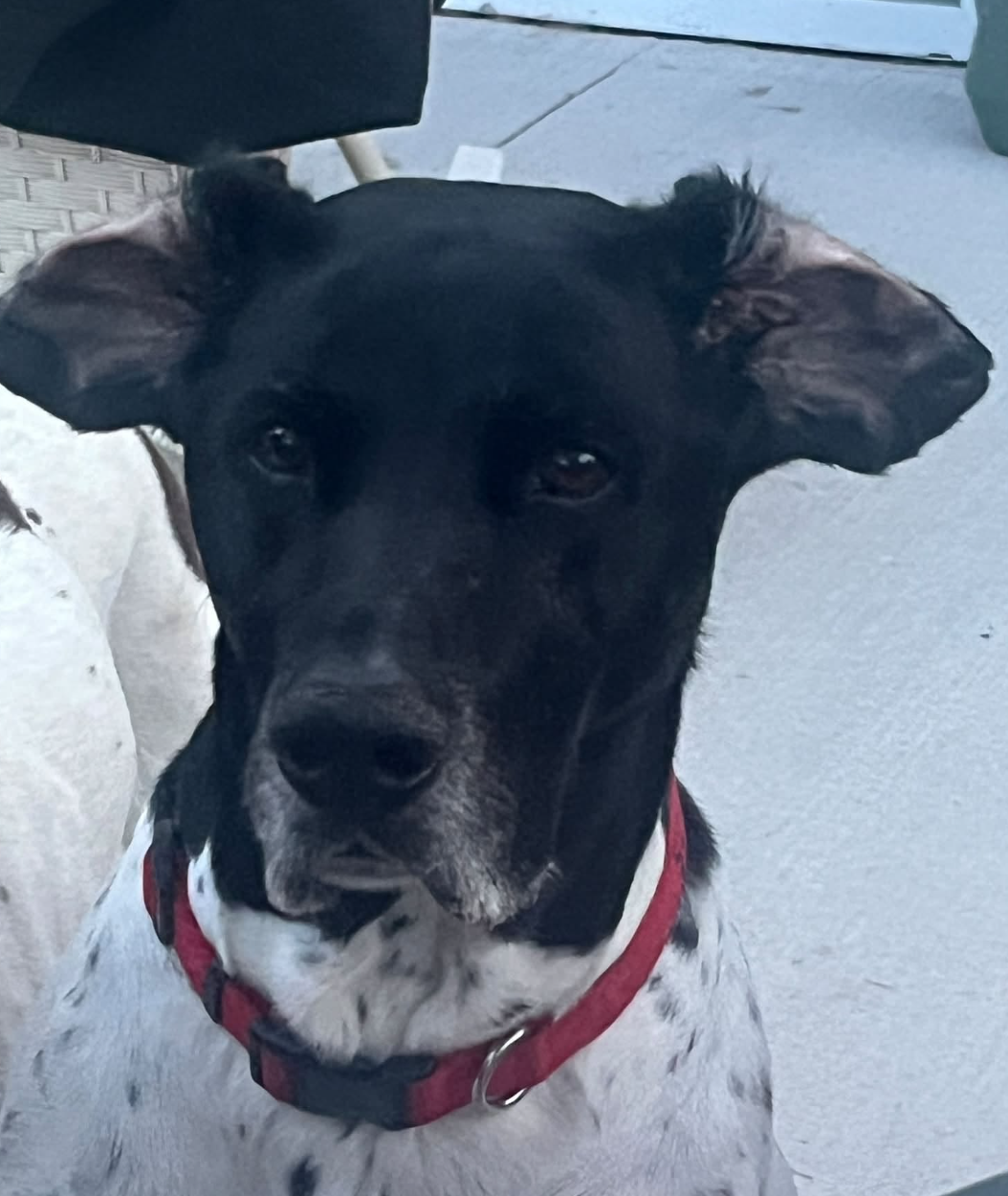
Family Photo of the Day:
Want to help find lost pets?
Download our RoverAlert app to receive notifications of missing pets in your area.
We want to feature your pup!
We want to share your pup with our pack. Email us your favorite doggy pic or video with your pup’s name, and we'll try to feature it as a family photo in one of our upcoming newsletters or on our Facebook page.
|
|